How to effectively simplify complex game mechanics in beginner guides?
The Art of Clarity: Making Complex Game Mechanics Accessible
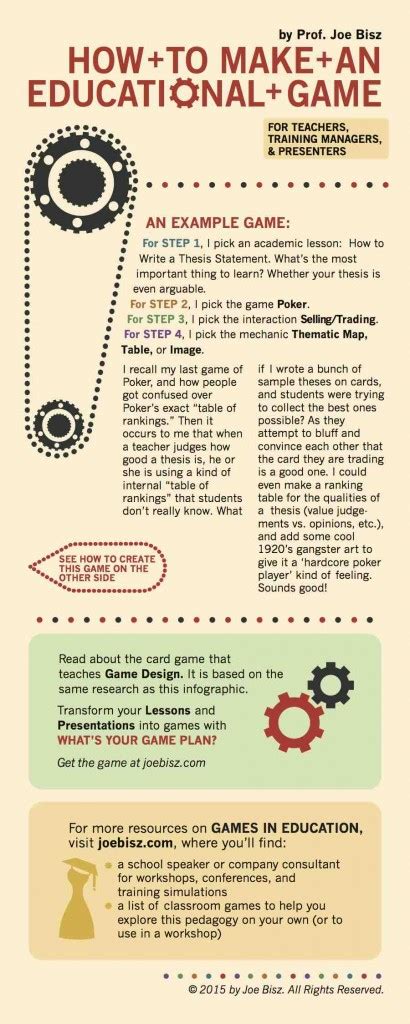
For many newcomers, the biggest barrier to entry in a new game isn’t skill, but understanding. Complex game mechanics, while rewarding for veterans, can be an impenetrable wall for beginners. Crafting an effective beginner guide requires more than just listing features; it demands a strategic approach to simplification. The goal isn’t to dumb down the game, but to illuminate its core systems in a way that builds confidence and encourages deeper exploration.

1. Break Down into Bite-Sized Chunks
The human brain can only process so much information at once. Instead of presenting a massive wall of text detailing every nuance of a mechanic, dissect it into its fundamental components. Explain each part individually before showing how they connect. For instance, if a game has a complex crafting system, first explain resource gathering, then blueprint acquisition, then the crafting interface, and finally how different components influence the final product. Each step should feel manageable and build upon the last.
Use headings, bullet points, and numbered lists to visually separate information. This not only makes the guide easier to read but also helps players mentally compartmentalize the information, making it less daunting to digest.
2. Use Clear, Concise Language and Avoid Jargon
It’s tempting to use in-game terminology, but beginner guides should prioritize clarity. If a specific term is essential, introduce it clearly and define it immediately. Otherwise, rephrase complex jargon into plain English. For example, instead of “optimize your DPS rotation,” say “learn the best sequence of abilities to deal the most damage.” Assume the reader knows nothing about the game’s specific lexicon.
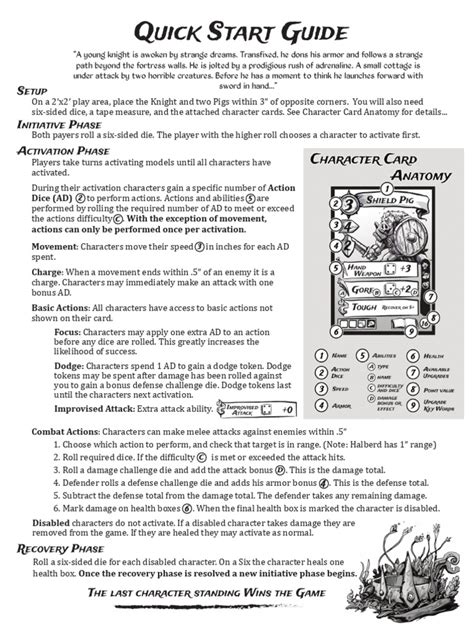
Keep sentences short and to the point. Eliminate unnecessary adjectives and adverbs. Every word should serve a purpose: to inform and clarify. Long, convoluted sentences are a common pitfall that can quickly overwhelm new players.
3. Leverage Visual Aids Effectively
A picture is worth a thousand words, especially in game guides. Screenshots, diagrams, flowcharts, or even short animated GIFs can convey information far more efficiently than text alone. Want to explain an intricate UI element? Show a screenshot with arrows pointing to key areas. Need to illustrate a complex combat rotation? A flowchart or a series of numbered screenshots can be invaluable. Visuals break up text, make information more digestible, and cater to different learning styles.
Ensure that all visuals are clear, high-resolution, and directly relevant to the text they accompany. Label them appropriately so players understand what they are looking at.
4. Provide Practical Examples and Scenarios
Abstract explanations often fall flat. New players learn best by doing or by understanding how a mechanic applies in a real-world game scenario. Instead of just explaining what “aggro” is, provide an example: “If you deal too much damage as a squishy mage, the boss might switch its attention (aggro) from the tank to you, leading to your quick demise.”
Offer actionable advice. Show players how to use the mechanic, not just what it is. Include “what if” scenarios or common mistakes to help them anticipate challenges and understand the implications of their actions within the game’s systems.

5. Employ Progressive Disclosure
Don’t dump all information at once. Introduce core mechanics first, ensure the player understands them, and then gradually introduce more advanced layers. This mirrors good game design, which often teaches players mechanics incrementally. A beginner guide should reflect this philosophy. Start with “what you absolutely need to know to get started,” then offer “intermediate tips,” and finally “advanced strategies.”
This approach allows players to build a foundational understanding before tackling complexity. It prevents information overload and fosters a sense of accomplishment as they master each new layer.

6. Focus on “Why” as Much as “How”
Understanding the purpose behind a mechanic can greatly aid comprehension and retention. Explaining why a particular system exists or what problem it solves for the player makes it more relevant and easier to remember. For example, instead of just saying “upgrade your gear,” explain why it’s important (“to increase your damage and survivability for tougher challenges”). This contextual understanding transforms a rote instruction into meaningful knowledge.
Conclusion
Simplifying complex game mechanics in beginner guides is a delicate balance of clarity, conciseness, and empathy for the new player experience. By breaking down information, using clear language and visuals, providing practical examples, and employing progressive disclosure, guide creators can transform potentially frustrating learning curves into engaging and empowering journeys. A well-crafted beginner guide doesn’t just explain a game; it opens the door to a new world for eager players.