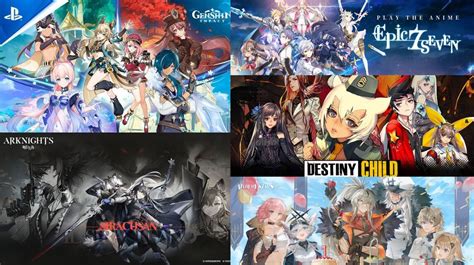
How to determine if a new F2P gacha game offers fair progression without spending?

In the vast and ever-growing landscape of free-to-play (F2P) gacha games, finding one that offers genuinely fair progression without requiring a financial investment can feel like searching for a needle in a haystack. Many games are designed to entice spending, making it challenging for F2P players to keep pace or even enjoy the core content. However, not all gacha games are created equal. By knowing what to look for, you can identify titles that respect your time and offer a rewarding experience even if you choose never to open your wallet.
Understanding the F2P Gacha Economy
A gacha game’s economy is its lifeblood, and its fairness to F2P players hinges on how generously it dispenses critical resources. The first step is to scrutinize the premium currency generation. How much can you earn through daily quests, story progression, events, and other in-game activities? A healthy F2P economy will provide enough premium currency to make a significant number of pulls on gacha banners over a reasonable period, typically allowing for at least one “pity” pull (guaranteed rare unit/item after a certain number of attempts) per major update cycle.
Beyond premium currency, assess the availability of essential upgrade materials, character shards, and energy. If basic progression hits a severe bottleneck early on, demanding purchases to continue, it’s a red flag. Look for a robust system of daily rewards, achievement milestones, and recurring events that consistently supply these necessities.
Gacha Mechanics and Pity Systems
The core gacha mechanic itself is a crucial indicator. Are the pull rates for desired characters or items transparent? While low rates are standard in gacha, a well-designed F2P game will compensate with accessible pity systems. This means a guaranteed rare item after X pulls. Crucially, check if these pity counters reset frequently or carry over between banners, and if F2P earned currency contributes fully to them. Games that offer “soft pity” (increased rates as you approach the pity threshold) or non-resetting pity systems are generally more F2P-friendly.
Also, look for alternative ways to acquire desired units or items, such as in-game shops where premium units can be purchased with currency earned solely through gameplay, or through limited-time event exchanges that are achievable for non-spenders.

Event Accessibility and Rewards
Events are the bread and butter of ongoing engagement in gacha games, and their design can heavily favor or disfavor F2P players. A fair F2P game will design its events so that non-spending players can complete the majority, if not all, of the content and earn a significant portion of the rewards. This means event difficulty should scale reasonably, and the amount of “energy” or “tickets” required to participate should be earnable through normal gameplay without purchasing refills.
Beware of events that demand specific new gacha units for bonus rewards, especially if those units are difficult or impossible for F2P players to acquire. While some bonus units are acceptable, the core rewards should always be attainable. Look for games where event shops allow you to acquire valuable items, including potentially gacha-exclusive characters or equipment, simply by playing diligently.

Power Scaling and Content Progression
One of the biggest concerns for F2P players is hitting a “pay wall” where progression stalls unless money is spent to boost power. Observe the power curve: does it feel like you’re constantly falling behind, or can you keep up with the main story and most side content by optimizing your free resources and units? A fair game allows skillful play and strategic team building to overcome power disparities, at least in PvE content.
In competitive modes like PvP, expect spenders to have an advantage. However, a good F2P game will either segregate players into different competitive tiers, offer separate F2P-friendly leaderboards, or provide generous enough rewards in lower tiers to make participation worthwhile for everyone. If PvP is heavily gatekept by whale-exclusive units, and it’s a core part of the game’s reward structure, it’s less F2P-friendly.
Community Insights and Developer Transparency
Before investing significant time, tap into the community. Reddit, Discord servers, and YouTube channels dedicated to the game are invaluable resources. Look for early player reviews and discussions about the game’s F2P viability. Are veteran F2P players still active and vocal? Do they feel respected by the developers?
Developer communication is also key. Are they transparent about future updates, balance changes, and monetization strategies? Do they listen to community feedback, especially from the F2P segment? Developers who genuinely care about their entire player base, not just the whales, tend to create more balanced and sustainable F2P experiences. A track record of addressing F2P concerns is a strong positive indicator.

Conclusion: Play Smart, Not Hard (on your wallet)
Determining a new F2P gacha game’s fairness without spending requires a discerning eye and a bit of investigative work. By focusing on premium currency generation, robust pity systems, accessible events, manageable power scaling, and positive community sentiment, you can confidently identify games that offer a rewarding and sustainable experience for the free-to-play enthusiast. Remember to play for a week or two yourself to get a personal feel, as ultimately, your enjoyment is the most crucial metric. Don’t be afraid to walk away from games designed purely to drain your wallet.