How to create engaging beginner guides without overwhelming new players?

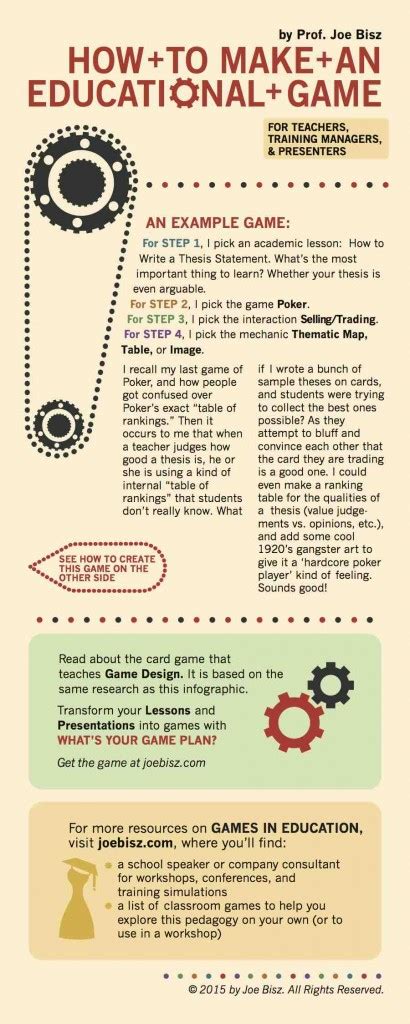
Creating an effective beginner guide is a delicate balancing act. You want to introduce new players to your game’s world and mechanics without drowning them in a deluge of information. The goal is to onboard them smoothly, foster a sense of accomplishment, and encourage them to explore further, rather than feeling overwhelmed and quitting.
Understand Your Audience and Their Starting Point
Before you even begin writing, consider who your new players are. Are they seasoned gamers familiar with similar genres, or complete novices? What prior knowledge can you assume? Identifying their likely pain points and potential areas of confusion will help you tailor your guide’s tone, depth, and pace. A guide for a complex strategy game will differ significantly from one for a casual puzzle game.
Prioritize Core Mechanics and Progressive Disclosure
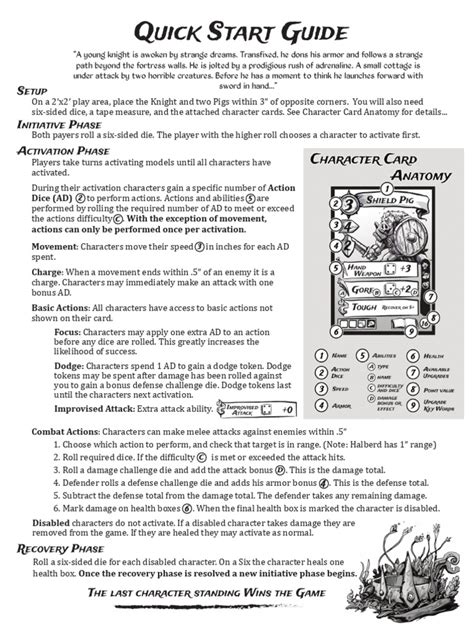
The biggest mistake is trying to teach everything at once. Identify the absolute core mechanics necessary for a player to complete their first few objectives or interact meaningfully with the game world. Introduce these concepts one by one, building complexity gradually. This “progressive disclosure” approach ensures players master foundational skills before moving on to more advanced ones, preventing cognitive overload.
Leverage Visuals, Interactivity, and Examples
Show, don’t just tell. Static text explanations can be difficult to absorb. Utilize clear screenshots, short video clips, animated GIFs, or interactive tutorial segments that guide players step-by-step through actions. Use highlighted UI elements, distinct markers, and clear on-screen prompts. Real-time examples where players immediately apply what they’ve learned are far more effective than abstract descriptions.
Keep It Concise and Allow for Revisit/Skip Options
Break down your guide into small, digestible chunks. Each section should ideally focus on one concept. Furthermore, acknowledge that not all players learn at the same pace or in the same way. Provide options for players to skip introductory sections if they feel confident, and easily revisit specific topics later. A well-organized table of contents or in-game glossary can be invaluable for self-paced learning.
Provide Context and Reward Early Progress
Don’t just explain how to do something; explain why it’s important. Giving context helps players understand the relevance of what they’re learning to the overall game experience. Additionally, reward early progress. Small achievements, a quick congratulatory message, or unlocking a new ability after completing a tutorial segment can provide positive reinforcement, making the learning process feel rewarding rather than a chore.

Test, Iterate, and Gather Feedback Relentlessly
The best guide is one that has been thoroughly tested with actual new players. Conduct playtests, observe where players get stuck, what confuses them, and what they intuitively understand. Don’t be afraid to iterate based on feedback. What seems obvious to you, the creator, might be completely opaque to someone experiencing your game for the first time. Use analytics to track tutorial completion rates and drop-off points.

Conclusion: Empowering Players for a Lasting Experience
An engaging beginner guide isn’t just about teaching mechanics; it’s about empowering new players to feel capable and excited about the journey ahead. By understanding your audience, prioritizing core concepts, utilizing effective visuals, and continuously refining your approach through testing, you can create an onboarding experience that not only prevents overwhelm but also sets the stage for a deep and lasting player connection with your game.