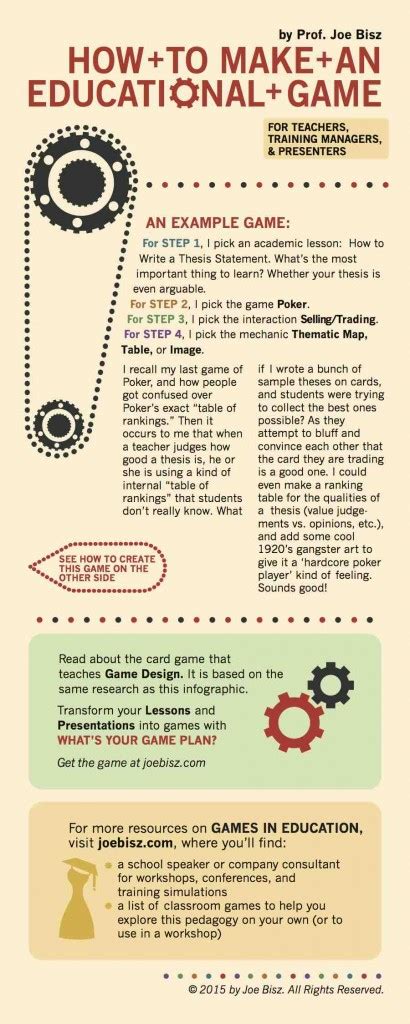
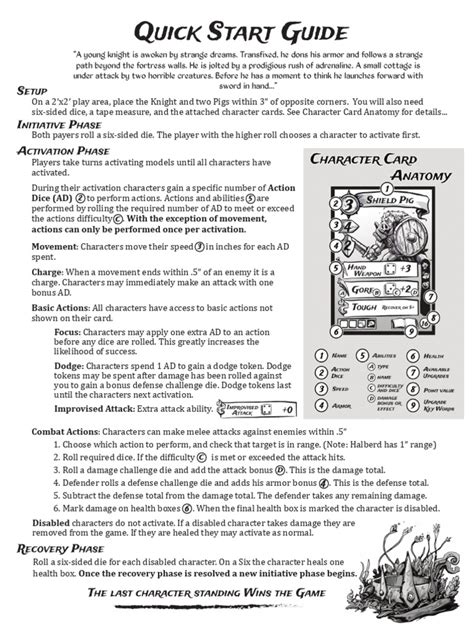
How to create beginner game guides that avoid overwhelming new players with info?
The Challenge of Onboarding New Players
New players often jump into games with a mix of excitement and trepidation. Modern games, especially those with deep mechanics or intricate worlds, can be incredibly daunting for a novice. A poorly structured guide, one that dumps a massive amount of information on them upfront, can quickly turn excitement into frustration, leading to early player dropout. The goal of a beginner guide isn’t to teach everything, but to provide a foundational understanding that empowers players to learn more on their own.
To avoid overwhelming new players, your game guides need to be strategically designed. This means moving beyond simply listing features and focusing on a pedagogical approach that anticipates common struggles and offers clear, concise solutions.

Prioritize Core Mechanics and Immediate Goals
The first step in creating an effective beginner guide is to ruthlessly prioritize information. New players don’t need to know every single nuance of the game; they need to know how to play, what their immediate objectives are, and how to achieve them. Focus on the absolute essentials: movement, basic combat (if applicable), core interaction mechanics, and the first few quests or objectives. Resist the urge to explain advanced strategies or end-game content at this stage.
Think about the player’s journey in the first 30-60 minutes of gameplay. What information do they absolutely need to progress without feeling lost? What are the biggest hurdles they might encounter? Structure your guide around answering these critical questions first, and save the deeper dives for later sections or separate, more advanced guides.
Break Down Information into Digestible Chunks
Large blocks of text are intimidating. Instead, break down complex topics into smaller, more manageable sections. Use headings, subheadings, bullet points, and numbered lists to organize content clearly. Each section or paragraph should ideally focus on a single concept or action. This makes the guide scannable, allowing players to quickly find the information they need without wading through irrelevant details.
Consider using a progressive disclosure model: introduce a concept, explain its immediate relevance, and then provide a simple example. Avoid cross-referencing too many topics too early; allow players to grasp one concept before moving on to the next. This layered approach builds understanding gradually.

Leverage Visuals, Screenshots, and Simple Language
A picture is worth a thousand words, especially in game guides. Screenshots, diagrams, and short video clips can illustrate concepts far more effectively than text alone. Show players what buttons to press, what items to look for, or where to go on a map. Annotate screenshots with arrows or circles to highlight key elements. Ensure your visuals are clear, well-labeled, and directly relevant to the accompanying text.
Furthermore, use simple, straightforward language. Avoid jargon or game-specific slang unless you’ve clearly defined it first. Write in an encouraging, friendly tone that makes new players feel capable, not stupid. Imagine explaining the game to a friend who has never played before – what language would you use?
Focus on Actionable Steps and Practical Application
Beginner guides should be less about theoretical knowledge and more about practical application. Frame your advice as actionable steps. Instead of saying, “Inventory management is important,” say, “Press ‘I’ to open your inventory. Drag and drop items to equip them.” Provide clear instructions that players can immediately replicate in the game.
Encourage players to try things out themselves. A good guide doesn’t just tell; it shows and then prompts players to do. Incorporate mini-challenges or suggestions for practice within the guide itself. For instance, after explaining basic combat, suggest they try fighting a specific, low-level enemy to practice their new skills.
Encourage Exploration and Self-Discovery
While guides are essential, a truly great beginner experience leaves room for players to explore and discover things on their own. Avoid spoiling too much or holding their hand excessively. Once the core mechanics are understood, gently nudge them towards experimentation. Suggest areas to explore, different strategies to try, or optional content that will deepen their understanding without being mandatory for progression.
A well-crafted beginner guide builds confidence, not dependency. It equips new players with the tools they need to navigate the early game and fosters a sense of curiosity that encourages them to delve deeper into the game’s complexities at their own pace.
Conclusion: Guiding, Not Dictating
Creating beginner game guides that avoid overwhelming new players is an art form. It requires empathy for the new player experience, meticulous organization, and a commitment to clarity. By prioritizing essential information, chunking content, leveraging visuals, and focusing on actionable steps, you can transform a daunting learning curve into an enjoyable journey of discovery. Remember, your goal is to guide players into the game, not to dictate their every move, allowing them to build confidence and develop their own mastery.