How to create a beginner guide that helps new players overcome early game frustration?

Entering a new game world can be exhilarating, but for many, it quickly turns into a frustrating experience. The “early game wall” is a common phenomenon where new players feel overwhelmed, lost, or inadequately equipped to grasp core mechanics, leading to early abandonment. As creators or community members, our goal should be to build bridges, not walls, especially for those just starting out. A well-crafted beginner guide isn’t just helpful; it’s essential for player retention and fostering a welcoming community.
Understanding the New Player Mindset
Before you can guide effectively, you must first understand the perspective of a brand-new player. They lack context, jargon is alien, and even seemingly simple tasks can feel daunting. Common pain points include confusing UIs, overwhelming quest logs, unexplained mechanics, and a lack of clear direction on “what to do next.” Empathy is your most powerful tool here. Think back to your own first hours with a complex game, or even better, observe a complete novice playing your game for the first time.

Core Principles for an Effective Beginner Guide
1. Simplicity and Focus
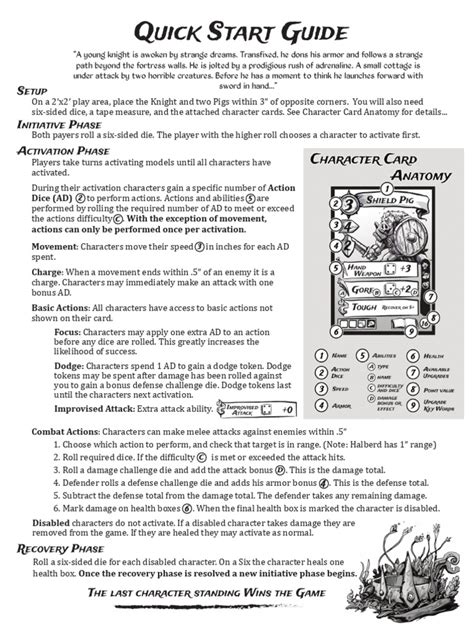
Resist the urge to dump every piece of information at once. A beginner guide should focus on the absolute essentials needed to get started and achieve initial success. Prioritize core mechanics, basic movement, crucial UI elements, and the very first objectives. Introduce concepts gradually, building one skill upon another.
2. Clear, Concise Language
Avoid jargon, acronyms, or insider terminology unless you explicitly define them. Use straightforward, active language. Break down complex sentences into shorter, digestible chunks. If a concept can be explained in fewer words without losing meaning, do it.
3. Visual Aids Are Paramount
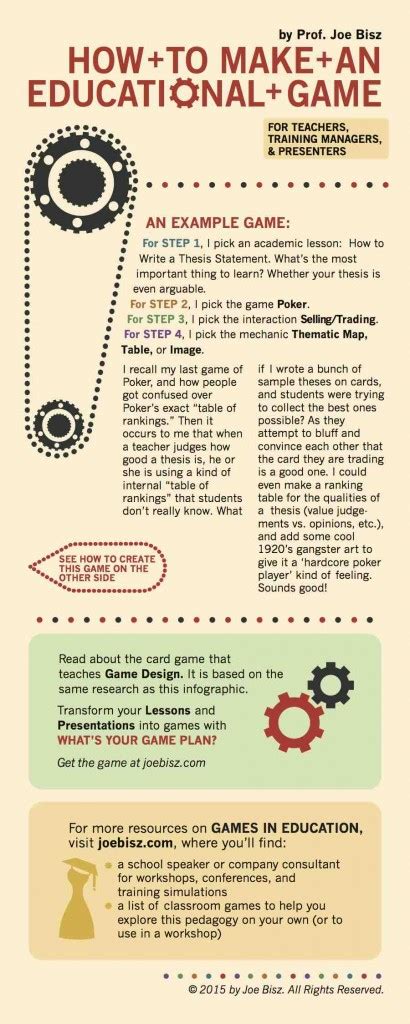
Text alone is rarely enough. Screenshots, diagrams, and even short GIFs or video clips can dramatically improve comprehension. Highlight key areas on the UI, show step-by-step processes, or demonstrate a particular movement. “Show, don’t just tell” is crucial for learning.

4. Break Down Tasks
Many early game frustrations stem from players not knowing how to approach a goal. If the objective is “Build a base,” break that down into “Gather wood,” “Gather stone,” “Open crafting menu,” “Select foundation,” “Place foundation.” Each small success builds confidence and reduces the feeling of being lost.
Structuring Your Beginner Guide
A logical flow is vital. Consider these sections:
- The Absolute Basics: Installation (if relevant), character creation, basic movement, camera controls.
- First Steps & Objectives: What is the immediate goal? How do you accomplish it?
- Core Mechanics Explained: Combat basics, inventory management, simple crafting, resource gathering – only what’s needed for the early game.
- Common Pitfalls & Troubleshooting: Address frequent beginner mistakes proactively.
- What’s Next?: Gently point them towards the next set of challenges or resources, encouraging exploration rather than forcing it.

Practical Tips for Guide Creation
- Playtest with Novices: The single most effective way to identify pain points is to watch someone who has never played your game attempt to follow your guide. Note where they stumble or express confusion.
- Iterate and Refine: Guides are rarely perfect on the first try. Be prepared to update and improve your content based on feedback and game changes.
- Encouragement and Tone: Maintain a positive, supportive tone throughout. Acknowledge that learning takes time and that it’s okay to make mistakes. Celebrate small victories.
- Accessibility: Consider different learning styles. Some prefer text, some visuals, some interactive elements. Offer a mix where possible.
Conclusion
Creating an effective beginner guide is an investment in your player base. By taking the time to understand new players’ struggles and providing clear, empathetic, and visually supported instruction, you transform potential frustration into lasting engagement. A successful guide doesn’t just teach mechanics; it fosters a sense of accomplishment and belonging, setting the stage for a positive long-term relationship with your game.