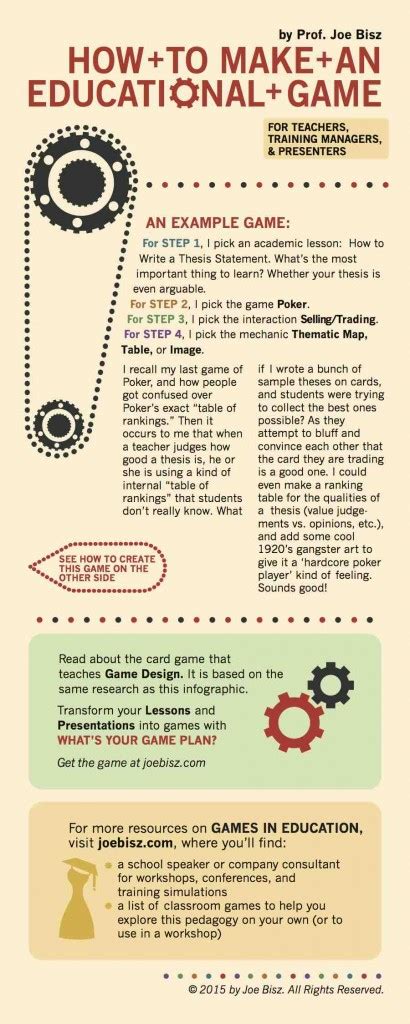
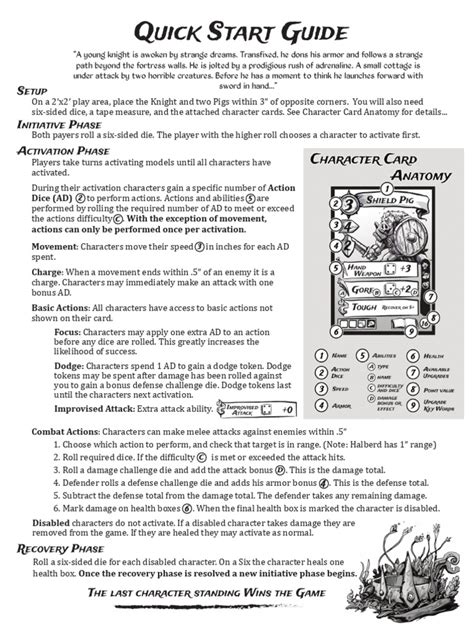
How to craft concise, engaging beginner game guides for total newcomers?
Creating an effective game guide for someone who has never touched a controller or opened a specific game before is an art. It’s about more than just listing controls or objectives; it’s about gently onboarding them into a new world, building confidence, and fostering a love for the game. The challenge lies in distilling complex mechanics into digestible, engaging chunks without overwhelming the learner. This article will equip you with the strategies to craft beginner game guides that truly resonate with total newcomers.
Understand Your Audience: The True Novice
Before writing a single word, put yourself in the shoes of a total newcomer. They don’t know what “DPS” means, they might not understand the concept of an “inventory,” and even basic movement can feel awkward. Assume zero prior knowledge, not just of the game, but potentially of gaming conventions in general. Your guide’s primary goal isn’t just to teach them how to play, but to make them feel capable and excited, not intimidated.
Avoid jargon, acronyms, or assumptions about player skill. If you must use a game-specific term, explain it immediately and clearly. Focus on the absolute essentials required to complete the first few basic tasks or objectives in the game. What does a player absolutely need to know to get started and feel like they’re making progress?

Prioritize Conciseness and Clarity Above All
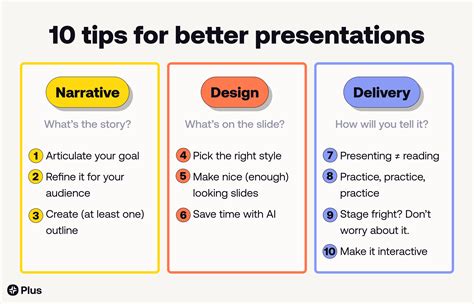
Beginners have a limited attention span when learning something new. Long, rambling paragraphs will quickly lead to disengagement. Break down every concept into its simplest form. Use short sentences, active voice, and clear, straightforward language. Bullet points, numbered lists, and bold text are your best friends for highlighting key information.
Think “byte-sized” information. Instead of explaining every single crafting recipe, explain how to craft and perhaps one or two essential early-game recipes. The goal is foundational understanding, not encyclopedic knowledge. Each sentence should serve a clear purpose, guiding the newcomer step-by-step through a concept or action.
Engage, Don’t Just Inform
A good guide doesn’t just present information; it makes learning enjoyable. Use a friendly, encouraging tone. Explain why certain mechanics are important, not just what they are. For instance, instead of “Press X to jump,” try “Press X to jump over obstacles and reach new areas, giving you access to secrets!”
While I can’t include actual visuals, in a real guide, this is where screenshots, short GIFs, or even quick video clips would shine. They allow newcomers to see the action in context. Use relatable analogies if they help clarify a concept. A touch of personality, without being distracting, can also make your guide more approachable.
Structure Your Guide for Easy Navigation
A well-structured guide is crucial. Start with the absolute basics (e.g., movement, camera control, basic UI) and gradually introduce more complex concepts. A logical progression prevents information overload. If your guide is extensive, consider using clear headings (like the ones in this article!) and even a simple “Table of Contents” at the top so users can jump to specific sections.
Each section should build upon the last, creating a natural learning curve. Conclude each major section or the entire guide with a summary or “Key Takeaways” to reinforce important points. This reiteration aids retention for someone processing a lot of new information.
Practical Writing and Testing Tips
- Use Active Voice: It makes instructions clearer and more direct. “You press the button” is better than “The button is pressed.”
- Proofread Meticulously: Typos and grammatical errors erode credibility and can confuse a new player already struggling to understand.
- Test with Actual Newcomers: The most crucial step! Have someone who genuinely knows nothing about the game (or even gaming) follow your guide. Observe where they get stuck, what they misunderstand, and what questions they ask. This feedback is invaluable for refining your guide.
- Iterate and Refine: Don’t expect your first draft to be perfect. Be prepared to simplify, rephrase, and reorganize based on feedback.
Embrace the “Less is More” Philosophy
Resist the urge to dump every piece of information about the game into your beginner guide. A truly effective guide empowers newcomers to learn, explore, and discover on their own after the initial hurdle. Focus on giving them the tools and confidence to play, rather than telling them exactly how to play every aspect.
Provide just enough information to get them started, succeed in initial tasks, and understand the core loop. For advanced strategies or hidden mechanics, you can always link to more detailed guides, but keep the beginner guide laser-focused on overcoming that initial steep learning curve. Your goal is to spark curiosity, not exhaust it.
Conclusion
Crafting concise and engaging beginner game guides for total newcomers is a rewarding challenge. By understanding your audience’s blank slate, prioritizing clarity and conciseness, focusing on engagement, structuring your information thoughtfully, and rigorously testing your guide, you can transform intimidating game experiences into welcoming adventures. Remember, your guide is their first friend in a new world – make it a helpful, friendly, and empowering one.