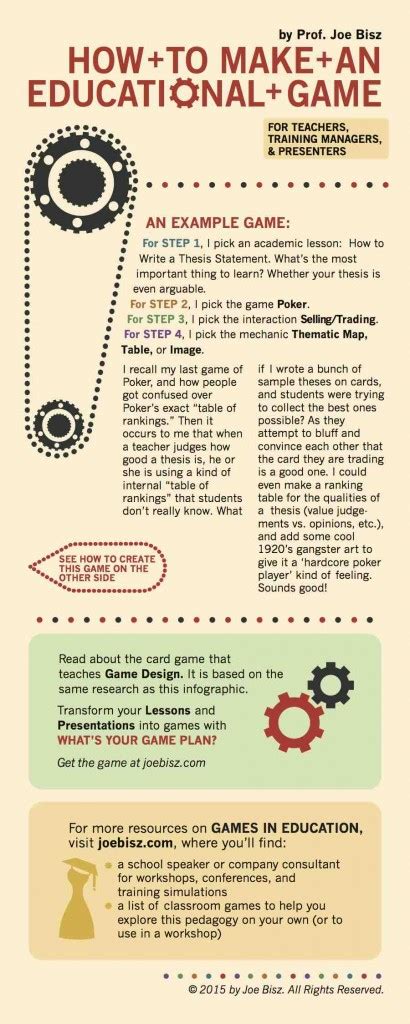
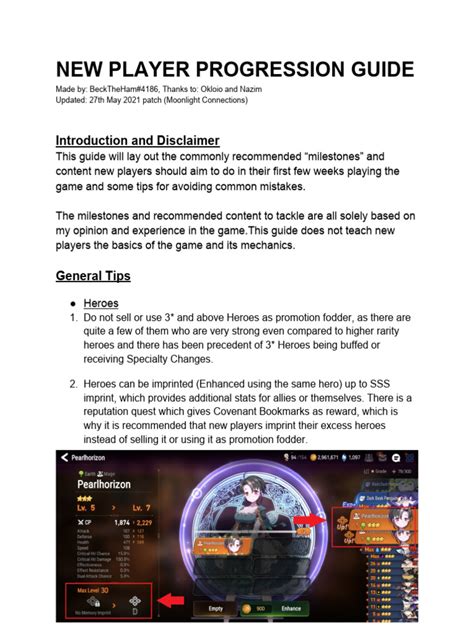
How to craft clear, concise beginner guides for complex games?
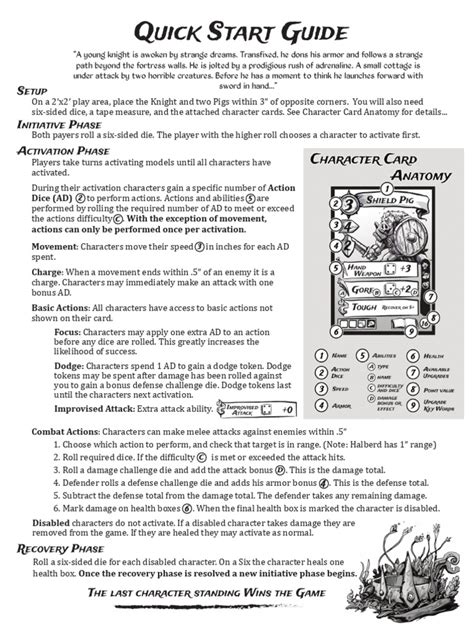
Complex games, while offering deep and rewarding experiences, often present a formidable barrier to entry for newcomers. The sheer volume of mechanics, systems, and unwritten rules can quickly overwhelm, leading to frustration and abandonment. Crafting a beginner guide that is both clear and concise is an art form—one that bridges the gap between a game’s inherent complexity and a new player’s need for accessible understanding. The goal isn’t to dumb down the game, but to illuminate its core paths and empower players to explore its depths.
Empathize with the Novice Mindset
Before you even write a single word, put yourself in the shoes of someone who knows absolutely nothing about the game. Forget your hundreds of hours of playtime. What were the initial hurdles? What information was truly critical to get started, not just to master? A common pitfall is assuming too much prior knowledge. Your guide should start from ground zero, explaining fundamental concepts before building upon them.

Prioritize and Chunk Information Strategically
Not all information is equally important, especially for a beginner. Identify the absolute “need-to-know” elements for a player to complete their first few objectives or understand the core loop. Resist the urge to dump every piece of lore or advanced mechanic upfront. Break down complex systems into digestible chunks. Instead of explaining all 10 combat abilities at once, focus on the first 2-3 they’ll use and the most basic combat flow.
Think of it as a guided tour rather than a lecture. Introduce concepts progressively, ensuring each new piece of information builds logically on what has just been explained. This incremental learning approach prevents information overload and builds confidence.
Simplify Language and Demystify Jargon
Speak Plainly, Avoid Acronyms
Many complex games come with their own unique lexicon and acronyms (e.g., “DPS,” “aggro,” “CC,” “APM”). While these are second nature to veterans, they are alien to newcomers. Either avoid them entirely in a beginner guide or, if essential, clearly define them the first time they appear. Use simple, direct language. If a game mechanic can be explained in two sentences, don’t use five.

Leverage Visuals (Even Metaphorically)
While you can’t embed actual images here, remember that a good guide inherently relies on visual aids. When writing, describe actions and interfaces clearly. Use metaphors or analogies to simplify abstract concepts. For instance, explaining a game’s resource management system as “building a house brick by brick” might resonate better than a technical description of numerical inputs and outputs.
Focus on “Why” and “How-To,” Not Just “What”
Beginners don’t just need to know *what* something is; they need to understand *why* it’s important and *how* to interact with it. Instead of just listing items, explain their purpose. Instead of just stating a control, explain the practical application of that control in common scenarios. Actionable advice empowers players to immediately apply what they’ve learned, fostering a sense of accomplishment.
Structure for Quick Reference and Easy Navigation
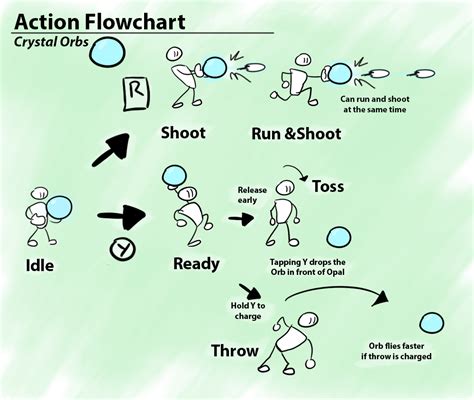
A beginner guide isn’t just something to be read once. Players will likely return to it for specific queries. Use clear headings, subheadings, bullet points, and bold text to break up information and make it scannable. A table of contents, even if internal to the guide, can greatly enhance usability. Consider organizing by “First Steps,” “Core Mechanics,” “Early Progression,” and so on.
Test and Iterate with Actual Beginners
The true test of a beginner guide’s clarity and conciseness is its efficacy with actual beginners. Have someone who has never played the game (or similar games) read your guide and try to play. Observe where they get stuck, what questions they ask, and what parts they find confusing. Their feedback is invaluable for identifying areas where your guide might still be too complex or unclear. Refine and repeat until the onboarding process feels smooth and intuitive.
Conclusion
Crafting exceptional beginner guides for complex games requires a blend of empathy, strategic structuring, clear communication, and iterative refinement. By prioritizing core concepts, simplifying language, and providing actionable insights, you can transform daunting complexity into an exciting journey of discovery for every new player. A well-crafted guide doesn’t just teach the game; it ignites a passion for it, ensuring more players stick around to experience its full depth.