How to craft beginner game guides that simplify complex mechanics for new players, avoiding overwhelm?
Entering a new game can be an exhilarating yet daunting experience, especially when faced with complex mechanics, sprawling skill trees, or intricate systems. For new players, an overwhelming initial experience can lead to early abandonment. This is where well-crafted beginner game guides become invaluable. They act as a bridge, guiding novices through the initial fog and helping them grasp fundamental concepts without feeling swamped. The key lies in simplifying complexity without diluting the essence of the game.
Understand Your Audience: The True Novice
Before putting pen to paper (or fingers to keyboard), it’s crucial to empathize with a true beginner. They know nothing. Assume zero prior knowledge about the game’s genre, specific jargon, or common conventions. What seems obvious to a veteran player can be a complete mystery to someone just starting out. Focus on foundational concepts first, building up gradually.
Consider the typical questions a new player might have: How do I move? What’s my primary objective? How do I interact with the world? Your guide should answer these fundamental questions before diving into more advanced topics.
Break Down Complexity into Bite-Sized Chunks
The biggest mistake in beginner guides is trying to explain everything at once. Complex mechanics are best introduced incrementally. Think of it like teaching someone to cook: you don’t start with a soufflé; you start with scrambling eggs. Break down a large system into smaller, manageable components.
Start with the Absolute Basics
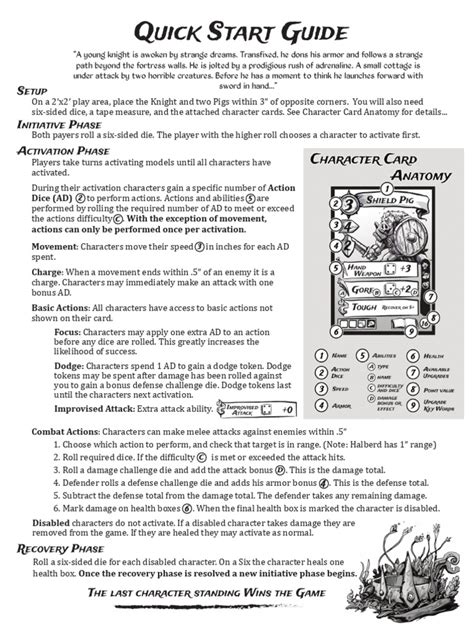
Begin with core controls, user interface elements, and the immediate objectives. For instance, if it’s an RPG, explain how to move, open the inventory, and complete the first quest. Only after these basics are understood should you introduce concepts like combat mechanics, crafting, or character progression.
Introduce Concepts Incrementally
Once basic movement and interaction are clear, introduce the next layer of complexity. If the game has a crafting system, explain the very first, simplest recipe. Then, when that’s understood, you can expand to more complex recipes, resource gathering, and refining. This progressive learning prevents information overload and allows new players to build confidence with each new concept mastered.
Use Clear, Concise Language and Visual Aids
Jargon is the enemy of a beginner guide. While game communities often develop their own shorthand, it’s vital to avoid it or explain it clearly upon first use. Opt for simple, direct language. If a complex term is unavoidable, define it immediately and provide context.
Employ Analogies and Examples
Relating a game mechanic to a real-world concept or a familiar experience can make it much easier to grasp. For example, explaining a game’s ‘aggro’ system by comparing it to attracting a dog’s attention with a toy can be very effective. Concrete examples from the game itself, clearly explained, are also indispensable.
Visual Aids are Your Friend
A picture is worth a thousand words, especially in game guides. Screenshots with highlighted areas, simple diagrams, or even flowcharts can dramatically improve understanding. Show players what buttons to press, what menu options to select, or where to find specific items in the game world. If direct images aren’t possible, use clear textual descriptions of what players should see on their screen.

Structure for Scannability and Engagement
New players often skim for solutions. Your guide should be easy to navigate and digest. Use:
- Clear Headings and Subheadings: Break content into logical sections.
- Bullet Points and Numbered Lists: Ideal for step-by-step instructions or lists of items.
- Bold Text: Highlight key terms, actions, or warnings.
- Short Paragraphs: Long blocks of text are intimidating.
Moreover, consider adding a section on common pitfalls or frequently asked questions. Addressing potential frustrations before they occur can significantly enhance the new player’s experience and build trust in your guide.
Test and Iterate
The best way to know if your guide truly avoids overwhelm is to have actual new players test it. Observe where they struggle, what they misunderstand, and what questions they still have. Use this feedback to refine and improve your guide. A living document that evolves with player feedback will always be more effective than a static one.
Crafting effective beginner game guides is an art that blends empathy, clarity, and structural precision. By understanding your audience, breaking down complexity, using clear language and visuals, and structuring for readability, you can create guides that empower new players to confidently dive into the exciting worlds games have to offer, rather than getting lost at the starting line.