How to craft a beginner guide that simplifies complex game mechanics without info overload?
Creating an effective beginner guide for a game with complex mechanics is an art form. The goal isn’t just to explain everything, but to explain the right things at the right time, in a way that empowers new players rather than overwhelming them. Information overload is the enemy of engagement, often leading players to abandon a game before they truly experience its depth. This guide will walk you through strategies to simplify complexity, manage information flow, and craft a truly beginner-friendly resource.
The Core Challenge: Bridging the Knowledge Gap
Many games, especially those in genres like grand strategy, RPGs, or intricate simulation, are built on layers of interconnected systems. For veterans, these layers are second nature. For a newcomer, they can feel like an impenetrable wall. The challenge is to identify the absolute essentials required for initial play, present them clearly, and then progressively introduce deeper concepts as the player gains confidence.
Know Your Audience: The True Novice
Before writing a single word, put yourself in the shoes of someone who knows absolutely nothing about your game, or even its genre. What assumptions are you making? What common terms might be completely alien to them? Understanding their perspective is crucial to avoiding jargon and over-explanation of things that aren’t immediately relevant. Focus on what they need to *do* first, not what they need to *master*.

Chunking and Sequencing: Small Bites, Big Wins
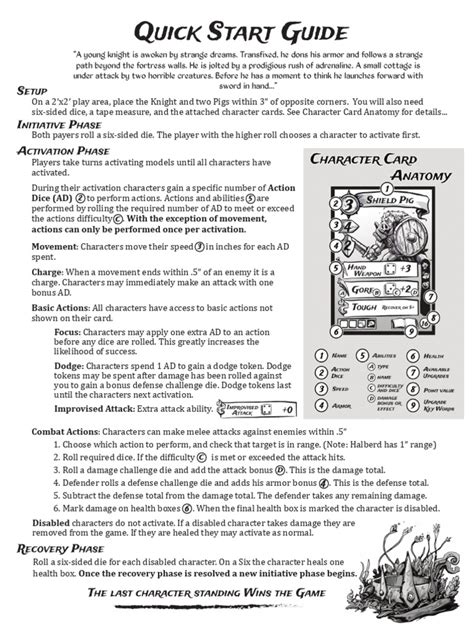
The most effective way to combat info overload is to break down complex topics into smaller, digestible chunks. Each chunk should ideally cover one core concept or a small set of related mechanics. Equally important is the sequence. Introduce foundational mechanics first, then build upon them. Think of it like learning to walk before you can run.
- Identify core loops: What are the absolute essential actions a player must take to play the game for the first 15-30 minutes?
- Group related concepts: Don’t explain combat, economy, and crafting all at once. Address them in distinct sections.
- Progressive difficulty: Start with the simplest interaction, then add layers of complexity.
Prioritize and Progressive Disclosure
Not all information is equally important, especially for a beginner. Prioritize mechanics that are critical for initial success and enjoyment. Mechanics that are advanced, optional, or only become relevant many hours into the game should be deferred. This is called progressive disclosure – reveal information only when it’s needed or requested, preventing cognitive overload early on.
Visuals and Examples: Show, Don’t Just Tell
Text alone can be dry and difficult to parse, especially for visual learners. Integrate screenshots, diagrams, flowcharts, or even short animated GIFs to illustrate mechanics in action. A picture is often worth a thousand words when explaining a UI element or a complex combat sequence. Always accompany visuals with concise, clear explanations.

Hands-On Learning: Practice Makes Perfect
A good guide doesn’t just explain; it encourages practice. If possible, integrate sections that prompt the player to try out the mechanic immediately in-game. For example, after explaining movement controls, suggest they navigate to a specific landmark. This active learning reinforces concepts and builds muscle memory far more effectively than passive reading.
Avoid Jargon and Speak Their Language
Game communities often develop their own shorthand and acronyms. While useful for veterans, this can be a major barrier for new players. Stick to clear, plain language. If a technical term is unavoidable, define it clearly the first time it’s used. Keep sentences short and paragraphs focused on a single idea.

Test and Iterate: The Guide’s Evolution
A beginner guide is rarely perfect on the first draft. Recruit actual novices (friends, family, or fresh players) to test your guide. Observe where they get stuck, what questions they ask, and where they lose interest. Their feedback is invaluable for identifying areas of confusion and refining your explanations. Be prepared to revise and reorder content based on real-world player experience.
Conclusion: Empowering New Players
Crafting a beginner guide that simplifies complex game mechanics without info overload is about empathy, clarity, and strategic delivery. By understanding your audience, chunking information, prioritizing essentials, using strong visuals, and encouraging active learning, you can transform a daunting game into an accessible and enjoyable experience. A well-designed guide doesn’t just teach the game; it respects the player’s time and effort, setting them up for long-term engagement and satisfaction.