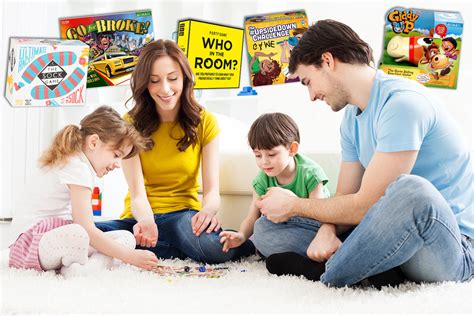
How to choose truly cozy, cooperative family games for diverse age groups?

Building Bridges, Not Walls: The Magic of Cooperative Family Games
In a world often driven by competition, cooperative family games offer a refreshing alternative: shared goals, teamwork, and collective celebration. For families spanning diverse age groups – from curious preschoolers to tech-savvy teens and wise grandparents – finding activities that genuinely engage everyone can be a challenge. Competitive games can sometimes lead to frustration, especially for younger players or those less familiar with gaming. Cooperative games, however, transform potential rivalries into opportunities for connection, making them the ultimate choice for truly cozy and inclusive family fun.

Why Cooperative Games Are a Family Game Night Essential
The core appeal of cooperative games lies in their ability to foster a sense of unity. Instead of individual players vying for victory, everyone works together against the game itself. This dynamic creates a supportive environment where players can share ideas, strategize collectively, and celebrate successes as a team. For diverse age groups, this means:
- Reduced Frustration: Younger children feel less pressure when they’re part of a team, and older family members can guide without dominating.
- Enhanced Communication: Players must talk, listen, and plan together, strengthening interpersonal bonds.
- Shared Sense of Accomplishment: Winning as a group feels incredibly rewarding and builds positive memories.
- Learning and Mentorship: Older players can teach younger ones strategies and decision-making skills in a supportive context.
Key Factors for Selecting Your Perfect Cooperative Game
1. Age Appropriateness and Complexity
This is paramount. While a game might list a broad age range, consider the specific cognitive abilities and attention spans within your family. Look for games with intuitive mechanics that are easy to grasp but offer enough strategic depth to keep older players engaged. Avoid games with excessive text for non-readers or those with visual impairments. Components should be easy to handle for all dexterity levels.
2. Engaging Themes and Storylines
A compelling theme can draw everyone in, regardless of age. Universal themes like exploration, puzzle-solving, monster fighting, or building communities tend to work well. Abstract games might be too dry for younger children. Look for games that tell a story or allow players to immerse themselves in a shared imaginative world.

3. True Cooperation vs. “Alpha Player” Syndrome
Not all cooperative games are created equal. Some can suffer from “alpha player syndrome,” where one dominant player dictates all the moves. To avoid this, seek out games that:
- Utilize hidden information, where each player has unique knowledge.
- Involve simultaneous actions, preventing one player from overthinking everyone’s turn.
- Assign unique roles or abilities, making each player’s contribution vital.
- Encourage discussion and diverse perspectives.
4. Playtime and Setup
Long games can lose the interest of younger players or tire out older ones. Aim for games that can be completed within 30-60 minutes, especially for initial plays. Quick setup and tear-down also contribute to a smoother, more enjoyable experience, allowing more time for actual gameplay and less for logistics.

5. Replayability and Scalability
A great family game offers variety. Look for games with modular boards, different scenarios, multiple difficulty levels, or variable setups. This ensures the game remains fresh and challenging over many play sessions. Also, check if the game scales well for different player counts, so it’s enjoyable whether you have a small gathering or a larger family reunion.

Tips for a Truly Harmonious Game Night
Beyond choosing the right game, creating the perfect atmosphere is key to a cozy experience. Dim the lights, put on some gentle background music, and have snacks ready. Clearly explain the rules at the beginning, encourage everyone to ask questions, and emphasize that the goal is shared fun, not flawless strategy. Be patient with younger players and celebrate small victories along the way. Remember, the journey and the shared laughter are often more important than whether you ‘win’ or ‘lose’ against the game.
Conclusion: More Than Just a Game
Choosing truly cozy, cooperative family games for diverse age groups is about more than just entertainment; it’s an investment in togetherness. These games foster invaluable skills like communication, problem-solving, and empathy, all while weaving unforgettable memories. By considering age, theme, true cooperation, playtime, and replayability, you can transform your family game nights into cherished rituals that strengthen bonds and create lasting joy for everyone involved.