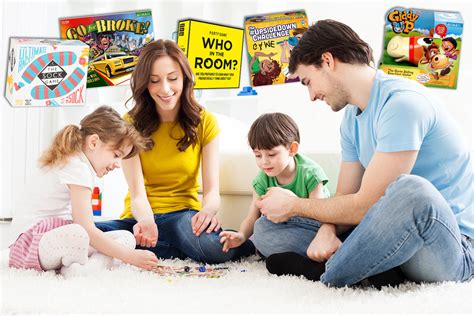
How to choose cozy family games that engage diverse ages without conflict?

The Quest for Harmonious Family Game Night
Gathering the family for a game night is a cherished tradition, but finding a game that genuinely engages everyone from spirited youngsters to seasoned grandparents without sparking conflict can feel like an impossible quest. Diverse ages bring varied attention spans, skill levels, and interests to the table, often leading to boredom for some and frustration for others. The key lies in understanding what makes a game truly ‘cozy’ and inclusive.

Understanding Your Family’s Unique Dynamics
Before diving into game recommendations, take a moment to assess your family. A successful game choice starts with knowing your players.
Consider the Age Range and Skill Levels
- Wide Spectrum: Are you balancing a kindergartener with a teenager and an adult? Games with highly complex rules or intense strategy might alienate the younger or less experienced players.
- Varying Experience: Some family members might be seasoned gamers, while others are casual players. Look for games that are easy to learn but offer enough depth to keep everyone interested.
Gauge Interests and Personalities
- Competitive vs. Cooperative: Does your family thrive on friendly rivalry, or do competitive games often lead to tears or arguments? If the latter, cooperative games are a lifesaver.
- Themes & Genres: Do they prefer fantasy, abstract puzzles, word games, or storytelling? Matching the theme to general family interests can boost engagement.
Characteristics of Conflict-Free, Cozy Games
To ensure a smooth and enjoyable experience for all, seek out games that possess specific qualities designed to bridge generational gaps and minimize friction.
Simple Rules, Engaging Gameplay
The best multi-age games are quick to teach, allowing everyone to jump in without a lengthy explanation. However, simplicity shouldn’t mean boredom. Look for games with emergent strategy or delightful moments that keep adults entertained.
Embrace Cooperative Play
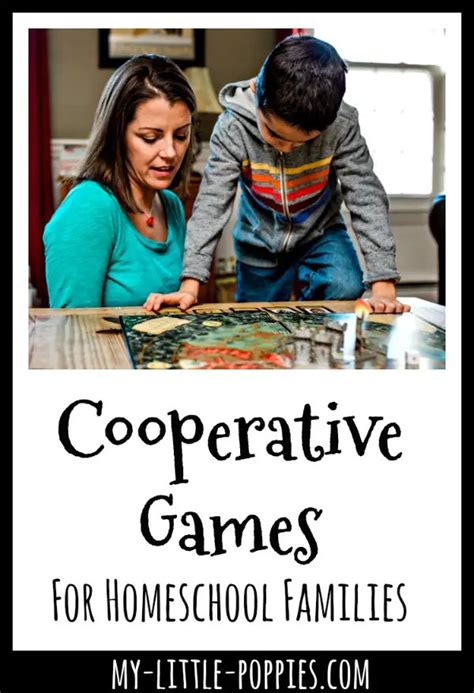
Cooperative games are the ultimate solution for conflict prevention. In these games, all players work together against the game itself to achieve a common goal. This fosters teamwork, communication, and shared victories (or defeats!), eliminating direct competition between family members. Examples include Forbidden Island, Pandemic: Hot Zone, or even simplified versions of classics.
Variable Difficulty and Scalability
Some games offer ways to adjust the difficulty, allowing you to tailor the challenge to your group. This might involve different game modes, modular components, or house rules that can be introduced or removed as needed.
A Balanced Mix of Luck and Skill
Games that incorporate an element of luck alongside strategic choices can help level the playing field. Younger players or those new to gaming can still feel like they have a chance to win, reducing frustration and making the experience more accessible.
Reasonable Playtime
Long, drawn-out games can test anyone’s patience, especially children’s. Opt for games with a typical playtime of 30-60 minutes, or those that have natural stopping points.
Recommended Types of Games for Diverse Ages
Here are categories and examples to guide your selection:
Cooperative Adventures
As mentioned, these are perfect for fostering teamwork. Look for games like Forbidden Island (simple, adventurous), Outfoxed! (deduction for younger kids), or Hanabi (a challenging cooperative card game for older families).

Storytelling and Imaginative Games
Games that encourage creativity and shared narrative often transcend age barriers. Dixit and Rory’s Story Cubes are fantastic for sparking imagination and don’t rely heavily on complex rules or strategy, allowing everyone to contribute on their own terms.
Dexterity and Party Games
Physical games like Jenga, Rhino Hero, or even simple party games like Telestrations can be incredibly engaging across ages. They often rely on quick reflexes or hilarious interpretations rather than deep strategy, making them universally fun.
Light Strategy with Universal Appeal
Games such as Ticket to Ride: First Journey (a simpler version of the classic) or Sushi Go! offer accessible strategy with charming themes that appeal to a broad audience without being overly competitive.

Tips for a Stellar Game Night Experience
- Set Expectations: Remind everyone that the goal is fun and togetherness, not just winning.
- Rotate Game Choices: Let different family members pick the game for different nights to ensure everyone’s preferences are met over time.
- Emphasize Participation: Encourage everyone to contribute, even if it’s just helping a younger player with their turn.
- Take Breaks: Especially for longer games or younger players, short breaks can reset focus and energy.
- Snacks are Essential: A little sustenance and a cozy atmosphere go a long way in keeping spirits high.

Building Bonds Through Play
Choosing the right cozy family game is more than just picking a box off a shelf; it’s about curating an experience. By understanding your family’s unique makeup and focusing on games that prioritize cooperation, simple rules, and engaging themes, you can transform potential conflict into genuine connection. These shared moments of laughter, teamwork, and light-hearted challenge are invaluable for strengthening family bonds and creating cherished memories that last a lifetime.