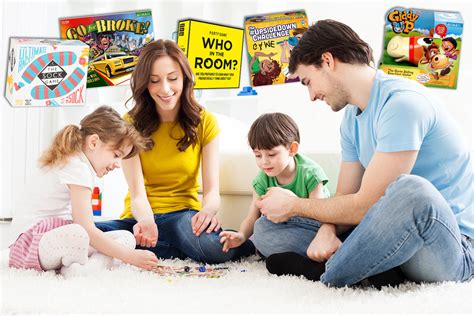
How to choose cozy family games that bridge varied age/skill levels for max fun?

The Quest for Universal Family Fun
Finding the perfect family game can often feel like a quest, especially when your household includes a wide spectrum of ages, interests, and skill levels. From a curious toddler to a tech-savvy teen, and from a casual adult player to a seasoned board game enthusiast, bridging these gaps for maximum collective enjoyment is the ultimate goal of any family game night. The magic lies in selecting games that are not only fun and engaging for everyone but also foster connection, laughter, and a sense of shared accomplishment.
This guide will help you navigate the vast world of cozy family games, offering strategies and insights to pick titles that will bring everyone to the table, eager to play and make lasting memories. It’s about creating an inclusive atmosphere where winning isn’t the only objective; shared experience and joy take center stage.
Key Considerations for Selecting Your Next Family Game

When curating your family game collection, several factors come into play. Thoughtful consideration of these elements will significantly improve your chances of finding games that resonate with every family member.
1. Age Range and Cognitive Complexity
While a game box might suggest an age range, it’s more important to consider the actual cognitive and motor skills required. Look for games with simple, intuitive mechanics that younger players can grasp without feeling overwhelmed, but also offer enough strategic depth or engaging elements to keep older players interested. Games that rely more on luck or observation can often level the playing field, while those with variable player powers can introduce complexity without making it too difficult for newcomers.
2. Theme and Universal Appeal
A captivating theme can draw everyone in. Fantasy adventures, adorable animals, whimsical storytelling, or even abstract puzzle-solving can appeal widely. Avoid themes that might alienate specific age groups or interests within your family. The goal is a theme that everyone can get excited about, or at least be amenable to.
3. Playtime and Setup
Long setup times or games that drag on for hours can deter younger players and those with shorter attention spans. Opt for games with quick setup, clear rules, and a reasonable playtime (30-60 minutes is often ideal for mixed-age groups). Shorter games allow for multiple rounds or switching games if one isn’t hitting the mark.
4. Player Count Flexibility
Family sizes can vary, and so can the number of people available for game night. Games that scale well from 2-6+ players are incredibly versatile, ensuring you always have options regardless of who’s joining in. Check the box for the recommended player count and read reviews about how well it performs at different numbers.
5. Cooperative vs. Competitive Dynamics
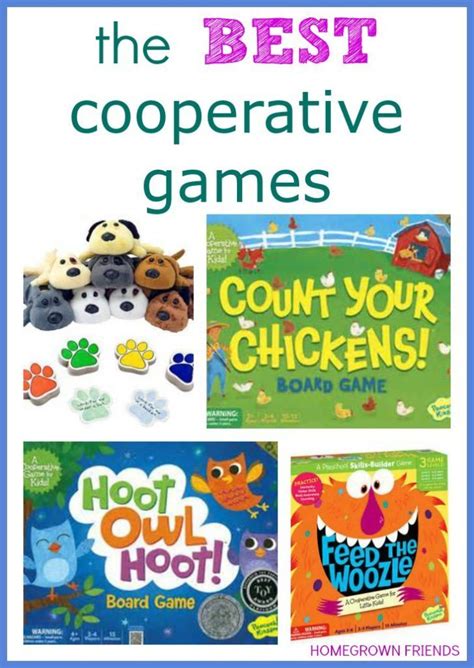
Cooperative games, where all players work together against the game itself, are excellent for bridging skill gaps. They foster teamwork, reduce potential for conflict, and allow more experienced players to subtly guide younger or newer players without “playing for them.” Competitive games can still be fun, but choose ones where the competition isn’t overly cutthroat and losing can still be enjoyable.
Strategies for Bridging Age and Skill Gaps
Even with the perfect game, a little family-specific strategy can ensure everyone has a blast.
1. Implement House Rules and Handicaps
Don’t be afraid to tweak the rules! For younger players, you might simplify certain actions, offer extra starting resources, or allow “take-backs.” For older players, perhaps a handicap like starting with fewer points or a more challenging objective can keep things balanced and interesting. The goal isn’t strict adherence to the rules, but maximum fun.
2. Emphasize Fun Over Winning
Shift the focus from who wins to the shared experience. Celebrate good moves regardless of who makes them, encourage teamwork, and laugh off mistakes. Remind everyone that the primary objective is to spend quality time together.
3. Rotate Game Masters/Teachers
Give everyone a chance to explain rules or lead a game. This not only builds confidence but also ensures different perspectives are heard and understood. Older children can gain valuable teaching skills, and younger ones feel more included.
Recommended Game Categories for Mixed Ages and Skills

1. Dexterity Games
Games that rely on physical skill (stacking, flicking, balancing) often bypass traditional cognitive skill barriers. Examples include Jenga, Rhino Hero, or PitchCar. Everyone can participate and usually has a good laugh.
2. Cooperative Games
As mentioned, these are fantastic for family harmony. Titles like Forbidden Island, Pandemic: Hot Zone, or Mysterium are excellent choices where everyone wins or loses together. They encourage communication and shared problem-solving.
3. Party Games
Often designed for larger groups and simple rules, party games like Dixit, Codenames (or Codenames Duet for smaller groups), Wavelength, or Telestrations are fantastic for sparking creativity and laughter across generations.
4. Light Strategy Games
Games such as Ticket to Ride, Carcassonne, Kingdomino, or Sushi Go! offer approachable strategic depth without being overwhelming. They introduce core gaming concepts in an accessible way, allowing for both casual and more focused play.
5. Storytelling Games

Games like Rory’s Story Cubes or Once Upon a Time encourage imagination and collaborative storytelling, where there are no winners or losers, just creative fun. These are perfect for fostering verbal skills and creativity in all ages.
The Joy of Shared Play
Choosing the right cozy family games and adopting a flexible, fun-first approach can transform your family game nights into cherished traditions. It’s not just about the game itself, but the laughter, the learning, the communication, and the unique bond forged when family members come together to play. Embrace the challenge, enjoy the journey, and create countless joyful memories around the game table.