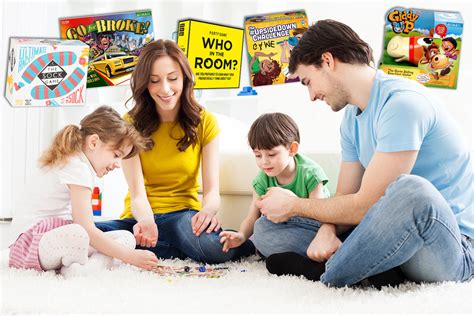
How to choose cozy family games promoting cooperation, not conflict, for varied ages?

Transforming Family Game Night: The Power of Cooperative Play
Family game nights are cherished traditions, offering laughter, connection, and a welcome break from screens. However, sometimes the competitive spirit can lead to unexpected conflicts, especially when different ages and skill levels are involved. The good news? There’s a growing world of “cozy” cooperative games designed to build bridges, not barriers, promoting teamwork and shared joy rather than rivalry.
Choosing the right game is key to unlocking these benefits. It’s about creating an environment where everyone feels valued, contributing to a common goal, and celebrating collective success.

Why Choose Cooperative Games Over Competitive Ones?
Traditional competitive games often pit players against each other, with a single winner emerging from a field of losers. While this can be fun for some, it can also lead to frustration, arguments, and feelings of exclusion, particularly for younger children or those less experienced. Cooperative games, on the other hand, shift the dynamic entirely:
- Shared Goals: Everyone works together towards a common objective, fostering a sense of unity.
- Enhanced Communication: Players must discuss strategies, share ideas, and make decisions collaboratively.
- Reduced Conflict: There’s no direct competition between family members, minimizing opportunities for arguments.
- Teamwork & Problem-Solving: Children learn valuable skills in collaboration, negotiation, and strategic thinking.
- Inclusive Fun: Everyone stays engaged from start to finish, with no player elimination.
What Makes a Game “Cozy” and Family-Friendly?
Beyond being cooperative, a “cozy” game emphasizes a comfortable, low-pressure experience. Look for games with:
- Gentle Themes: Often involve nature, friendly creatures, building, or simple storytelling.
- Accessible Rules: Easy to learn, but with enough depth to keep older players interested.
- Relaxed Pace: Less focus on speed or intense strategic calculations, more on shared experience.
- Positive Interaction: Encourages helping each other rather than hindering.

Navigating Varied Ages: Engaging Everyone
The biggest challenge for family game night is often finding a game that appeals to and appropriately challenges a wide age range – from energetic toddlers to discerning teenagers and adults. Here’s how to bridge the generational gap with cooperative games:
- Scalable Difficulty: Many cooperative games offer variants or modular components that allow you to adjust the complexity. Younger children might handle simpler tasks (e.g., rolling dice, moving pieces), while older players manage more strategic decisions.
- Multiple Roles/Contributions: Look for games where different players can contribute in different ways. This allows everyone to feel useful, regardless of their skill level.
- Open Communication: The nature of cooperative play inherently encourages discussion. Younger players can learn from older ones, and even simple suggestions can be valuable.
- No Player Elimination: This is crucial. If a player is out early, they quickly lose interest and can disrupt the game for others. Cooperative games keep everyone in until the very end.
- Appealing Themes: A universally appealing theme (e.g., saving animals, building a community, exploring a magical land) can draw in diverse age groups.

Key Features to Prioritize When Choosing
When you’re browsing for your next family game, keep these elements in mind:
- Clear Shared Objective: Is the goal obvious and does everyone work towards it?
- Collaborative Mechanics: Do players genuinely need to work together (e.g., sharing resources, combining abilities) or could one person just run the show?
- Positive Feedback Loop: Does the game reward cooperation and progress, not just ultimate victory?
- Engaging Artwork & Components: High-quality, thematic art can significantly enhance the experience, especially for younger players.
- Replayability: Does the game offer enough variety (e.g., different scenarios, random setup) to keep it fresh for multiple plays?

Tips for a Harmonious Cozy Game Night
Even with the perfect game, setting the right atmosphere can make all the difference:
- Set the Mood: Dim the lights, put on some soft background music, and have cozy blankets and snacks ready.
- Emphasize the Journey: Remind everyone that the goal is fun and togetherness, not just winning. Celebrate small successes.
- Rotate Decision-Making: Encourage different family members to lead discussions or make key decisions on different turns.
- Be Flexible: For very young children, don’t be afraid to adapt rules or provide extra guidance.
- Limit Distractions: Put away phones and other devices to ensure full engagement.
Conclusion
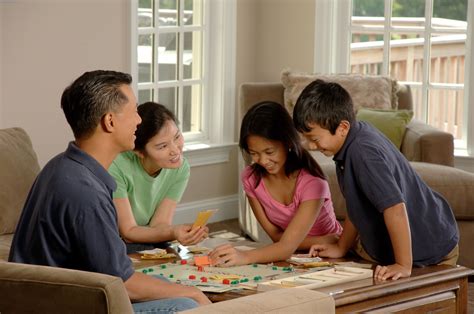
Choosing cozy, cooperative family games is a powerful way to transform your game nights from potential battlegrounds into cherished moments of connection and shared achievement. By focusing on teamwork, communication, and inclusive fun, you’re not just playing a game – you’re building stronger family bonds and teaching invaluable life lessons that transcend the tabletop. So gather your loved ones, pick a game where everyone wins together, and create memories that will last a lifetime.