How to choose cozy family games for diverse ages & skill levels?
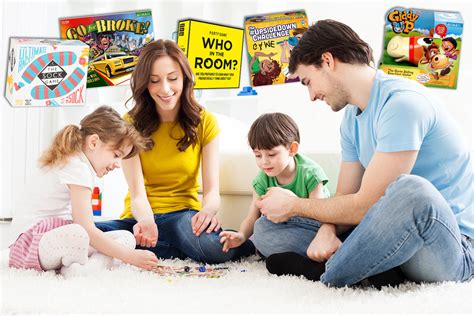
Family game nights are cherished moments, offering a fantastic opportunity to bond, laugh, and create lasting memories. However, selecting a game that genuinely engages everyone, from the youngest to the oldest, and accommodates varying skill levels, can sometimes feel like a puzzle in itself. The quest for “cozy” family games—those that foster warmth, connection, and a sense of shared enjoyment rather than intense competition—requires a thoughtful approach. This guide will help you navigate the myriad of options to find games that perfectly fit your unique family dynamic.
Understanding Your Family’s Game Profile
Before diving into game recommendations, take a moment to assess your family’s gaming profile. Consider the following aspects:
- Age Range: Are you playing with toddlers, elementary school kids, teenagers, or a mix of all? This is perhaps the most crucial factor, as games are often designed with specific cognitive abilities and attention spans in mind.
- Skill Levels & Experience: Do you have seasoned board game enthusiasts alongside complete novices? A game that’s too complex for beginners can lead to frustration, while one too simple might bore experienced players. Look for games with adaptable rules or low barriers to entry.
- Interests: Does your family prefer strategy, luck-based games, creative storytelling, or physical dexterity challenges? Knowing general preferences can narrow down your choices significantly.

Key Factors in Choosing the Right Game
Once you have a clearer picture of your family, apply these criteria to potential game choices:
Age Appropriateness & Complexity
Always check the manufacturer’s recommended age, but use it as a guideline, not a strict rule. Some younger children might grasp concepts beyond their age, while some older players might prefer simpler, more relaxing games. Prioritize games with rules that can be easily explained and understood by the least experienced player. Many games offer “junior” versions or simplified rules for younger players, making them excellent choices for mixed-age groups.
Player Count & Playtime
Ensure the game accommodates your typical family gathering size. Some games are best with 2-4 players, while others shine with 5+. Also, consider the total playtime. For younger children or shorter attention spans, games lasting 30-45 minutes are ideal. Longer games can be reserved for dedicated game nights with older participants.

Embrace Cooperative and Adaptable Games
Cooperative games are a fantastic starting point for mixed-skill families. In these games, all players work together against the game itself, fostering teamwork and shared victory (or defeat) rather than head-to-head competition. This eliminates the pressure of winning and allows experienced players to subtly guide newer ones without making them feel inadequate.
- Examples: Forbidden Island or Forbidden Desert (light strategy, teamwork), Outfoxed! (deduction for younger kids), Pandemic: Hot Zone (a quicker version of the classic).
Another excellent option is games that offer different levels of strategy or ways to participate. For instance, games like Dixit or Codenames can involve creative thinking and deduction, allowing players to contribute in unique ways regardless of their strategic prowess.

Beyond the Board: Dexterity and Storytelling
Don’t limit yourselves to purely strategic board games. Dexterity games can be universally fun and engaging, often involving less reading and more physical interaction, making them perfect for all ages.
- Examples: Jenga, Rhino Hero, Klask (for older kids/adults but simple to learn).
Storytelling games, where players contribute to a shared narrative, encourage creativity and imagination. These games often have very simple rules, focusing on open-ended participation.
- Examples: Rory’s Story Cubes, Once Upon a Time (with more guidance).

Tips for a Harmonious Game Night
Once you’ve chosen your game, set the stage for success:
- Set Expectations: Remind everyone that the goal is fun and connection, not just winning.
- Be Patient: Especially with new players or younger children. Help them understand the rules without “playing for them.”
- Create an Ambiance: Soft lighting, cozy blankets, and favorite snacks can enhance the “cozy” factor.
- Rotate Games: Don’t stick to just one. Having a small library of games that suit different moods and player combinations keeps things fresh.

Conclusion
Choosing the perfect cozy family game for diverse ages and skill levels is an art, not a science. It involves understanding your family’s unique preferences, considering game mechanics, and fostering an environment where fun and connection take precedence over competition. By following these guidelines and exploring a variety of game types, you’re well on your way to discovering new family favorites that will bring joy and memorable moments for years to come. Happy gaming!