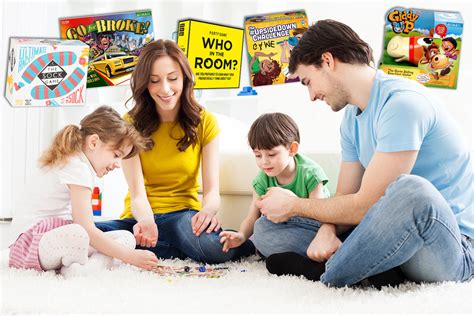
How to choose cozy family games engaging all ages, ensuring low conflict & quick setup?

The Quest for Harmonious Family Game Nights
Family game night should be a cherished tradition, a time for laughter, connection, and shared joy. Yet, finding that perfect game—one that captivates a wide range of ages, avoids sibling squabbles, and doesn’t require an hour of setup—can feel like searching for a mythical creature. The good news is, such games exist! With a little intentionality and understanding of what makes a game truly “cozy” and “family-friendly,” you can transform your game nights from potential stress-fests into genuinely delightful experiences.

Defining “Cozy” and “Family-Friendly”
Before diving into specific recommendations, let’s understand the core qualities we’re seeking. A “cozy” game evokes feelings of comfort, warmth, and relaxation. It’s less about cutthroat competition and more about the shared experience. “Family-friendly” implies accessibility for varying skill levels, appropriate themes, and mechanics that allow everyone, from the youngest to the oldest, to participate meaningfully and enjoyably. This often translates to simple rules, minimal downtime, and a focus on positive interaction.
Engaging All Ages: Bridging the Generational Gap
One of the biggest hurdles is finding a game that genuinely engages both a 6-year-old and a 60-year-old. The key lies in games with:
- Simple Core Mechanics: The basic rules should be graspable by younger children, but offer enough depth for adults to find strategic interest. Think “easy to learn, difficult to master” or games where luck plays a significant, but not overwhelming, role.
- Varied Pathways to Success: Games that don’t solely rely on complex strategy or extensive reading are ideal. Visual components, pattern recognition, memory, or even dexterity challenges can level the playing field.
- Scalable Complexity: Some games offer beginner rules or variants that can be introduced as players grow more comfortable. Look for games where adults can “handicap” themselves without making it obvious.

Minimizing Conflict: Keeping the Peace
Arguments can quickly derail a game night. To choose games that foster camaraderie over competition, consider these approaches:
- Cooperative Games: These are arguably the best solution for low conflict. Everyone works together against the game itself to achieve a common goal. This shifts the focus from beating each other to collaborative problem-solving.
- Luck-Based Elements: A healthy dose of luck can prevent one player from dominating consistently, giving everyone a chance to win and reducing feelings of unfairness.
- Indirect Competition: If competitive, opt for games where interaction is less “take-that” and more about optimizing your own strategy without directly hindering others. Set collection or engine building games can fit this mold.
- Short Playtimes: Even if a disagreement arises, a short game means it’s over quickly, preventing prolonged tension.

Quick Setup, Quick Fun: Maximizing Playtime
Nothing saps enthusiasm like a lengthy setup or rule explanation. Prioritize games that offer:
- Minimal Components: Fewer pieces to punch out, sort, and arrange means less time before playing.
- Clear, Concise Rulebooks: A well-organized rulebook with examples and illustrations makes learning a breeze. Ideally, you can teach the game in under 10 minutes.
- Pre-organized Storage: Games with good insert trays or easily baggable components significantly cut down on setup and tear-down time.
- Intuitive Gameplay: Once explained, the game flow should feel natural and not require constant rulebook referencing.

Top Game Genres & Examples to Consider
While specific game titles change, certain genres consistently deliver on the “cozy, all-ages, low-conflict, quick-setup” promise:
- Cooperative Storytelling/Adventure: Games like My Little Scythe (adapted for younger audiences), Forbidden Island, or Flash Point: Fire Rescue (with family rules) encourage teamwork.
- Pattern Recognition/Dexterity: Sushi Go! (card drafting), Ticket to Ride (simple routes), or Jenga (physical dexterity) are highly accessible.
- Roll-and-Write/Flip-and-Write: Games like Qwixx or Welcome To… offer quick turns and simultaneous play, reducing downtime and direct conflict.
- Simple Card Games: Classics like UNO or modern twists like Exploding Kittens (if theme is appropriate) are fast and fun.
Remember to consider your family’s unique preferences. Does everyone love animals? Are they fans of fantasy? The theme can be as important as the mechanics in drawing people in.

Creating Lasting Family Memories
Choosing the right game is about more than just the mechanics; it’s about fostering an environment where everyone feels included, challenged, and cherished. By focusing on games that are inherently engaging across generations, promote cooperation over conflict, and respect your family’s time with quick setups, you’re not just picking a game—you’re curating an experience. Embrace the joy of shared moments, and watch your family game nights become treasured highlights.