How to choose cozy co-op games that prevent family skill-gap frustration?

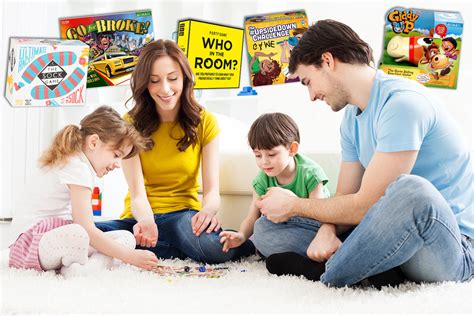
Gaming together as a family can be a fantastic way to bond, create lasting memories, and share laughter. However, the joy can quickly turn into frustration when there’s a significant skill gap between players. Whether it’s a seasoned gamer parent playing with a young child, or siblings with vastly different gaming aptitudes, finding the right co-op game that keeps everyone engaged and happy is key. The goal is to choose games that foster cooperation without letting skill discrepancies lead to one player feeling useless or another feeling overwhelmed.
Understanding the Skill Gap Challenge
A skill gap in co-op games often manifests in a few common ways: one player might dominate tasks, leaving others with little to do; a less experienced player might struggle, causing repeated failures and slowing down progress; or competitive elements unintentionally creep in, despite the co-op premise. These scenarios can quickly sour the experience, transforming what should be a fun family activity into a source of tension. The key to preventing this frustration lies in selecting games specifically designed to accommodate varying skill levels.

Key Features of Skill-Gap-Friendly Co-op Games
When searching for the perfect family co-op game, look for titles that incorporate mechanics that naturally balance player contributions. These features are designed to ensure everyone feels valuable, regardless of their individual skill level or gaming experience.
Asymmetric Roles and Tasks
Games that assign different roles or offer varied tasks allow players to contribute in ways that best suit their abilities. For instance, one player might handle combat, while another focuses on puzzle-solving, resource management, or exploration. This way, each family member has a distinct, important job, reducing direct comparison of individual performance.
Built-in Assist Mechanics
Many modern co-op games include brilliant assist features. This could be anything from a more experienced player being able to ‘carry’ a less skilled player through difficult sections, to adjustable difficulty settings that can be tweaked on the fly. Some games even have characters or abilities specifically designed to support teammates, making everyone feel like a vital part of the team.
Focus on Puzzles Over Reflexes
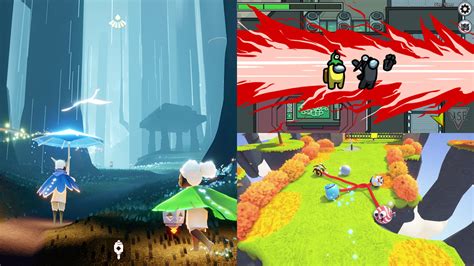
Action-oriented games often demand quick reflexes, which can be a major hurdle for less experienced players. Cozy co-op games, on the other hand, frequently prioritize thoughtful puzzle-solving, exploration, and strategy over twitch-based gameplay. This shift allows all players to contribute through communication, logic, and creative thinking, rather than just speed and precision.

Game Mechanics to Look For
Beyond the core features, certain game mechanics significantly contribute to a frustration-free co-op experience. These elements promote a relaxed atmosphere where the journey is more important than perfect execution.
Low-Stress Environments and Penalties
Avoid games with harsh penalties for failure, such as permadeath or significant progress loss. Look for games that offer unlimited retries, checkpoint systems, or no real ‘fail state’ at all. This removes the pressure to perform perfectly and allows players to experiment and learn without fear of letting the team down.
Clear Communication and Shared Goals
The best co-op games encourage clear communication. This might be through in-game pings, simple objective markers, or just by naturally fostering conversation as players work together towards a common goal. When everyone understands the objective and how their actions contribute, the experience becomes much more collaborative.
Variety of Playstyles
Games that offer multiple ways to approach challenges or complete objectives are excellent. This allows players to choose roles or tasks that align with their comfort level and preferences, ensuring everyone can find a way to contribute meaningfully.
Tips for a Harmonious Game Night
Even with the right game, how you approach family game night can make all the difference. Cultivate an environment of encouragement and fun.
- Set Expectations: Remind everyone that the goal is fun and cooperation, not perfection.
- Encourage, Don’t Criticize: Focus on positive feedback and gentle guidance rather than pointing out mistakes.
- Rotate Roles: If possible, swap roles or tasks periodically so everyone gets a chance to try different things and feel important.
- Take Breaks: If frustration starts to build, step away for a moment. A short break can reset moods and perspective.
- Celebrate Small Victories: Acknowledge every bit of progress and every successful collaborative moment.

Conclusion
Choosing cozy co-op games that prevent family skill-gap frustration is about being mindful of game mechanics that promote inclusivity and cooperation. By looking for asymmetric roles, assist features, low-stress environments, and games that prioritize puzzles over reflexes, families can find countless hours of joyful, collaborative play. Remember, the true win is the shared experience and strengthened bonds, far more than any in-game achievement.