How to break down complex game concepts simply for new players in beginner guides?

The Challenge of Onboarding New Players
Many video games, especially those with deep mechanics, intricate lore, or competitive multiplayer aspects, present a steep learning curve for newcomers. Developers often assume a certain level of familiarity with genre tropes or specific game systems, which can be overwhelming for someone just picking up the controller or keyboard. A well-crafted beginner guide isn’t just about listing controls; it’s about demystifying the complex, building confidence, and fostering a desire to explore further. The art lies in translating advanced ideas into digestible, actionable information.

1. Know Your Audience: Assume Nothing
The fundamental rule for any beginner guide is to start from zero. Do not assume your reader understands common gaming jargon, genre conventions, or even basic user interface elements. Explain terms like “DPS,” “aggro,” “cooldown,” or “AoE” if they are relevant to the game. Think about the absolute first interaction a player has and guide them step-by-step through it. What’s the core objective? What’s the most basic action they need to perform? Answer these questions before delving into advanced strategies.
2. Start with the Core Loop and Build Up Gradually
Introduce concepts incrementally, like building blocks. Begin with the game’s most fundamental mechanics and objectives. Once a player grasps these, introduce the next layer of complexity that builds upon what they already know. For instance, in a strategy game, start with resource gathering, then introduce unit production, then unit movement, and finally combat tactics. Avoid dumping all information at once; this creates cognitive overload. Each new concept should feel like a natural progression from the last.
3. Leverage Analogies and Real-World Comparisons
Abstract game concepts can become much clearer when related to familiar real-world scenarios or simpler ideas. Is a game’s “economy” similar to managing a small business? Does a character’s “ultimate ability” feel like a special move in a martial arts film? These comparisons create mental shortcuts, allowing new players to quickly grasp the essence of a mechanic without getting lost in its technical details. Use relatable examples that resonate with a broad audience.
4. Show, Don’t Just Tell: Visual Aids and Practical Examples
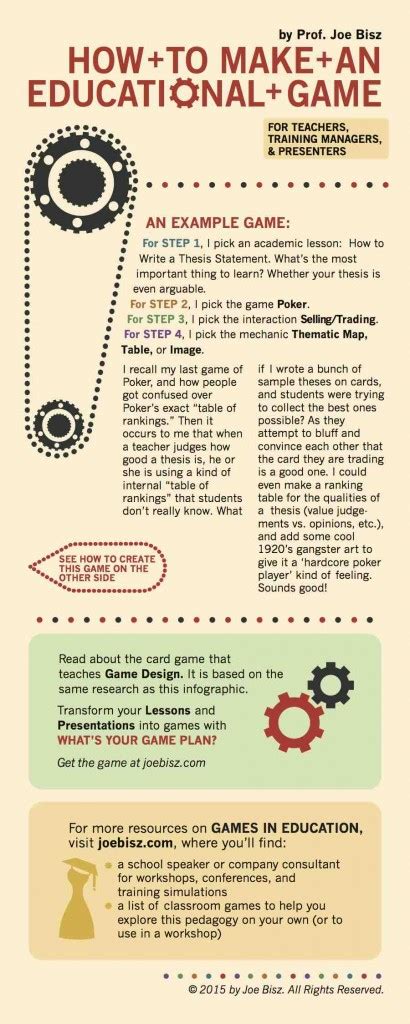
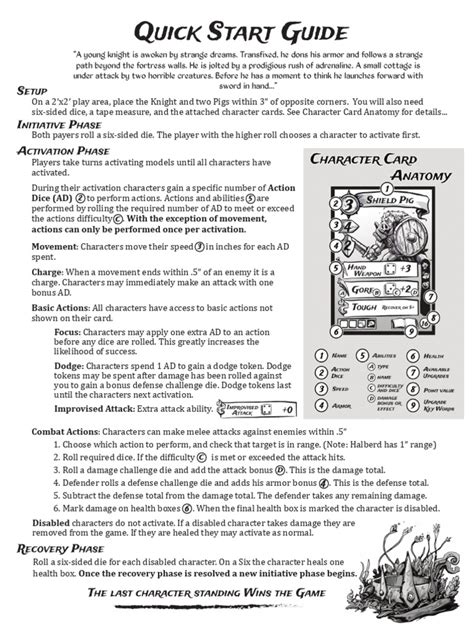
Text alone can only go so far. Incorporate screenshots, diagrams, flowcharts, or even short video clips (conceptually, as this is a text guide) that visually demonstrate what you’re explaining. If you’re describing how to execute a combo, show the button presses and the resulting animation. If you’re explaining a UI element, provide a labeled screenshot. Practical, step-by-step examples are crucial. Instead of just saying “use cover,” show a character behind cover with an explanation of why it’s effective.

5. Break Down Practice and Provide Context
Learning a complex game often requires practice. Structure your guide to encourage hands-on application. After explaining a concept, suggest a simple exercise or a safe in-game scenario where the player can immediately try it out. Furthermore, explain the why behind a mechanic. Why is this stat important? Why should I prioritize this action? Understanding the context and impact of their actions empowers players to make informed decisions rather than just blindly following instructions.

6. Use Clear, Concise Language and Formatting
Avoid overly technical jargon unless absolutely necessary and, if so, define it. Use short sentences and paragraphs. Employ formatting like bullet points, numbered lists, bold text, and headings to break up large blocks of text and make the guide scannable. A clear structure helps players quickly find the information they need and makes the learning process less daunting. Remember, simplicity is key; don’t try to impress with vocabulary, but rather with clarity.
![🔥 [90+] Crystal Clear Wallpapers | WallpaperSafari](/images/aHR0cHM6Ly90czQubW0uYmluZy5uZXQvdGg/aWQ9T0lQLnEtaXpYeFhoYWJGdW81bXNlNmd5WFFIYUVvJnBpZD0xNS4x.webp)
Conclusion: Empowering the New Player Journey
Breaking down complex game concepts for new players is an art form that blends empathy with clear communication. By assuming nothing, building knowledge incrementally, using relatable analogies, providing strong visual and practical examples, and structuring information thoughtfully, you can transform intimidating mechanics into accessible challenges. An effective beginner guide not only teaches the game but also nurtures a new player’s enjoyment and encourages them to dive deeper into the rich world you’ve introduced.