How to break down advanced game strategies into digestible beginner guides?

The Challenge of Bridging the Skill Gap
For seasoned gamers, advanced strategies can feel like second nature. Yet, for newcomers, these intricate maneuvers and decision-making trees often resemble an insurmountable wall. The goal of a great guide isn’t just to explain what to do, but to illuminate the ‘why’ and the ‘how’ in a way that builds foundational understanding. Breaking down advanced game strategies into digestible beginner guides requires a systematic approach, empathy for the learner, and a knack for clear communication.
Understand Your Audience’s Starting Point
Before you even begin dissecting a strategy, put yourself in a beginner’s shoes. What terms are unfamiliar? What core mechanics might they not grasp? Avoid jargon or explain it clearly. Assume zero prior knowledge beyond the absolute basics of how to control the game. A guide that talks down to players will alienate them, but one that overestimates their current understanding will overwhelm.
Deconstruct the Advanced Strategy Piece by Piece
Every advanced strategy is a collection of simpler components working in harmony. Your task is to untangle this complexity. Identify the core concepts, the micro-decisions, and the key mechanics that form the backbone of the strategy. Think of it like reverse-engineering a complex machine.
Identify Core Concepts
What fundamental ideas underpin the strategy? Is it resource management, positioning, timing, or specific character abilities? Isolate these core pillars and define them in simple terms.
Break Down into Micro-Decisions
Advanced play often involves a rapid sequence of small decisions. Instead of presenting the whole sequence, break it into individual ‘if-then’ scenarios. What’s the optimal decision when situation A arises? What about situation B?
Isolate Key Mechanics
Many advanced strategies rely on a deep understanding of specific game mechanics. Highlight these mechanics and explain them thoroughly, perhaps even demonstrating their impact in isolation before reintegrating them into the larger strategy.
Simplify and Explain Clearly
Once you’ve deconstructed the strategy, the next step is to rebuild it in a simplified, pedagogical manner. This is where your communication skills shine.
Use Analogies and Metaphors
Relate complex game concepts to real-world scenarios or other common experiences. A complex economic system in a game might be compared to running a small business, or tactical positioning to a game of chess. This helps bridge the gap between unfamiliar game logic and familiar understanding.
Visual Aids (Even Conceptual Ones)
While you might not embed actual images or videos in every guide, conceptualizing how visual aids would help is crucial. Think about diagrams, flowcharts, or annotated screenshots. Even without actual graphics, describing these ‘visuals’ in text can clarify complex interactions.
Step-by-Step Instructions
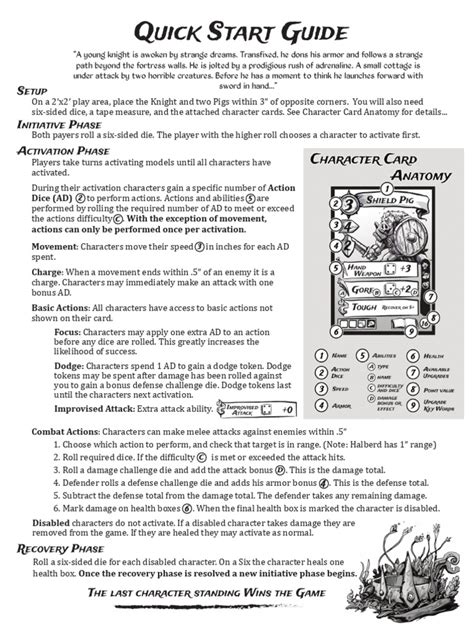
Present the strategy as a series of actionable steps. Numbered lists are your best friend. Start with the earliest phase of the strategy and progress logically, making sure each step builds upon the last.
Structure Your Guide for Optimal Learnability
How you organize the information is just as important as the information itself.
Start with Basics, Build Up
Always begin with the absolute prerequisites. Before explaining advanced unit control, ensure the player understands basic unit movement. Gradually introduce complexity, reinforcing earlier lessons.
Practical Examples and Scenarios
Theoretical knowledge is good, but practical application is better. Provide concrete examples of the strategy in action. Describe common in-game scenarios where the strategy is applicable and walk the reader through its execution.
Practice Exercises or Drills
Suggest specific ways players can practice the individual components of the strategy. Can they go into a training mode? Try a specific challenge? Break down the practice into manageable chunks.
Reinforce and Test Understanding
Learning is an iterative process. Help your readers solidify their newfound knowledge.
Summaries and Checklists
At the end of a section or the guide, provide a concise summary of key takeaways. A checklist of actions or considerations can serve as a quick reference during gameplay.
Q&A Sections (Conceptual)
Anticipate common questions or misunderstandings beginners might have and address them. This shows foresight and proactively resolves potential stumbling blocks.
Iterative Learning
Encourage players to revisit the guide as they gain experience. What seems complex initially might click after some hands-on practice, and a second read can reveal new insights.
Maintain Engagement and Motivation
Learning complex strategies can be daunting. Keep your tone encouraging and positive.
Celebrate small victories and acknowledge that mastery takes time and practice. Frame challenges as opportunities for growth rather than insurmountable obstacles. A supportive tone can make a significant difference in a beginner’s willingness to persevere.

Conclusion
Transforming an advanced game strategy into a beginner-friendly guide is an art form. It demands patience, clarity, and a deep understanding of both the game and the learning process. By systematically deconstructing complexity, explaining concepts simply, structuring information logically, and fostering an encouraging environment, you empower new players to not just understand, but truly master the intricate world of advanced gameplay. This ultimately enriches their gaming experience and strengthens the entire community.