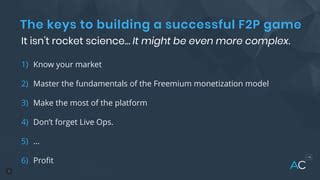
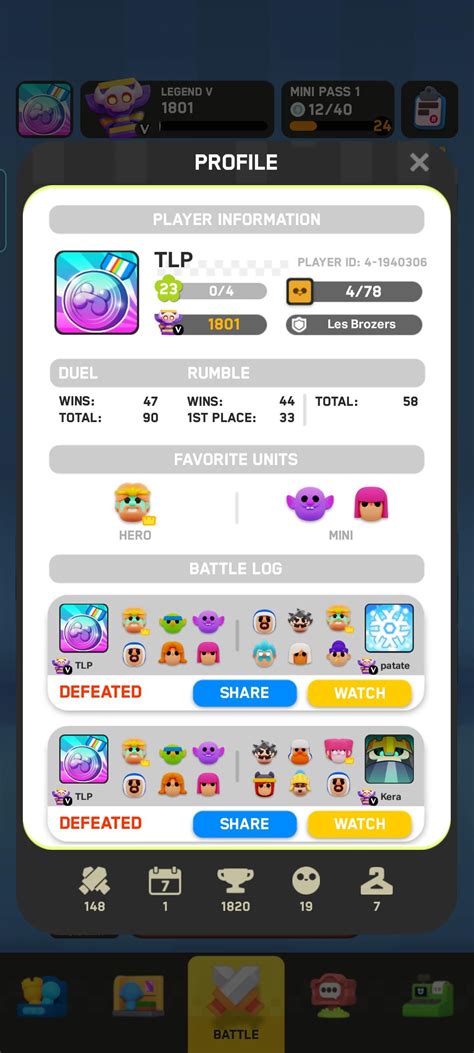
How to boost F2P retention past D7?
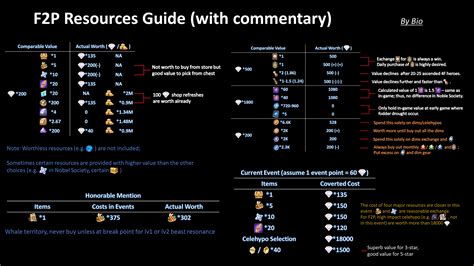
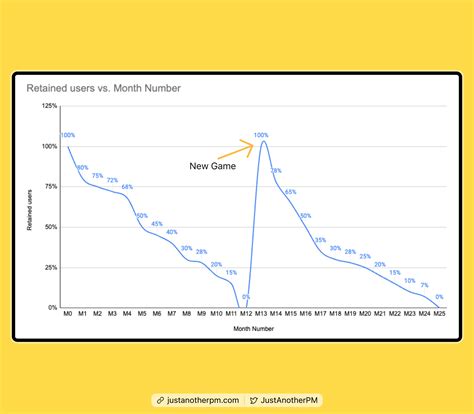
The Day 7 mark is a critical benchmark for Free-to-Play (F2P) games. While attracting initial players is one challenge, keeping them engaged beyond the first week presents an even greater hurdle. A significant drop-off often occurs around D7, making sustained retention a key indicator of a game’s long-term success and monetization potential. Understanding why players churn after a week and implementing targeted strategies can dramatically improve these crucial metrics.
Understanding the D7 Drop-off
Many factors contribute to players abandoning a game after approximately seven days. Initial novelty might wear off, the core loop might feel repetitive, or the player might hit a ‘progression wall’ where the next goal feels too distant or grindy. Other reasons include a lack of social connection, competing interests, or simply not finding enough depth to justify continued investment. Identifying these pain points through analytics and player feedback is the first step toward crafting effective retention strategies.
Deepening Player Investment & Progression
Beyond the initial tutorial and early game, F2P titles need compelling long-term progression systems. This isn’t just about bigger numbers; it’s about meaningful goals, diverse paths to advancement, and a sense of constant discovery. Implement robust meta-game loops, introduce new game modes, characters, or abilities that unlock gradually, and ensure the reward system feels fair and motivating. Gating content effectively and offering a clear, yet challenging, path forward prevents players from feeling like they’ve seen everything too soon.
Consider systems that encourage daily engagement without feeling like a chore, such as daily quests, login bonuses, or short-term events that tie into long-term goals. These small, frequent wins contribute to a sense of ongoing accomplishment and keep players coming back for more.

Power of Community and Social Features
Humans are social creatures, and integrating strong social features can significantly boost retention. Guilds, clans, co-op modes, competitive leaderboards, and chat functionalities transform a solitary experience into a shared journey. When players form bonds or rivalries within the game, they gain an external reason to return. The desire not to let down guildmates or the thrill of competing against friends can be powerful motivators.
Design features that encourage positive social interaction and provide tools for players to self-organize. This could include shared guild objectives, gift-giving systems, or even simply prominent displays of friend activity. A thriving in-game community is a robust defense against churn.
Live Operations and Dynamic Content
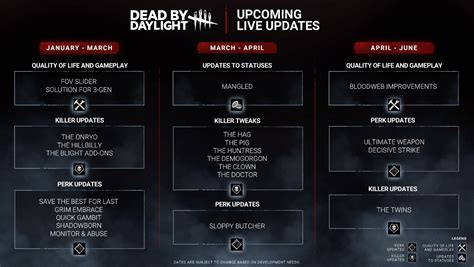
A static game eventually becomes a stale game. Live operations (LiveOps) are crucial for injecting fresh content, events, and challenges regularly. Seasonal events, limited-time game modes, new character releases, or competitive tournaments keep the game world dynamic and give players new reasons to log in. These events often come with unique rewards, adding another layer of desirability.
Effective LiveOps aren’t just about content drops; they involve constant communication with the player base, collecting feedback, and making iterative improvements. Transparent roadmaps and developer interaction foster trust and show players that their investment in the game is valued.
Personalization and Data-Driven Strategies
Not all players are alike, and treating them as such can lead to missed retention opportunities. Leveraging player data to offer personalized experiences can be incredibly effective. This might include tailored push notifications based on their play style, customized in-game offers, or content recommendations aligned with their past behavior. Understanding player segments (e.g., lapsed players, whales, casuals) allows for targeted interventions.
A/B testing different features, onboarding flows, and communication strategies is vital. Continuously analyze data to identify where players drop off, what features are most engaging, and how changes impact retention metrics. This iterative, data-driven approach ensures that retention efforts are not just guesswork but informed decisions.
Conclusion
Boosting F2P retention past Day 7 is a multifaceted challenge that demands a holistic approach. By understanding the reasons for early churn, building deep and varied progression systems, fostering vibrant communities, maintaining dynamic content through LiveOps, and personalizing player experiences with data, game developers can significantly extend player lifecycles. It’s an ongoing process of listening, analyzing, and adapting, but the rewards of a loyal and engaged player base are well worth the effort.