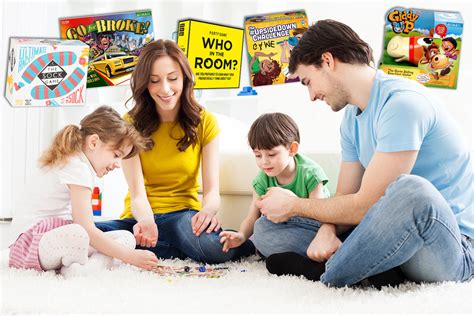
How to balance skill levels in cozy family games for max fun?

Family game nights are a cherished tradition, a perfect opportunity to connect, laugh, and create lasting memories. However, the joy can sometimes be dampened when there’s a significant disparity in skill levels among players. Whether it’s a seasoned gamer playing with a beginner, or an adult trying to keep things fun for a younger child, balancing the playing field is key to maximizing enjoyment for everyone. The goal isn’t always about who wins, but how much fun is had along the way.
Choosing the Right Games for Inclusive Fun
The first step to a harmonious game night often lies in game selection. Some games are inherently more accommodating to varying skill levels than others. Look for cooperative games where everyone works together against the game itself, like Pandemic (for older families) or Forbidden Island (more accessible). Dexterity games (e.g., Jenga, Rhino Hero) often level the playing field as they rely more on physical coordination than strategic prowess. Additionally, games that incorporate a good deal of luck can also help, as luck can sometimes bridge skill gaps.

Implementing Clever House Rules and Handicaps
Sometimes, your favorite games might need a little tweaking to ensure everyone has a fair shot. Don’t be afraid to introduce “house rules” or handicaps tailored to your family’s needs. For younger children or less experienced players, consider giving them a head start (extra resources, bonus points), allowing them to redraw cards, or giving them an extra turn. For competitive adults, you might impose limitations, such as “no using X strategy” or forcing them to play with their non-dominant hand for certain actions. Open communication about these adjustments ensures they are perceived as fair and fun, not punitive.

Embracing Team Play and Mentorship
Team-based games are excellent for balancing skills. Pair an experienced player with a novice, or an adult with a child. This setup allows for natural mentoring, where stronger players can offer guidance, help strategize, and gently teach the game’s nuances without dominating the play. Collaborative play fosters communication and strengthens bonds, turning potential frustration into shared success. Rotate partners periodically to give everyone a chance to experience different roles and learn from various perspectives.

Shifting the Focus from Winning to Enjoyment
Perhaps the most crucial strategy for balanced fun is a collective mindset shift. While friendly competition is healthy, emphasizing winning above all else can quickly lead to tears or disengagement, especially for younger players or those still learning. Encourage a focus on participation, strategy exploration, funny moments, and the sheer joy of spending time together. Celebrate effort, good sportsmanship, and creative plays, regardless of who ultimately “wins.” Frame the game as an experience, not just a competition.

Post-Game Reflections and Future Planning
After the game, take a moment to discuss what went well and what could be improved. Ask everyone what they enjoyed and if there were any parts that felt unfair or frustrating. This feedback is invaluable for future game nights. It allows you to refine house rules, select better-suited games, or adjust team pairings. The goal is continuous improvement in fostering an inclusive and fun environment where every family member feels valued and engaged.

Balancing skill levels in cozy family games isn’t about eliminating competition entirely, but rather about consciously creating an environment where everyone can thrive and feel part of the fun. By thoughtfully selecting games, implementing flexible house rules, fostering teamwork, and prioritizing shared enjoyment over victory, you can transform potential challenges into opportunities for deeper connection and truly memorable family moments. After all, the best game nights are those where everyone leaves with a smile.