How to balance skill levels in cozy family co-op games?
Navigating Diverse Skill Sets in Family Fun
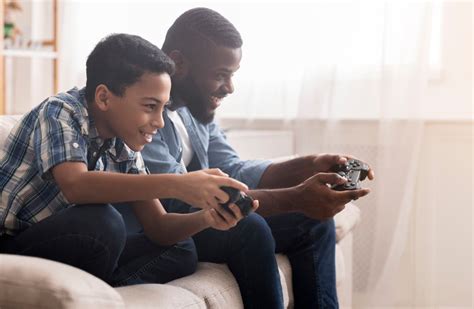
Cozy family co-op games are a fantastic way to bond, create shared memories, and unwind together. However, one common challenge arises when family members have widely differing skill levels – perhaps a seasoned gamer parent playing with a younger child, or a quick-thinking teenager with a more casual grandparent. The goal of these games is usually connection and enjoyment, not competitive stress, so ensuring everyone feels engaged and not frustrated is paramount. Achieving this balance means being strategic about game choice and how you play.
Choosing Games with Built-In Inclusivity
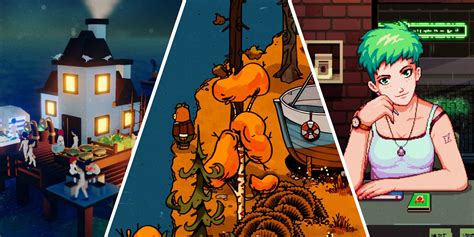
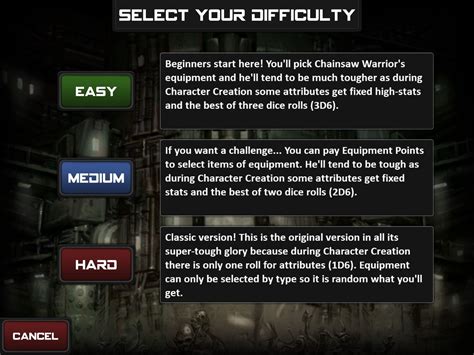
The first step to a harmonious co-op experience lies in game selection. Look for titles that inherently cater to a range of abilities. Games with asymmetrical roles, for instance, allow different players to contribute in unique ways; one might focus on exploration, another on simple actions, while a third handles complex puzzles. Many modern cozy co-op games also feature adaptive difficulty settings, shared resources (like lives or currency), or no-fail states, which remove the pressure of ‘losing’ and allow everyone to progress at their own pace.
Consider games where success isn’t solely dependent on twitch reflexes or deep strategic understanding. Puzzle games that require collective thinking, exploration games focused on discovery, or creative building games can often be more forgiving and inclusive than action-heavy titles. Researching game mechanics and reading reviews with an eye towards accessibility can save a lot of potential frustration down the line.
Implementing Smart In-Game Strategies
Once you’ve chosen a game, there are several practical strategies to employ during gameplay to bridge skill gaps:
- Designated Roles: Assign roles based on strengths. The more experienced player might take on trickier navigation or combat, while a less experienced player handles item collection, simple interactions, or reading objectives aloud.
- Handicaps and Boosts: In some games, you can subtly handicap stronger players (e.g., they only use one hand, avoid certain power-ups) or give boosts to less experienced players (e.g., guiding them to easier tasks, letting them make the final boss hit).
- Shared Responsibility: For tasks that require precision, take turns. Let the less skilled player try, and if they struggle, the more skilled player can step in to complete that specific segment, ensuring progress without making anyone feel inadequate.
- “Think Aloud” Coaching: Experienced players can narrate their thought process, explaining why they’re doing something. This educates and empowers newer players without making them feel directed.
Fostering a Positive and Encouraging Environment
Beyond game mechanics, the most crucial element is the atmosphere you cultivate at the gaming table. Remember, the primary goal is fun and togetherness. Patience is key – allow mistakes without judgment. Offer specific, positive feedback (“Great job finding that item!” or “Nice try with that jump!”) rather than generalized criticism.
Shift the focus from “winning” or “optimal play” to shared laughter and collective problem-solving. Celebrate small victories together, even if they’re just successfully navigating a simple obstacle. Encourage communication, not just about game objectives, but also about how everyone is feeling and what they’re enjoying. If someone is getting frustrated, take a break or switch to a less demanding activity. The goal is to make everyone feel like a valuable contributor, regardless of their individual performance.

Conclusion: The Art of Harmonious Play
Balancing skill levels in cozy family co-op games is an art that combines thoughtful game selection, clever in-game tactics, and most importantly, a commitment to creating an inclusive and encouraging environment. By consciously addressing these elements, families can transform potential frustrations into truly rewarding shared experiences. When everyone feels valued and enjoys the journey, the game successfully achieves its ultimate purpose: bringing people closer together, one cozy co-op adventure at a time.