How to balance detailed info with beginner-friendly steps in game ‘how-to’ guides?

Creating comprehensive ‘how-to’ guides for video games presents a unique challenge: how do you cater to absolute beginners who need hand-holding through basic mechanics, while simultaneously satisfying veteran players who crave intricate details, optimal strategies, and advanced techniques? The key lies in strategic information design, ensuring clarity and accessibility without sacrificing depth.
Understanding Your Diverse Audience
Your guide will likely be read by at least two distinct groups. Beginners are often overwhelmed by jargon, complex systems, and too much information upfront. They need simple, sequential steps to get started. Experienced players, however, might skim past basic instructions, looking specifically for nuanced explanations, statistical breakdowns, or advanced tactics that improve their efficiency or understanding of complex game systems.

Strategies for Layered Information Delivery
1. Progressive Disclosure: Start Simple, Allow Deeper Dives
Present core information first, then offer pathways to more detailed explanations. This could mean starting with the absolute basics (e.g., “how to move”), then introducing more complex interactions (e.g., “advanced movement techniques”) in a separate section or as an optional read. Use ‘Learn More’ links or expandable sections if publishing online.
2. Clear Structure and Navigation
Utilize headings (H2, H3), subheadings, bullet points, and numbered lists to break down content. A table of contents at the beginning is invaluable, allowing users to jump directly to relevant sections. This serves both audiences: beginners can follow the guide sequentially, while advanced players can quickly pinpoint the information they need.
3. Leverage Visual Aids and Examples
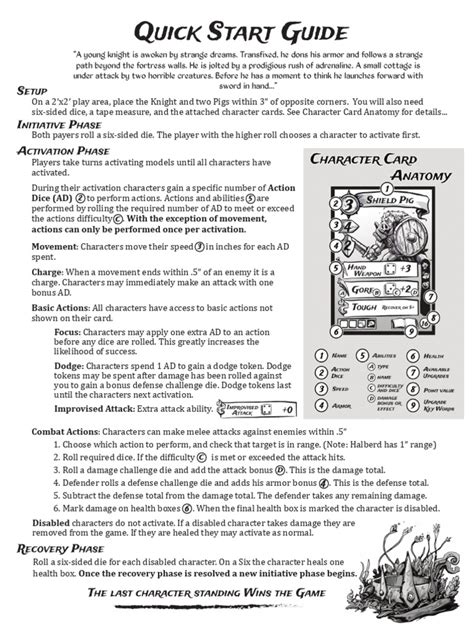
Screenshots, diagrams, and short video clips can convey complex information far more effectively than text alone, especially for visual learners. Show, don’t just tell. For beginners, visuals clarify steps; for advanced players, they can illustrate specific scenarios or intricate setups.
4. Glossaries and Tooltips
For game-specific jargon, create a glossary of terms. For online guides, implement tooltips that appear when hovering over a term, offering a quick definition without disrupting the flow for those who already know it. This keeps the main text clear for beginners while still providing definitions for those who need them.

5. Dedicated Advanced Sections or Appendices
Don’t be afraid to create entirely separate sections for ‘Advanced Tactics,’ ‘Optimal Builds,’ ‘Statistical Breakdowns,’ or ‘Endgame Strategies.’ Clearly label these, so beginners know they can skip them initially, and veterans know exactly where to find the detailed information they seek.

Practical Implementation Tips
- Use Clear, Concise Language: Avoid overly technical jargon where possible, or explain it immediately.
- Focus on ‘Why’ as well as ‘How’: Explaining the reasoning behind a step or strategy can be beneficial for both learning and retention.
- Test with Real Users: Have someone unfamiliar with the game try to follow your guide. Their feedback will highlight areas where clarity is lacking for beginners.
- Iterate and Update: Games evolve. Be prepared to update your guides as patches or new content change mechanics or optimal strategies.

Conclusion
Balancing detailed information with beginner-friendly steps in game ‘how-to’ guides is an art form that requires careful planning and a deep understanding of your audience. By employing strategies like progressive disclosure, clear structural design, visual aids, and dedicated sections, you can create guides that are invaluable resources for players of all skill levels, enriching their gaming experience without overwhelming them.