How to balance detail with brevity in a beginner guide for a new MOBA player?
Introducing a new player to the complex world of Multiplayer Online Battle Arenas (MOBAs) is a daunting task. These games are renowned for their steep learning curves, intricate mechanics, and vast rosters of characters and items. The challenge for any guide writer is to provide enough detail to be genuinely helpful without overwhelming the novice, turning a potentially exciting entry into a frustrating exit. Achieving this balance requires strategic content selection, clear organization, and a deep understanding of a beginner’s perspective.
Understand Your Audience: The True Novice
Before writing a single word, step into the shoes of someone who knows absolutely nothing about MOBAs. They might not understand terms like ‘last hitting,’ ‘ganking,’ ‘warding,’ or even basic lane assignments. Your primary goal isn’t to make them a pro, but to make them comfortable enough to play their first few games without feeling completely lost or like a burden to their team. Focus on core concepts and the immediate actions they can take to contribute.
Core Principles for Brevity and Clarity
To avoid information overload, adhere to a few guiding principles. Firstly, embrace the ‘less is more’ philosophy; every piece of information should earn its place. Secondly, prioritize understanding over memorization. Explain why certain actions are beneficial, not just what to do. Lastly, adopt an incremental learning approach, introducing concepts layer by layer rather than all at once. Start with fundamental game flow before diving into nuanced strategies.
Strategic Content Selection: What to Include?
Focus on the absolute essentials that will get a player into a game and help them understand its basic rhythm. This includes:
- Winning Condition: How do you actually win the game? (e.g., destroy the enemy’s main structure).
- Basic Map Layout: Lanes, jungle, base, and perhaps a key objective or two (e.g., Roshan/Baron).
- Role Overview: A simplified explanation of common roles (e.g., damage dealer, tank, support) and their general goals.
- First 5-10 Minutes: What should a player be doing right after the game starts? (e.g., picking a starting item, going to their lane, focusing on minion last hits).
- Fundamental Controls: Movement, attacking, using abilities, accessing the shop.
- Basic Item Philosophy: Why do items matter, and what’s a simple, reliable starting build for a chosen starter hero?
- Communicating: How to use pings and simple chat for basic coordination.
What to Omit (or Defer)?
Just as important as what to include is what to leave out. Advanced topics that can be overwhelming for a beginner include:
- Complex hero-specific mechanics or advanced combos.
- Detailed item builds for every situation or specific counter-items.
- Intricate jungle pathing or advanced warding spots.
- In-depth meta discussions or advanced teamfight strategies.
- Precise statistics, scaling, or damage calculations.
These are topics for intermediate guides. For a beginner, simply knowing to buy *some* items that fit their hero is enough.

Structuring for Success
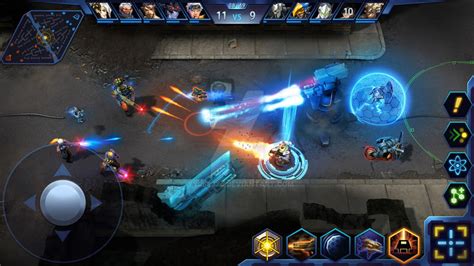
The presentation of information is crucial. Use clear headings, bullet points, and short paragraphs to break up text. Visual aids, such as simplified map diagrams or screenshots highlighting key UI elements, can be incredibly effective. Consider using a ‘walkthrough’ style for the first few minutes of a game, guiding the player step-by-step through their initial actions. Numbered lists for processes or a FAQ section for common beginner questions can also enhance readability.

Language, Tone, and Encouragement
Write in simple, straightforward language, avoiding jargon whenever possible. If a technical term must be used, explain it briefly. Maintain an encouraging and patient tone. Acknowledge the game’s complexity but reassure the player that improvement comes with practice. Highlight that making mistakes is part of the learning process and that the goal is to have fun while getting the hang of things.
Iteration and Feedback
The best way to ensure your guide hits the mark is to test it. Have actual MOBA beginners read and try to follow your guide. Observe their reactions, identify points of confusion, and gather their feedback. This iterative process is invaluable for refining your guide, cutting unnecessary details, and clarifying obscure explanations. What seems obvious to you, the experienced player, might be a complete mystery to a newcomer.

Ultimately, balancing detail with brevity in a beginner MOBA guide is about empathy. It’s about remembering what it felt like to be completely new and designing a pathway that feels manageable and empowering, not intimidating. By focusing on core concepts, structuring information logically, and maintaining a supportive tone, you can create a guide that successfully introduces new players to the thrilling world of MOBAs without drowning them in data.