How to avoid predatory monetization tactics in free mobile games?

The Allure and the Trap: Understanding Free Mobile Games
Free mobile games have become a ubiquitous form of entertainment, offering instant access to countless digital worlds directly from our pockets. However, beneath the veneer of ‘free’ often lies a complex web of monetization strategies, some of which can be exploitative or predatory. These tactics are designed to convert playtime into profit, sometimes at the expense of player enjoyment and financial well-being. Understanding how these mechanisms work is the first step in safeguarding your gaming experience and your wallet.
What Exactly Are Predatory Monetization Tactics?
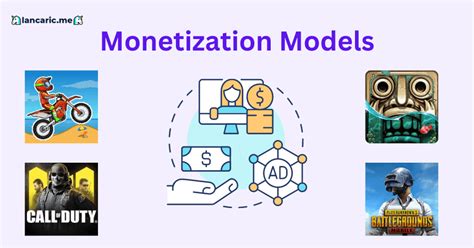
Predatory monetization tactics are game design choices specifically engineered to pressure players into spending money, often through psychological manipulation, artificial roadblocks, or deceptive practices. Unlike fair monetization, which offers genuine value for optional purchases, predatory tactics aim to create problems only solvable by spending, or exploit player vulnerabilities like impatience, competitiveness, or the fear of missing out (FOMO).
- Pay-to-Win (P2W): Gating essential progress or competitive advantage behind real money purchases.
- Loot Boxes/Gacha Mechanics: Gambling-like systems where players spend money for random rewards, often with low chances of getting desirable items.
- Energy/Stamina Systems: Artificial timers or resource caps that halt gameplay unless refreshed with real money.
- Aggressive Pop-ups & Ads: Intrusive advertisements and constant prompts to buy bundles or subscriptions.
- Psychological Manipulation: Using limited-time offers, “fake sales,” or exploiting the sunk cost fallacy to encourage spending.

Identifying the Red Flags Before You Dive In
Spotting these tactics early can save you frustration and money. Here are key indicators to watch out for:
- Overly Generous Early Game: Many predatory games start very easy and give abundant rewards, only to hit steep difficulty walls or resource shortages later, pushing for purchases.
- Constant Pressure to Buy: Persistent pop-ups, notifications, and “special offers” that cover your screen or interrupt gameplay.
- Unfair Difficulty Spikes: Situations where progression becomes extremely slow or impossible without purchasing upgrades, resources, or specific items.
- Obscured Pricing & Value: Complex in-game currencies, multiple conversion rates, and confusing bundle deals designed to make it hard to gauge real money value.
- “Limited-Time” Offers That Reappear: Deals marketed as exclusive or expiring soon, only to reappear identical a few days later, exploiting FOMO.

Effective Strategies to Avoid the Trap
Empowering yourself against predatory monetization involves a combination of awareness and practical steps:
Do Your Research
Before downloading, read reviews beyond the app store. Look for articles, forums, and YouTube videos discussing the game’s monetization model. Pay particular attention to reviews from long-term players that mention “pay-to-win,” “greedy,” or “resource starved.”
Set Strict Spending Limits (or None at All)
Decide beforehand how much (if any) you are willing to spend on a mobile game. For many, the answer should be zero. Utilize parental controls or device settings to disable in-app purchases entirely if you’re prone to impulse spending.

Understand In-Game Currencies
Learn to differentiate between “hard currency” (bought with real money) and “soft currency” (earned through gameplay). Be wary of games that primarily push you to spend hard currency for basic progression or essential items. Always calculate the real-world cost of in-game purchases to assess their true value.
Be Wary of “Free” Gifts and “Essentials”
Sometimes games offer a small amount of premium currency or an essential item for free, just enough to get you hooked or show you what you’re missing. Recognize this as a common tactic to introduce you to the spending cycle. Similarly, beware of items marketed as “essential” to progress; often, they are merely shortcuts around artificial barriers.

Practice Psychological Self-Defense
Recognize when a game is trying to manipulate your emotions. Are you feeling rushed? Anxious about missing out? Frustrated by slow progress? These are often signs that predatory tactics are at play. Take a break, reassess, and remember that real-world money is always more valuable than virtual trinkets or temporary progression.
Prioritize Ethical Games
Support developers who prioritize fair monetization. These games often offer cosmetic-only purchases, one-time unlock fees, or subscription models that clearly outline what you get for your money without creating artificial barriers. Word-of-mouth and community recommendations are excellent ways to find these gems.
Enjoying Mobile Games on Your Terms
While the landscape of free mobile games can be fraught with monetization pitfalls, an informed player is an empowered player. By understanding the common tactics, recognizing red flags, and adopting smart spending habits, you can navigate these digital worlds without falling prey to exploitation. Choose games that respect your time and your wallet, and always prioritize your enjoyment over artificial pressures to spend.