How to avoid predatory F2P mobile game monetization traps?
Understanding the Lure of Free-to-Play
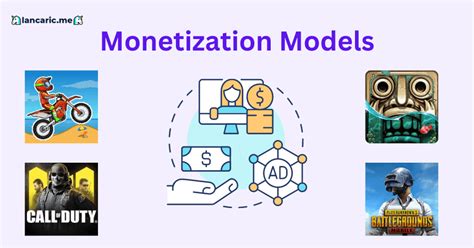
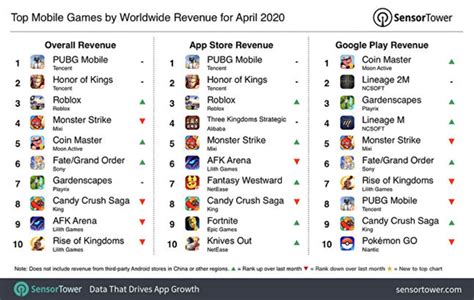
Free-to-Play (F2P) mobile games have revolutionized the gaming landscape, offering instant access to entertainment without an upfront cost. Millions worldwide enjoy these titles, from casual puzzles to complex RPGs. However, the ‘free’ aspect can be deceptive. While downloading and playing initially costs nothing, these games are meticulously designed to generate revenue, often through various monetization strategies.
Many F2P games employ fair and ethical models, such as cosmetic-only purchases or optional ads. The challenge lies in distinguishing these from games that utilize manipulative or predatory tactics, aiming to coerce players into spending money, sometimes significant amounts, by exploiting psychological vulnerabilities.

Identifying Common Predatory Monetization Traps
Recognizing these traps is the first step to avoiding them. Here are some of the most prevalent:
1. Pay-to-Win (P2W) Mechanics
This is perhaps the most direct predatory model. P2W games offer in-game advantages – stronger gear, faster progression, exclusive characters – that can only be obtained, or are significantly easier to obtain, by spending real money. This creates an uneven playing field, pushing players to pay to keep up or remain competitive.
2. Gacha Systems and Loot Boxes
Inspired by Japanese capsule toy machines, gacha mechanics involve spending premium currency (often bought with real money) for a random chance to win desirable in-game items or characters. These are essentially digital slot machines, leveraging psychological principles of gambling, scarcity, and anticipation. The odds are often heavily skewed against the player, leading to repeated spending in pursuit of a rare item.
3. Energy Systems and Time Gates
Many F2P games implement ‘energy’ or ‘stamina’ systems that limit how much you can play consecutively. Once your energy runs out, you either wait for it to recharge (which can take hours) or pay to instantly refill it. Similarly, ‘time gates’ force you to wait for upgrades or constructions to complete, with an option to speed them up using premium currency. These tactics prey on impatience and the desire for continuous engagement.

4. Fear Of Missing Out (FOMO) and Scarcity
Limited-time offers, daily login bonuses that reset if you miss a day, battle passes with expiring rewards, and exclusive items available only for a short period are all designed to create FOMO. This pressure encourages impulsive purchases, making players feel they’ll miss out on a valuable opportunity if they don’t spend now.
5. Dark Patterns and Deceptive UI
Dark patterns are user interface choices designed to trick users into doing things they might not otherwise do. This can include making purchases difficult to cancel, presenting premium offers more prominently than free options, or using confusing language to obscure costs. Another common tactic is offering seemingly great ‘starter bundles’ that hook players into spending early.
Strategies to Protect Your Wallet and Sanity
Navigating the F2P landscape safely requires awareness and discipline. Here’s how you can protect yourself:
1. Set a Strict Budget (and Stick to It)
Before you even download a game, decide how much (if anything) you’re willing to spend on mobile games per month. Treat it like any other entertainment budget. If you exceed it, stop playing or spending immediately.
2. Research Reviews and Community Feedback
Before investing time or money, check app store reviews, gaming forums, and specialized gaming websites. Look for mentions of aggressive monetization, P2W complaints, or excessive gacha mechanics. The gaming community is often quick to call out unfair practices.
3. Understand Game Mechanics Before You Commit
Play for a few hours (or days) without spending any money. This will give you a feel for how essential premium currency is, whether progression is severely hampered without spending, and if the game feels genuinely fun or constantly nudging you towards purchases.
4. Resist the Urge of FOMO
Don’t let limited-time offers or the fear of missing out pressure you into hasty decisions. Most ‘exclusive’ items or ‘one-time deals’ will either return in a different form or aren’t as essential as they seem. Patience is a virtue in F2P gaming.
5. Utilize Parental Controls and Purchase Locks
If you have children who play mobile games, or if you find yourself struggling with impulsive purchases, activate parental controls and require passwords for all in-app purchases on your device. This adds an extra barrier against accidental or regretful spending.
6. Take Regular Breaks and Reflect
Step away from the game periodically. This helps break addictive loops and allows you to evaluate whether your continued engagement (and potential spending) is driven by genuine enjoyment or by the game’s manipulative design. Ask yourself if the fun is worth the potential cost.
Enjoying Mobile Gaming Responsibly
F2P mobile games can provide countless hours of entertainment. By being informed about predatory monetization tactics and employing smart strategies, you can enjoy these games without falling into expensive traps. Prioritize your well-being and financial health, and choose games that respect your time and money, offering a truly ‘free’ and enjoyable experience.