How to avoid pay-to-win traps and find truly fair mobile games?
Navigating the Mobile Gaming Minefield
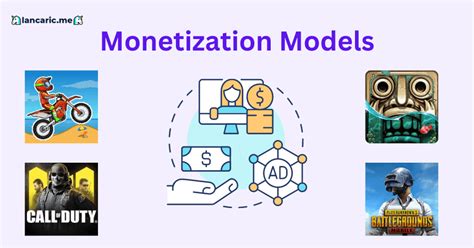
Mobile gaming has revolutionized entertainment, offering vast worlds and quick diversions right in our pockets. However, this convenience often comes with a hidden cost: the pervasive ‘pay-to-win’ (P2W) model. Designed to incentivize spending real money for in-game advantages, P2W traps can quickly turn an enjoyable experience into a frustrating grind or an expensive habit. Understanding how to spot and avoid these predatory tactics is crucial for any discerning mobile gamer.
What Exactly is Pay-to-Win (P2W)?
At its core, pay-to-win refers to games where players can gain a significant, often insurmountable, advantage over non-paying players by spending real money. This isn’t just about speeding up progress; it’s about buying power, strength, exclusive gear, or resources that are either impossible or exceedingly difficult to obtain through gameplay alone. While many free-to-play (F2P) games offer in-app purchases (IAPs), P2W goes a step further by making these purchases essential for competitive success or even basic progression, rather than purely cosmetic or convenience-based.

Red Flags: Spotting P2W Mechanics
Identifying P2W elements before investing time (and potentially money) is key. Look out for these common red flags:
- Aggressive Pop-ups & Limited-Time Offers: Constant notifications pushing you to buy bundles, ‘starter packs,’ or ‘daily deals’ that promise significant power boosts.
- Energy Systems & Timers: Mechanics that artificially limit your playtime or force you to wait hours (or pay to skip) for basic actions like building, crafting, or healing.
- Stat-Boosting Purchases: Direct sales of powerful weapons, armor, characters, or upgrades that grant a clear combat advantage.
- Gacha/Loot Box Systems for Power: Random draw mechanics where the best items or characters are only available through spending, with abysmal drop rates.
- Unfair PvP Matchmaking: Being consistently matched against players with vastly superior gear or stats, clearly indicating they’ve paid to power up.
- Slow, Grinding Progression: Game progression designed to be excruciatingly slow and tedious for F2P players, making paid shortcuts seem irresistible.
Strategies to Avoid P2W Traps
With a critical eye, you can bypass most P2W pitfalls:
- Do Your Research: Before downloading, check reviews on app stores, YouTube, Reddit, and gaming forums. Players are often vocal about P2W practices.
- Examine Monetization Early: Play for a few hours. Does the game start pressuring you to spend money almost immediately? Are core mechanics paywalled?
- Prioritize Skill Over Spend: Look for games where success is determined by player skill, strategy, and dedication, rather than the size of one’s wallet.
- Understand F2P vs. Pay-to-Progress: Not all F2P games are P2W. Many offer purely cosmetic IAPs or quality-of-life improvements that don’t impact competitive balance. Distinguish these from games that gate actual power.
- Be Skeptical of ‘Free’ Promises: If a game seems too good to be true for free, it often is. There’s usually a catch in its monetization strategy.

Finding Truly Fair Mobile Games
Fair mobile games do exist, offering engaging experiences without predatory monetization. Here’s how to find them:
Look for Premium/Pay-Once Titles
Many developers offer full games for a single upfront purchase. These often provide a complete, ad-free, and IAP-free experience, similar to console or PC games. While the initial cost might seem higher, it guarantees no hidden P2W elements.

Embrace Subscription Services
Platforms like Apple Arcade and Google Play Pass offer access to a curated library of premium games for a monthly fee. These games are guaranteed to be free of ads and in-app purchases, providing excellent value and peace of mind.
Seek Out Cosmetic-Only Monetization
Some F2P games monetize through purely cosmetic items like skins, emotes, or aesthetic upgrades. These allow players to support the developers while having no impact on gameplay balance or power progression.
Explore Indie Developers
Independent developers often prioritize unique gameplay and player experience over aggressive monetization. Their games might not have AAA graphics but often offer refreshing, fair gameplay loops.

Focus on Single-Player Experiences
Games without a competitive multiplayer component are less likely to incorporate P2W elements, as there’s no direct competition to gain an advantage over. Story-driven RPGs, puzzle games, and offline titles are often good candidates.

Conclusion: Play Smart, Play Fair
While the mobile gaming landscape is rife with P2W temptations, a savvy approach can help you enjoy countless hours of truly fair and fun gameplay. By recognizing the warning signs, doing your homework, and actively seeking out alternative monetization models, you can reclaim control over your gaming experience and support developers who prioritize player enjoyment over profit at all costs. Choose wisely, and let your skill, not your wallet, define your success.