How to avoid pay-to-win pitfalls in mobile free-to-play games?

The Ubiquitous Charm and Hidden Costs of Free-to-Play
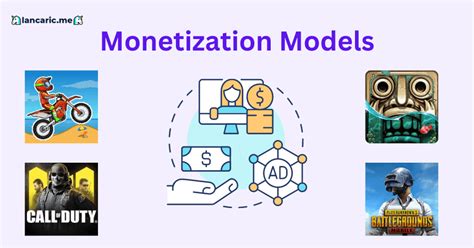
Mobile free-to-play (F2P) games have revolutionized the gaming landscape, offering instant access to entertainment without an upfront cost. Millions dive into these titles daily, attracted by convenience and accessibility. However, beneath the ‘free’ veneer often lies a cunning monetization structure designed to encourage spending, sometimes leading to what’s known as ‘pay-to-win’ (P2W) scenarios. In a P2W game, players can gain significant competitive advantages or accelerated progress by purchasing in-game items, currencies, or upgrades with real money, often at the expense of non-paying players.
For many, the idea of being outmatched simply because they choose not to spend can diminish the fun and fairness of a game. This article will equip you with the knowledge and strategies to identify and avoid these P2W pitfalls, allowing you to enjoy mobile F2P games on your own terms.
Understanding Pay-to-Win Mechanics
To avoid P2W, you first need to recognize it. P2W manifests in various forms. It could be exclusive, overpowered gear only available through premium purchases, character upgrades that take an unreasonable amount of time to acquire otherwise, or energy systems that halt progress unless you pay to recharge. Time-gates are another common tactic, where basic actions or constructions take hours or days to complete, with an option to instantly finish for a fee.
Often, these mechanics start subtly. A game might offer a ‘starter pack’ that seems like a good deal, but as you progress, the gap between paying and non-paying players widens dramatically, pressuring you to spend to keep up. Recognizing these patterns early is crucial.

Research Before You Play
One of the most effective ways to avoid P2W games is to do your homework. Before sinking hours into a new F2P title, take a few minutes to check its reputation. Read player reviews on app stores, especially the one-star and two-star ratings, as these often highlight monetization issues. Search for reviews and discussions on gaming forums, Reddit, or YouTube. Look for common complaints about unfair advantages, excessive grinding, or mandatory spending to progress.
Communities around a game are often vocal about P2W elements. If a game is frequently described as ‘a money sink’ or ‘P2W heavy,’ it’s a strong indicator to proceed with caution or avoid it altogether. A truly player-friendly F2P game will be celebrated for its fairness and accessible progression.
Focus on Skill and Strategy Over Spending
Not all F2P games are inherently P2W. Many offer a fair experience where skill, strategy, and dedication can genuinely overcome monetary advantages. Seek out games that prioritize player skill in combat, clever puzzle-solving, or strategic resource management over sheer power levels derived from purchases. PvP (player-vs-player) balance is a key indicator; if non-paying players can consistently compete and win against paying players through superior tactics, it’s a good sign.
Embrace the learning curve. Spend time understanding game mechanics, optimizing your builds within F2P constraints, and practicing your reflexes or strategic thinking. Often, a deeper understanding of the game’s systems can unlock efficiencies that reduce the need to spend real money.
Embrace the Grind (Sensibly)
Grinding, the act of repeating tasks to earn in-game currency, experience, or items, is a core component of most F2P games. While P2W games often make the grind intentionally tedious to push players towards purchases, many fair F2P titles offer a reasonable and rewarding grind. The trick is to embrace it sensibly.
Set realistic goals for your playtime. Instead of aiming for the top of the leaderboard immediately, focus on consistent, daily progress. Utilize daily quests, events, and login bonuses, which are often designed to reward consistent non-paying players. Distribute your playtime across different activities to prevent burnout. If the grind feels overwhelmingly unfair or purely designed to frustrate you into spending, it might be time to reconsider the game.

Set Personal Limits and Stick to Them
Even in games with P2W elements, you can still enjoy them if you set clear personal boundaries. Decide upfront if you are willing to spend any money at all. If so, establish a strict budget (e.g., $5 a month) and do not exceed it, treating it as entertainment expenditure. Never chase premium items out of frustration or a desire to ‘catch up.’ Remember, the game designers want you to feel this pressure.
Also, set time limits for your gameplay. Excessive time spent can amplify the feeling of being behind or the temptation to spend. A healthy relationship with F2P games means understanding their design and not letting them dictate your spending or time.

Conclusion
Mobile free-to-play games offer a universe of entertainment at your fingertips. By understanding the common tactics of pay-to-win mechanics, doing your due diligence with research, focusing on your skill, grinding smart, and setting firm personal limits, you can navigate these digital worlds successfully. Your enjoyment shouldn’t be contingent on your wallet. Play smart, stay informed, and enjoy the games for what they should be: fun and fair.