How to avoid ‘pay-to-win’ perception in F2P design?
The Delicate Balance: F2P and Player Trust
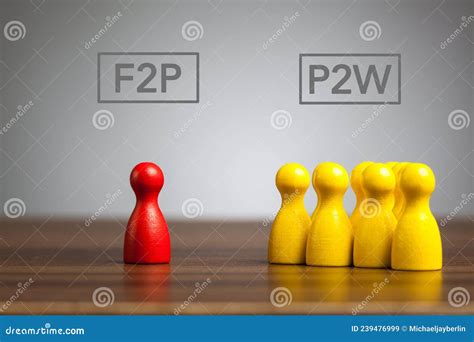
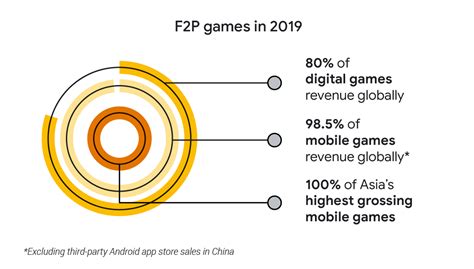
Free-to-Play (F2P) games have become the dominant business model in the gaming industry, offering accessibility to millions. However, this model walks a tightrope: generating revenue while maintaining player satisfaction. The gravest threat to this balance is the ‘pay-to-win’ (P2W) perception, where players feel that financial investment directly translates to an unfair competitive advantage. This perception can alienate communities, stifle growth, and ultimately doom an otherwise excellent game. Crafting a successful F2P experience means building a monetization strategy that respects players’ time and skill, ensuring that spending enhances, rather than dictates, the gameplay experience.
Understanding the ‘Pay-to-Win’ Spectrum
The definition of P2W can be subjective, but generally, it refers to systems where real-money purchases grant direct, significant, and otherwise unattainable gameplay advantages over non-paying players. This could manifest as:
- Direct Power Buys: Exclusive, stronger gear or characters only available for money.
- Significant Progression Shortcuts: Skipping grind that provides crucial power/advantages to the point that free players cannot catch up without an unreasonable time investment.
- Resource Imbalance: Buying resources that give a substantial edge in crafting, upgrades, or competitive modes.
- Exclusive P2W Mechanics: Features or abilities that are simply locked behind a paywall and grant a direct combat or competitive edge.
Avoiding P2W isn’t just about not selling power; it’s about not designing core systems that make players feel compelled to spend to compete.
Monetization Strategies That Foster Fairness
1. Cosmetic-First Monetization
This is the gold standard for non-P2W monetization. Selling purely aesthetic items like skins, emotes, visual effects, and character customizations allows players to express themselves without affecting gameplay balance. When players spend on cosmetics, they feel they are supporting the game and personalizing their experience, not buying an advantage.
2. Time-Savers, Not Power-Ups
Players often have more money than time, or vice-versa. Offering items that accelerate progression (e.g., experience boosters, increased drop rates) without making the free path impossible or excessively punitive can be acceptable. The key is that the same progression must be achievable for free players, even if it takes longer. If a paying player reaches the endgame significantly faster but still relies on skill, it’s generally well-received.
3. Convenience Features and Quality of Life (QoL)
Monetizing convenience can include things like extra inventory slots, expanded storage, faster travel options (where travel isn’t a core gameplay challenge), or UI enhancements. These improve the player experience without directly impacting competitive integrity. However, be cautious not to gate essential QoL features behind a paywall, as this can still feel unfair.
4. Thoughtful Battle Pass Design
Battle Passes can be a powerful engagement and monetization tool. To avoid P2W, ensure that the premium track primarily offers cosmetics and time-savers, while the free track provides meaningful progression rewards, including a portion of the premium currency to make future passes achievable for dedicated free players. Avoid putting exclusive, powerful gameplay items on the premium track.
Core Game Design Principles for F2P Fairness
1. Skill-First Progression and Competitive Integrity
At its heart, a fair F2P game ensures that skill and effort are the primary determinants of success. This means:
- Meaningful Free Progression: The core gameplay loop should be rewarding and provide tangible progress without spending.
- Fair Matchmaking: Systems should match players based on skill, not spending habits. A paying player should not be matched against significantly weaker free players simply because they bought a better item.
- Balanced Economy: The in-game economy should not be designed to create artificial resource sinks that only real-money purchases can alleviate.
2. Transparency and Communication
Openness about monetization is vital. Clearly communicate what items do, how they are obtained, and what impact they have (or don’t have) on gameplay. Engage with your community and listen to their feedback on monetization strategies. Sometimes, a feature isn’t inherently P2W but feels like it due to poor explanation or context.
3. Regular Content Updates for All
Keep the game fresh with new content, modes, and challenges that are accessible to all players, not just those who spend. This demonstrates a commitment to the entire player base and reinforces the idea that the game is alive and evolving for everyone.
Conclusion: Building a Sustainable Ecosystem
Avoiding the ‘pay-to-win’ perception is not merely a marketing challenge; it’s a fundamental design philosophy. It requires a commitment to fairness, transparency, and a deep understanding of player psychology. By prioritizing cosmetic monetization, offering time-savers over power-ups, designing for skill-first progression, and fostering open communication, F2P developers can build thriving, profitable games that earn and maintain player trust. A sustainable F2P ecosystem is one where players feel valued whether they spend or not, ensuring longevity and a passionate community.