How to avoid overwhelming new players in your detailed gaming how-to guides?

Creating detailed how-to guides for video games is incredibly valuable for new players, helping them grasp complex mechanics and strategies. However, the very detail that makes these guides useful can also be their biggest pitfall, potentially overwhelming beginners. The key lies in presenting information in an accessible, digestible format. Here’s how you can craft guides that inform without intimidating.
Understand Your Audience: The Absolute Beginner
Before you even type your first word, put yourself in the shoes of someone who knows absolutely nothing about the game, or even the genre. Assume no prior knowledge. This perspective is crucial for identifying potential stumbling blocks and ensuring every foundational concept is covered. Avoid the “expert’s curse” – the assumption that others share your level of understanding.
When you’re writing for new players, simplicity is your ally. Resist the urge to dive straight into advanced tactics or intricate lore. Start with the most basic elements, such as controls, HUD elements, and core objectives. Gradually introduce more complex concepts as the guide progresses, building a solid foundation rather than throwing everything at them at once.
Structure for Clarity and Gradual Progression
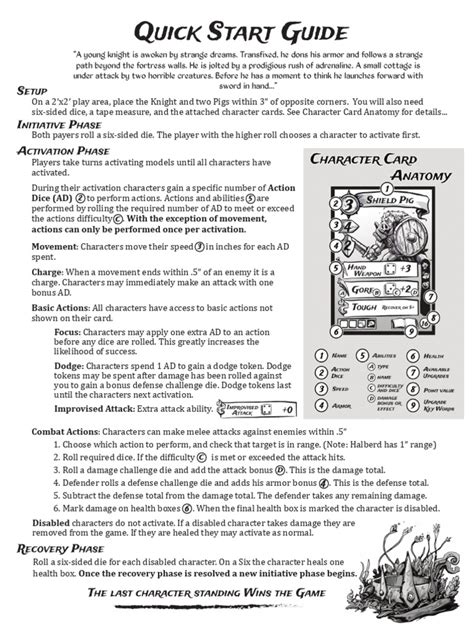
A well-structured guide is a gentle guide. Break down massive topics into smaller, manageable chunks using clear headings (<h2>, <h3>). Utilize bullet points and numbered lists for steps or important information, making it scannable and easy to follow. Think of your guide as a staircase, where each step leads naturally to the next, rather than a steep cliff face.
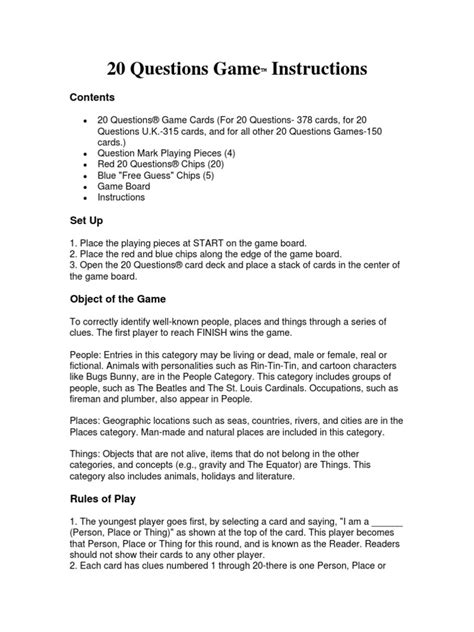
- Start with the Fundamentals: Always begin with the absolute basics, like game objective, movement, and basic interactions.
- Logical Grouping: Group related mechanics or concepts together. Don’t jump from combat to crafting to quests without a clear transition.
- Progressive Difficulty: Arrange sections from easiest to hardest, or most common to least common scenarios.
Employ Clear and Concise Language
Jargon is a language barrier for new players. While it’s an unavoidable part of gaming communities, it needs to be introduced carefully. When you use a game-specific term (e.g., “aggro,” “DPS,” “AoE,” “kiting”), either explain it immediately or link to a glossary. Use simple, direct sentences. Avoid overly complex sentence structures or flowery prose that might distract from the core information.
Think about how you would explain a concept to someone completely new to gaming. Would you use acronyms without explanation? Probably not. Clarity is paramount, even if it means sacrificing some of the “insider” language you’re accustomed to. The goal is to inform, not to impress with your vocabulary.

Offer Practical Examples and Actionable Steps
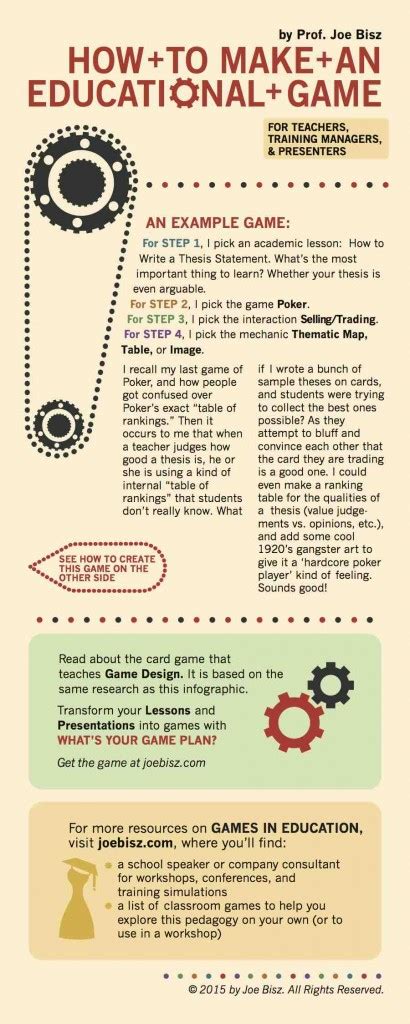
Theory is good, but practice is better. Supplement your explanations with concrete examples or hypothetical scenarios. “Show, don’t just tell” applies strongly here. If you’re explaining a combat mechanic, describe a typical encounter and how the player should react. Step-by-step instructions for specific actions (e.g., “How to equip an item,” “How to complete the first quest”) are invaluable.
Each section should ideally leave the player with a clear understanding of what they need to do next, or what they’ve just learned and how it applies. This reinforces learning and builds confidence, making the guide feel less like a lecture and more like a helpful companion.
Provide Resources for Deeper Dives (Optional but Recommended)
While the goal is not to overwhelm, some players will eventually want to delve deeper. Offer optional sections or links to advanced guides, community forums, or wikis. Label these clearly as “Advanced Strategies” or “Further Reading” so new players know they can skip them without missing essential information. This caters to different learning paces and levels of engagement.
It’s about providing an on-ramp to the game, not the entire highway at once. By offering pathways to more complex information, you empower players to explore at their own pace, rather than feeling pressured to absorb everything immediately.
Conclusion
Crafting a truly effective gaming how-to guide for new players is an art that blends comprehensive knowledge with pedagogical skill. By understanding your audience, structuring your content logically, using clear language, offering practical examples, and providing avenues for deeper learning, you can create guides that are not just informative, but genuinely helpful and empowering. Your goal should be to build confidence and understanding, ensuring that new players feel welcomed and capable, rather than lost in a sea of information. Guide them, don’t drown them.