How to avoid overwhelming new players in complex game beginner guides?

Complex games, with their intricate mechanics, deep lore, and myriad systems, offer immense satisfaction to dedicated players. However, this very depth can be a formidable barrier for newcomers. A poorly constructed beginner guide can quickly turn potential enthusiasts into frustrated departees. The key lies in strategic information delivery, empathy for the new player, and a commitment to gradual learning.
Prioritize Core Mechanics: The ‘Less Is More’ Philosophy
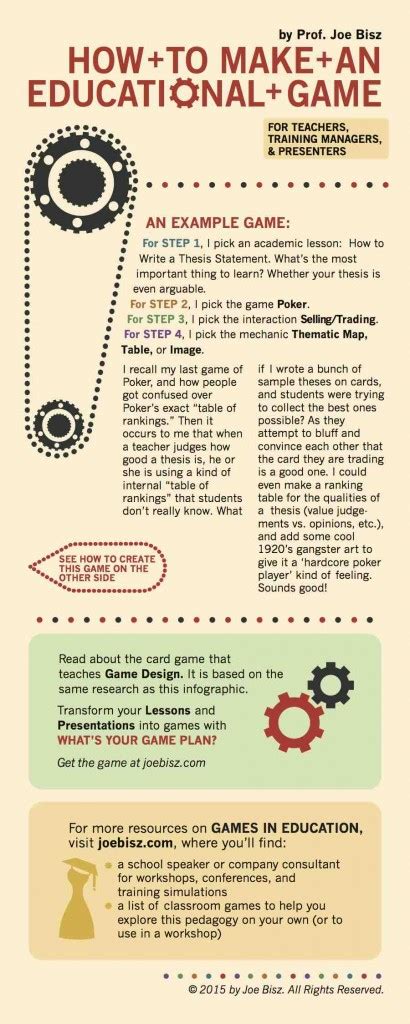
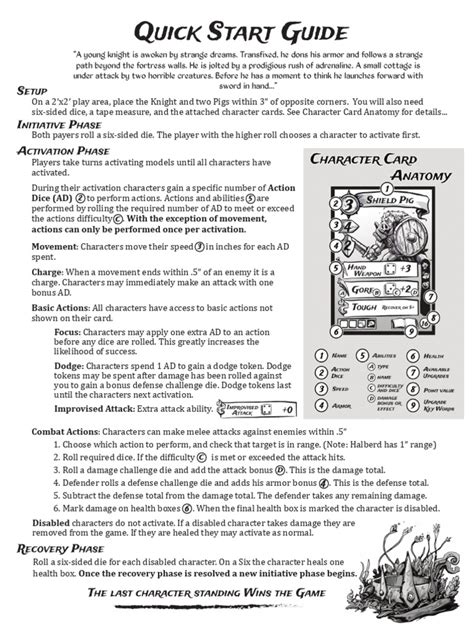
When introducing a complex game, resist the urge to explain everything upfront. New players only need to understand the absolute essentials to take their first steps. Focus on the core loop: what actions can they immediately perform, what is their immediate goal, and how do they achieve it? Overloading with advanced strategies, secondary systems, or obscure lore can cause immediate confusion and fatigue.
Break down information into digestible chunks. Instead of a monolithic wall of text or a lengthy, unskippable tutorial, introduce concepts progressively. Start with movement, basic interaction, and the simplest objective. Reserve explanations for crafting, advanced combat maneuvers, or economic systems for when the player has a foundational understanding and is more receptive to new information.
Interactive & Contextual Learning: Show, Don’t Just Tell
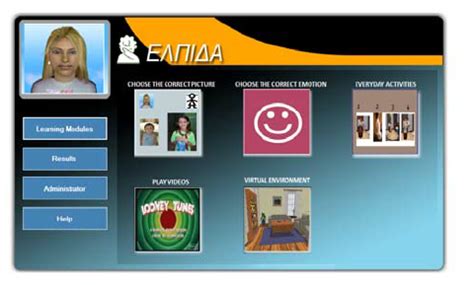
Reading about a mechanic is one thing; experiencing it firsthand is another. Effective beginner guides are often interactive, allowing players to learn by doing. Integrate tutorials directly into the early gameplay, presenting challenges that naturally introduce new mechanics. For instance, instead of explaining how to use a specific spell, have a low-stakes encounter where using that spell is the most intuitive solution.
Contextual cues like tooltips that appear when a player hovers over an item or ability, or short pop-up explanations when a new feature becomes relevant, are invaluable. These allow players to access information when they need it most, without being forced to remember details from a long introductory sequence. This ‘just-in-time’ learning prevents cognitive overload.

Visual Aids and Clear, Concise Language
A picture is worth a thousand words, especially in game guides. Use clear screenshots, diagrams, and iconography to illustrate concepts. A visual representation of a skill tree, an item’s stats, or a map’s points of interest can be far more effective than a lengthy description. Highlight key elements in visuals to draw the player’s attention to what’s important.
Beyond visuals, the language itself must be accessible. Avoid jargon specific to your game or genre unless it’s immediately defined. Use short sentences and simple vocabulary. If a concept is inherently complex, break it down into its constituent parts and explain each clearly before reassembling them. Consistency in terminology is also crucial; use the same name for an item or mechanic every time it’s mentioned.

Pacing and Progression: The Gradual Unfold
A common pitfall is to front-load all information. Instead, think of your beginner guide as a journey, not a static document. Introduce new features and systems gradually as the player progresses through the early game. This ‘gating’ of information ensures that players have time to internalize one concept before being presented with the next.
Offer ‘challenge’ or ‘practice’ zones where players can experiment with new abilities or strategies without penalty. Provide clear indicators of progression and success to build confidence. Optionally, create ‘advanced tips’ or ‘further reading’ sections that players can explore once they feel comfortable with the basics, giving them agency over their learning pace.

Empathy and Iteration: Listen to Your Players
The best way to know if your guide is effective is to observe new players. Conduct playtests with individuals unfamiliar with your game. Watch where they struggle, what questions they ask, and where they get stuck. Their confusion is invaluable feedback that highlights areas where your guide needs improvement.
Don’t be afraid to iterate. Beginner guides are rarely perfect on the first try. Collect feedback through surveys, community forums, and direct observation, then use that data to refine your explanations, add new sections, or prune unnecessary details. A truly effective guide evolves with its audience’s needs.

Guiding new players through a complex game is an art. By embracing simplicity, interactivity, clear communication, measured pacing, and player-centric design, developers and content creators can transform potential overwhelm into a rewarding learning experience. A well-crafted beginner guide isn’t just about teaching mechanics; it’s about fostering a welcoming environment that encourages players to dive deeper and discover the rich world you’ve built.