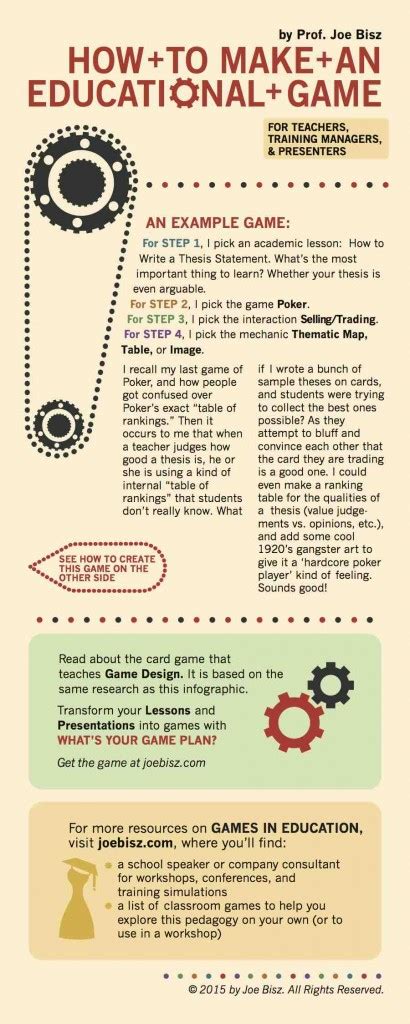
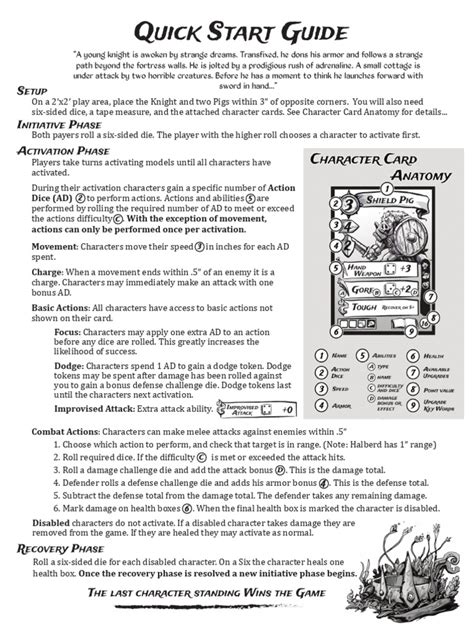
How to avoid overwhelming new gamers with jargon in initial how-to guides?
Entering the vibrant world of gaming can be an exhilarating experience, but for newcomers, it often comes with a steep learning curve, particularly when faced with a barrage of unfamiliar terms. Gaming communities, rich in their shared language, frequently use jargon that, while second nature to veterans, can feel like an alien dialect to a fresh pair of eyes. The goal of any initial how-to guide should be to invite, not intimidate. This article will explore practical strategies to strip away the intimidating complexity of jargon, making your guides welcoming and effective for every new player.
Understand Your Audience’s Perspective
The first step in crafting an accessible guide is to put yourself in the shoes of someone completely new to the game, or even the genre. They don’t know what an “aggro pull” is, why “kiting” is important, or the difference between “DPS” and “healing threat.” Assume zero prior knowledge. Avoid acronyms and specialized terms unless they are immediately and clearly defined. Your audience isn’t looking to prove their gaming prowess; they’re looking to understand the basics.
Consider the emotional state of a new player: they might be excited, curious, but also potentially overwhelmed or anxious about making mistakes. A friendly, encouraging tone that simplifies complex ideas will build confidence, whereas overly technical language can quickly lead to frustration and disengagement.
Define and Explain Everything, Gradually
Jargon isn’t inherently bad; it’s a shorthand that emerges from shared experience. However, its introduction must be controlled and explanatory. When a term is necessary, introduce it, define it clearly and concisely, and then use it consistently. For example, instead of just saying “tank aggro,” explain: “The ‘tank’ is a character whose role is to draw the enemy’s attention, known as ‘aggro,’ away from other players.”
Think of it as building a glossary within your guide. You can even create a small, dedicated section for “Key Terms” at the beginning or end, or use inline pop-ups/tooltips in digital formats. The key is to provide context and meaning before expecting comprehension.
Use Analogies and Real-World Examples
One of the most powerful tools for explaining complex concepts is relating them to something familiar. Is “farming” resources in an MMO like planting crops and harvesting them? Is “balancing your economy” in a strategy game similar to managing household finances? Analogies bridge the gap between abstract game mechanics and concrete, everyday experiences.
For instance, explaining “crowd control” as “temporarily stopping enemies from attacking, like a police officer directing traffic” makes it instantly more understandable than a dry technical definition. These connections make the information stick and reduce the cognitive load on new learners.

Focus on Core Concepts First
New players don’t need to know every intricate detail of advanced meta-strategies from day one. Overloading them with too much information too soon is a surefire way to overwhelm. Prioritize the absolute essentials: how to move, basic combat, objective interaction, and perhaps one or two core class/role abilities. Build understanding layer by layer.
Organize your guide in a logical progression, starting with the very basics and gradually introducing more complex ideas. If a concept isn’t immediately critical for a player to complete their first few tasks or understand the game’s fundamental loop, save it for a later, more advanced guide.
Leverage Visuals and Interactive Elements
A picture is worth a thousand words, especially when dealing with abstract game concepts. Screenshots with highlighted areas, simple diagrams illustrating movement patterns or ability ranges, and short video clips demonstrating actions can dramatically improve comprehension. Instead of describing how to “kite enemies,” show a short GIF of a character doing it.
Visual aids bypass the need for extensive textual explanation of jargon, allowing players to see the concept in action. For digital guides, consider interactive elements like hover-over definitions for terms or clickable examples that reveal more detail. This multi-modal approach caters to different learning styles and significantly reduces jargon-related confusion.

Test with Actual New Players
Perhaps the most critical step in refining your guides is user testing. Recruit individuals who have never played the game (or even the genre) and ask them to follow your guide. Observe where they get stuck, what terms confuse them, and which explanations fall short. Their feedback is invaluable for identifying areas where jargon might still be creeping in unnoticed or where explanations are insufficient.
Don’t be afraid to iterate. What seems perfectly clear to you, the experienced player or guide writer, might be completely opaque to a beginner. A truly effective beginner guide is one that has been battle-tested by its target audience.

Conclusion
Crafting beginner-friendly how-to guides is an art that blends clear communication with empathy for the new player experience. By consciously working to understand your audience, define terms, use relatable analogies, prioritize core concepts, leverage visuals, and test rigorously, you can transform potentially overwhelming jargon into stepping stones. The goal isn’t to eliminate all specialized language eventually, but to introduce it gracefully, ensuring that every new gamer feels welcomed, capable, and excited to dive deeper into your game’s world.