How to assess if a new F2P gacha game offers good value for free players or demands spending?
Navigating the Gacha Landscape as a Free Player
The free-to-play (F2P) gacha game market is booming, offering a tempting array of immersive worlds, compelling characters, and engaging gameplay loops. However, beneath the polished exterior, lies a critical question for many players: does this game truly offer value for those who choose not to spend, or is it designed to constantly push players towards in-app purchases? Understanding how to assess a new gacha game’s F2P friendliness is crucial for a sustainable and enjoyable experience without breaking the bank.
This guide will arm you with the tools to critically evaluate a new gacha title, helping you determine if it respects your time and commitment as a free player or if it’s a financial trap in disguise.
Evaluating Premium Currency Acquisition and Gacha Mechanics
One of the first and most important indicators of a game’s F2P value is how generously it provides its premium currency (e.g., gems, crystals, primordial jades) to non-spending players. Look for consistent, reliable sources such as daily quests, weekly challenges, story progression, event rewards, login bonuses, and achievement milestones. A game that offers a healthy stream of premium currency allows F2P players to participate in gacha pulls at a reasonable pace, even if it’s not as frequent as paying players.
Equally critical are the gacha rates and the presence of a ‘pity’ or ‘spark’ system. Gacha rates determine your chances of pulling rare characters or items. A game with extremely low rates (e.g., less than 1% for top-tier items) without a strong safety net can be frustrating. A robust pity system guarantees a rare pull after a certain number of failed attempts, while a spark system allows players to exchange accumulated currency or ‘failed’ pull tokens for a desired character. These mechanics significantly mitigate the randomness and enhance the F2P experience.
Progression Systems and Resource Management
Beyond gacha pulls, assess the game’s overall progression system. Are essential materials for character leveling, weapon upgrades, or skill enhancements readily available through in-game activities, or are they heavily time-gated or locked behind paywalls? Watch out for ‘energy’ or ‘stamina’ systems that are overly restrictive, quickly depleting and taking many hours to refill, effectively throttling playtime unless you spend. A truly F2P-friendly game allows for steady, albeit slower, progression without needing constant purchases of energy refills or resource bundles.
Consider the ‘quality-of-life’ features. Are basic conveniences like auto-battle, increased inventory space, or faster combat speeds offered free, or are they premium purchases? While some monetization here is standard, crucial features that make the game less grindy should ideally be accessible to all players over time.

Event Accessibility and Competitive Play Balance
Events are the lifeblood of many live-service games, offering unique rewards and engaging content. A good F2P gacha game ensures that its events are accessible and rewarding for non-spending players. This means event currency and progression should be achievable without needing specific gacha units or massive grind-fests that require constant energy refills. If F2P players can realistically earn a significant portion of event rewards, including rare items or even free characters, that’s a positive sign.
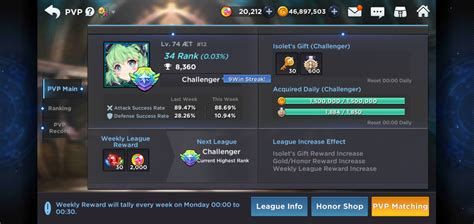
For games with Player-vs-Player (PvP) or competitive leaderboards, examine the balance. Does a paying player’s roster overwhelmingly dominate, making it impossible for F2P players to compete, or is skill and strategic team building still a major factor? A healthy competitive environment allows F2P players to climb ranks and earn rewards, even if reaching the very top is more challenging.

Community Sentiment and Developer Transparency
Before investing significant time, tap into the community. Check reviews on app stores, forums, Reddit, and watch content creators who focus on F2P games. Look for recurring complaints about monetization, pay-to-win elements, or excessive grind. Conversely, positive feedback about F2P generosity and reasonable progression is a strong indicator.
Developer communication is also key. Are they transparent about future monetization plans? Do they listen to F2P player feedback regarding balance, events, or currency acquisition? Developers who openly engage with their community and adjust their monetization strategies based on player experience often foster a more F2P-friendly environment.

Conclusion: Make an Informed Decision
Assessing whether a new F2P gacha game offers good value for free players requires a critical eye and attention to several key areas. By examining premium currency availability, gacha mechanics, progression systems, event accessibility, competitive balance, and community feedback, you can make an informed decision. Remember, a truly F2P-friendly game allows for enjoyment and meaningful progression without demanding constant financial investment, respecting both your time and your wallet.