How should game how-tos distill core gameplay for total beginners quickly?

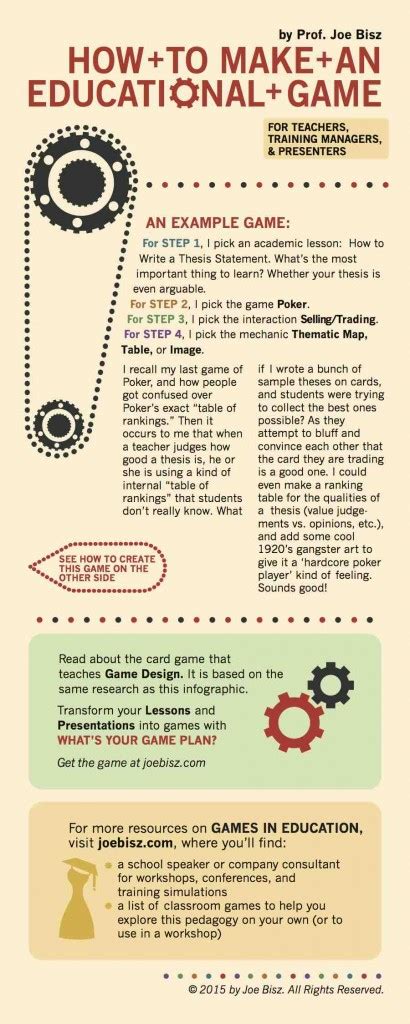
The initial hurdle for new players in any game is often overwhelming. A well-designed ‘how-to’ guide is crucial for translating complex game mechanics into digestible, actionable knowledge. The goal isn’t just to explain, but to empower total beginners to grasp the fundamental loop quickly and feel competent enough to explore further.
Prioritize Core Mechanics Over Everything Else
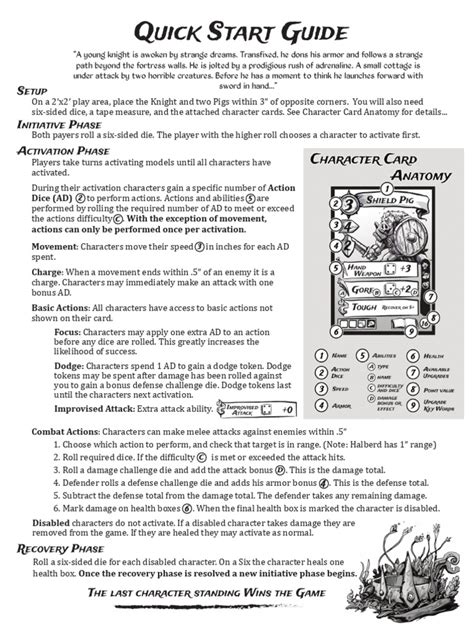
The biggest mistake a how-to can make is trying to explain everything. For a total beginner, only the absolute core gameplay loop matters. Identify the 2-3 essential actions (e.g., move, attack, interact) and the primary objective (e.g., collect resources, defeat enemies, solve puzzles). Everything else can wait.
Think of it as teaching a child to ride a bike: first balance, then pedal, then steer. Don’t immediately introduce advanced tricks. Strip away all secondary systems, optional side quests, and intricate lore until the player can confidently perform the game’s most basic, recurring actions.
Embrace Visuals and Hands-On Practice
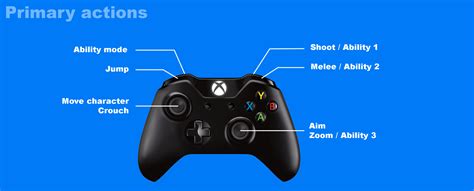
Text-heavy explanations are a beginner’s nightmare. Visual cues, animated GIFs, short video clips, or interactive prompts are far more effective. Show, don’t just tell. Highlight UI elements, demonstrate character movements, and illustrate cause-and-effect directly on screen.
Immediately follow explanation with practice. A how-to should ideally be a guided experience, allowing players to perform the action directly after learning it. Provide a safe, low-stakes environment where mistakes have minimal consequences, reinforcing the learning through muscle memory and immediate feedback.
Progressive Unlocking and Contextual Learning
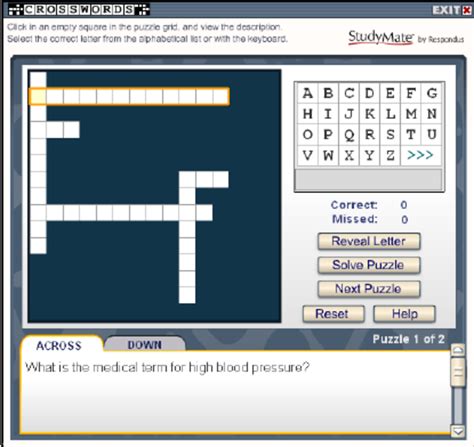
Instead of dumping all information at once, introduce concepts progressively as they become relevant. When a new mechanic is required, that is the moment to explain it. This contextual learning makes the information more immediately useful and less likely to be forgotten.
Design tutorials that gently guide players through the first few steps of the actual game environment, rather than a separate, abstract tutorial zone. Integrate the learning seamlessly into the initial moments of gameplay, making the how-to feel less like a chore and more like an organic part of the adventure.
Simple Language and Jargon Avoidance
Speak directly to the player using clear, concise language. Avoid game-specific jargon, acronyms, or advanced terminology unless absolutely necessary, and if so, define them immediately. Imagine explaining the game to someone who has never played a video game before.
Keep sentences short and to the point. Break down complex instructions into a series of simple, numbered steps. The goal is clarity and immediate understanding, not a comprehensive manual.

Conclusion: The Path to Rapid Player Engagement
Distilling core gameplay for total beginners quickly is an art. It requires a thoughtful approach to what’s truly essential, how it’s presented, and when it’s introduced. By focusing on core mechanics, leveraging strong visuals and hands-on practice, implementing progressive and contextual learning, and using simple, jargon-free language, game how-tos can transform potentially overwhelmed newcomers into engaged players ready to dive deep into the game’s world. A well-crafted beginner guide doesn’t just teach the game; it fosters a love for it.