How should beginner game guides simplify complex core mechanics for new players effectively?

Understanding the New Player’s Learning Curve
For newcomers to a game, especially those with intricate systems, the initial experience can be daunting. Complex core mechanics, if not properly introduced, can lead to frustration and early abandonment. A truly effective beginner game guide doesn’t just list features; it acts as a compassionate mentor, breaking down intimidating information into digestible, actionable knowledge. The primary goal is to empower new players to grasp the fundamentals without feeling overwhelmed, fostering a sense of accomplishment and encouraging deeper engagement.
The key to success lies in understanding the new player’s mindset: they’re curious but easily intimidated, looking for a clear path forward, not a comprehensive encyclopedia. Guides must anticipate common points of confusion and proactively address them.

Core Principles for Effective Simplification
1. Start with the ‘What’ and ‘Why,’ Not Just ‘How’
Before diving into button presses or specific sequences, explain *what* a mechanic is and *why* it’s important. For instance, instead of immediately detailing a crafting recipe, explain: “Crafting allows you to create new items and gear (what) to improve your character’s power and survivability (why).” This provides context and motivates the player to learn the subsequent ‘how-to’ steps.
2. Break Down Complexity into Micro-Steps
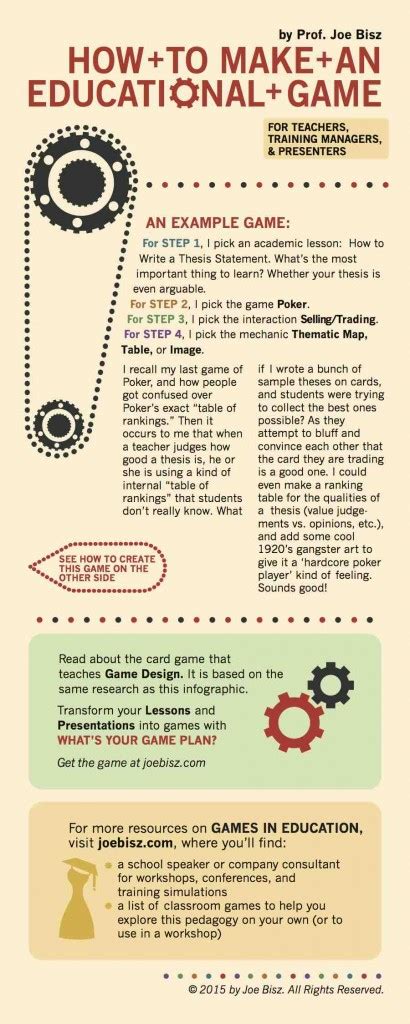
A single ‘complex mechanic’ is often a chain of simpler sub-mechanics. Dissect it. If a game has a robust combat system involving targeting, ability cooldowns, resource management, and movement, address each component separately before demonstrating how they interlink. Present one concept at a time, allowing players to master it before moving to the next. Use bullet points, numbered lists, and short paragraphs to keep information bite-sized.
3. Leverage Analogies and Relatable Metaphors
Connect unfamiliar game concepts to real-world experiences or established gaming tropes. Describing a ‘threat management’ system in an RPG as being like ‘keeping the attention of the biggest monster on the tank’ is more accessible than a purely technical explanation. Analogies create mental shortcuts, helping players bridge the gap between their existing knowledge and the new information.

Practical Strategies for Guide Writers
1. Progressive Disclosure of Information
Don’t dump everything at once. Introduce mechanics as they become relevant in the early game. If a mechanic isn’t crucial until level 10, don’t bog down the introductory guide with it. Start with the absolute essentials needed for the first hour of gameplay, then build upon that foundation. This ‘just-in-time’ learning prevents cognitive overload.
2. Focus on Essential Outcomes, Not Exhaustive Details
New players don’t need to know every nuance or edge case immediately. What they need are the core actions to achieve basic success. For example, when explaining character builds, focus on one or two viable starter builds that are easy to execute and effective, rather than listing every possible permutation. Save advanced strategies for intermediate guides.

3. Provide Clear, Contextual Examples and Visuals
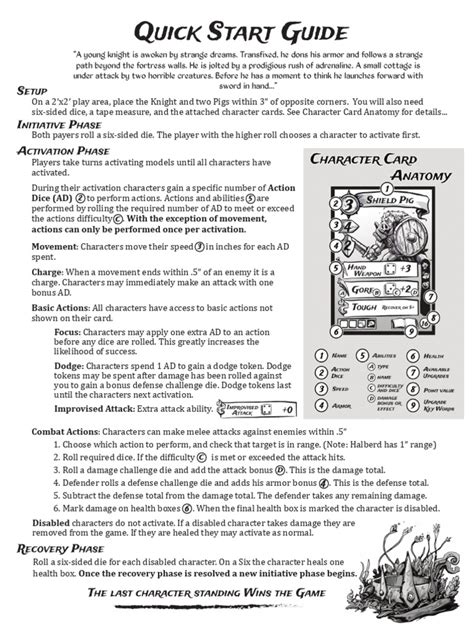
Theoretical explanations are less effective than practical demonstrations. Show, don’t just tell. Use screenshots, short video clips (implied through text description in a guide), or step-by-step examples that illustrate the mechanic in action within the game world. If explaining a crafting recipe, show the ingredients, the interface, and the resulting item. Visuals are paramount for clarifying complex spatial or procedural mechanics.
4. Anticipate Common Pitfalls and Offer Troubleshooting
Good guides don’t just explain how things work; they also explain what can go wrong. If a common mistake in using a particular ability is aiming incorrectly, explicitly mention it and offer a tip on how to aim effectively. Proactive troubleshooting builds player confidence and reduces frustration.

Structuring for Clarity and Engagement
Beyond the content itself, the presentation matters immensely. Utilize clear headings (H2, H3), bullet points, and bold text to break up blocks of text and highlight key information. A concise, jargon-free glossary for game-specific terms can also be incredibly helpful. Ensure a logical flow from one concept to the next, guiding the player smoothly through their learning journey.
Ultimately, an effective beginner game guide simplifies complex core mechanics by prioritizing the new player’s experience. It’s about empathy, methodical deconstruction, practical examples, and progressive learning, all aimed at transforming potential frustration into genuine enjoyment and lasting engagement.