How should a game’s ‘First 10 Hours’ guide balance discovery with essential tips?

The Delicate Art of Early-Game Guidance
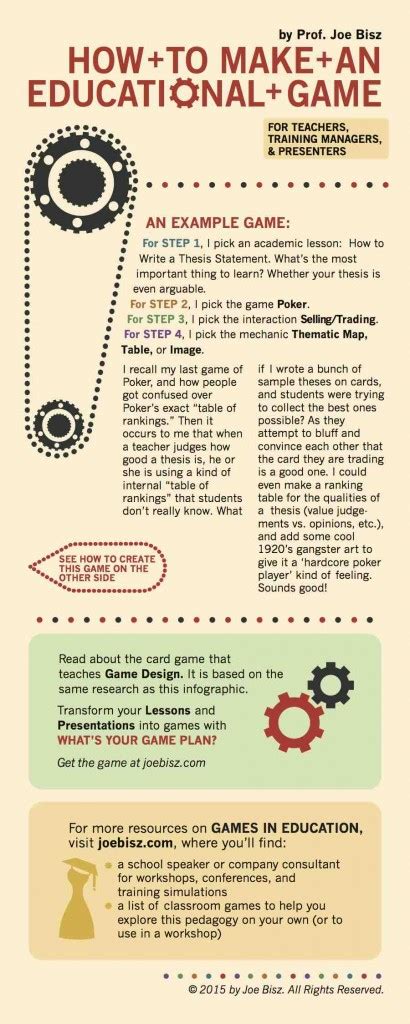
The first ten hours of any game are critical. They are the period where a player learns the ropes, decides if they like the core loop, and forms their initial impression of the game world. A well-crafted ‘First 10 Hours’ guide can significantly enhance this experience, but it walks a tightrope: too much hand-holding kills the joy of discovery, while too little leaves players lost and frustrated. The key lies in striking a nuanced balance between providing essential tips and preserving the thrill of uncovering secrets.

Embracing the Power of Discovery
Discovery is often cited as one of the most rewarding aspects of gaming. Whether it’s stumbling upon a hidden quest, figuring out a complex mechanic, or forging a unique playstyle, these ‘aha!’ moments create lasting engagement. A guide that over-explains every single nuance, every item location, or every optimal strategy robs the player of these vital experiences. The initial hours should feel like an adventure into the unknown, not a checklist of instructions.
To preserve discovery, guides should focus on empowering players to explore rather than dictating their path. Encourage experimentation, highlight the richness of the world, and suggest general areas for exploration without revealing specific, narrative-critical secrets or puzzle solutions. The goal is to equip the player with the tools to find things for themselves, not to show them where everything is.
Identifying Essential Tips: The Foundation of Fun
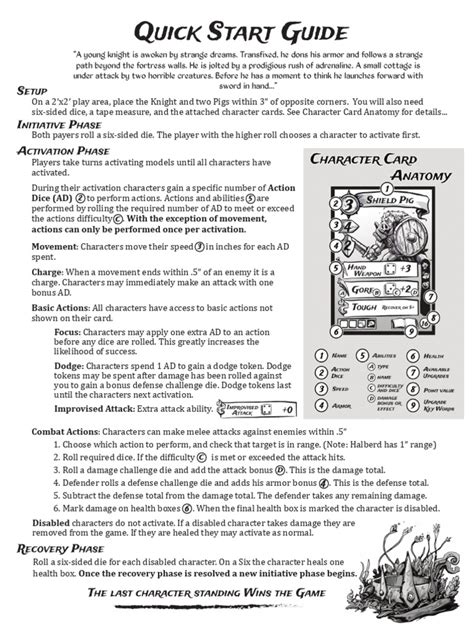
While discovery is vital, certain information is truly essential to prevent new players from feeling overwhelmed or quitting prematurely. These are the foundational elements that, if misunderstood, can lead to significant frustration. Essential tips typically include:
- Core Controls and User Interface (UI): How to move, interact, access menus, and understand key HUD elements.
- Basic Combat Mechanics: How to attack, defend, use abilities, and understand enemy indicators.
- Fundamental Progression Systems: How to level up, acquire new gear, use basic crafting, or understand the primary economy.
- Early-Game Goals: A gentle nudge towards the immediate objectives, without spoiling the narrative.
- Avoiding Critical Pitfalls: Warnings about unrecoverable decisions or mechanics that could lead to early-game frustration (e.g., don’t sell this specific starting item).

Strategies for Balancing: Guiding Without Giving Away
Achieving this balance requires thoughtful guide design:
-
Progressive Revelation:
Instead of front-loading all information, structure the guide to reveal tips as they become relevant. For instance, advanced crafting tips can wait until a player has gathered basic resources, or complex combat maneuvers can be introduced after they’ve mastered the fundamentals.
-
Focus on ‘How’ Not ‘What’:
Teach players how to use a map, how to identify quest givers, or how to approach different enemy types, rather than telling them exactly where to go for the next quest or what the optimal gear set is.
-
Contextual Clues vs. Explicit Spoilers:
Offer breadcrumbs that point players in the right direction without directly giving away solutions. For example, instead of saying “The key is under the third barrel in the cellar,” suggest “Look for clues in the environment, perhaps where items might be hidden.”
-
Optional Deep Dives and Spoiler Tags:
For players who genuinely want more help, provide clearly marked optional sections or ‘spoiler tags’ that they can choose to reveal. This empowers the player to control their level of assistance.
-
Emphasize General Principles:
Encourage habits like “always check behind waterfalls” or “talk to all NPCs” rather than specific directions. This instills a sense of curiosity and autonomy.
What to Absolutely Leave for Discovery
Certain elements should almost always be left for the player to discover organically:
- Major plot twists and narrative reveals.
- Exact locations of unique collectibles, hidden areas, or Easter eggs.
- Optimal character builds or end-game strategies that evolve over time.
- Solutions to complex environmental puzzles or boss fight mechanics (unless they are truly unfair without a hint).
These are the moments that truly make a game memorable and personal to each player.

The First 10 Hours: Building a Foundation, Not a Blueprint
Ultimately, a ‘First 10 Hours’ guide should serve as a helpful foundation, not a strict blueprint. Its purpose is to onboard new players smoothly, prevent early frustrations, and teach them the game’s language and rules, all while safeguarding the inherent joy of exploration and self-discovery. By carefully curating essential tips and consciously leaving room for emergent gameplay, guides can enhance the initial experience, ensuring players feel competent, engaged, and eager to delve deeper into the game world on their own terms.