



How do you tailor a game’s ‘first 5 hours’ guide for absolute beginners?

Introduction: Why the First 5 Hours Matter Most
For an absolute beginner, the initial hours of a new game can be the most intimidating and crucial. Without proper guidance, steep learning curves, overwhelming lore, or complex mechanics can quickly lead to frustration and abandonment. A well-crafted ‘first 5 hours’ guide isn’t just about showing them the ropes; it’s about crafting a welcoming, empowering experience that transforms potential players into engaged enthusiasts. This guide must prioritize clarity, simplicity, and confidence-building over comprehensive detail.
The goal is to provide just enough information to get them moving, feeling successful, and excited to explore further, without drowning them in advanced strategies or dense background information. It’s an art of gentle introduction and strategic omission.
Simplify Core Mechanics and Controls
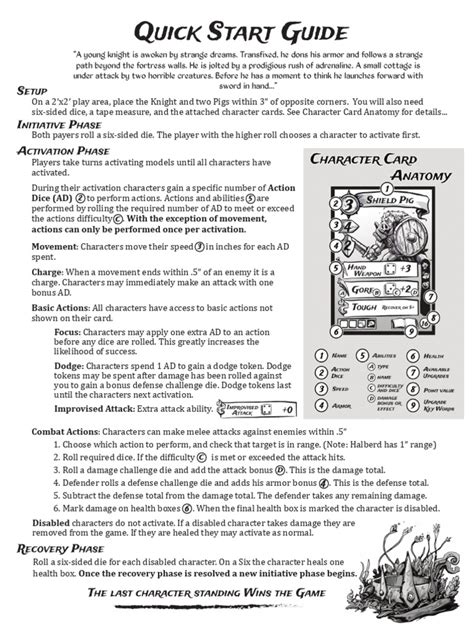
Absolute beginners often struggle with fundamental concepts that veteran players take for granted. Your guide should start with the absolute basics: movement, camera control, primary attack/interaction, and accessing key menus (inventory, map). Break down complex actions into their simplest components. Instead of a paragraph describing a combo, illustrate each button press individually.
Avoid jargon. If the game uses specific terminology for actions, explain it clearly the first time it appears. For example, instead of saying “Execute a perfect parry,” say “Block just as an enemy attacks to stun them.” Visual aids, even if conceptual, are incredibly helpful here, focusing on the controller or keyboard layout.
Provide Clear, Step-by-Step Instructions
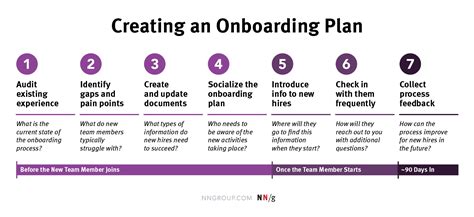
Think of the guide as a very gentle tutorial, complementing the in-game one. Outline a clear, linear path for the first few objectives. Don’t present choices or side quests early on; guide them directly to the next crucial milestone. Each step should be actionable and achieve a small, discernible goal. For instance, “Step 1: Locate the training dummy. Step 2: Practice attacking it 5 times. Step 3: Speak to the guard.”
Emphasize why they are doing something. “Practicing attacks helps you understand your character’s combat style.” This context helps them connect actions to outcomes and makes learning more meaningful. Highlight important UI elements they need to watch, like health bars or quest markers.
Manage Expectations and Build Confidence
Beginners need reassurance that it’s okay not to be perfect immediately. Acknowledge common struggles. “Don’t worry if combat feels clunky at first; it takes practice!” or “You don’t need to understand every statistic right away.” This empathy reduces frustration and encourages persistence.
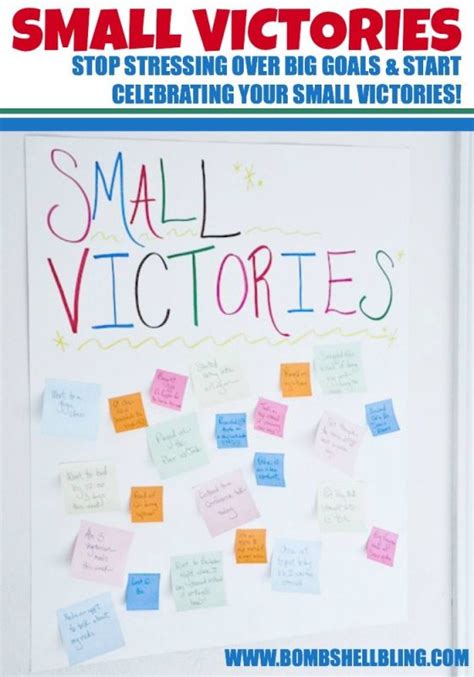
Celebrate small victories. After they complete a tutorial section or defeat their first enemy, highlight that achievement. “Congratulations! You’ve mastered basic movement and combat!” Frame early challenges as learning opportunities, not tests of skill. Suggest taking breaks and reiterate that the game is meant to be fun, not a chore.
Focus on Fun, Not Overwhelm
Resist the urge to dump all game mechanics, lore, or advanced strategies on them. The first five hours are about establishing a baseline of enjoyment and curiosity. Introduce key characters or story elements sparingly, only as they become relevant to progression. Avoid detailed explanations of crafting trees, deep character builds, or endgame content.
Encourage simple exploration within safe zones. Point out interesting, non-threatening elements that might spark their imagination. “Notice the glowing flowers? While they don’t do anything now, they add to the world’s beauty.” This makes the game feel more like an experience to discover rather than a complex system to master.

Conclusion: Fostering Lifelong Gamers
Tailoring a ‘first 5 hours’ guide for absolute beginners is an act of empathy and careful curation. By simplifying core mechanics, providing explicit step-by-step instructions, managing expectations, and prioritizing immediate enjoyment over exhaustive detail, you can transform a potentially daunting experience into an inviting adventure. The goal is to equip new players with enough confidence and foundational understanding to continue their journey independently, fostering a love for the game that extends far beyond those crucial initial hours.