How do you structure game guides to simplify complex mechanics for new players without overwhelm?

The Challenge of Complexity: Guiding New Players
Modern video games often present intricate systems, deep lore, and a myriad of mechanics that can feel daunting to newcomers. While this depth is what many players seek, the initial learning curve can be a significant barrier. A well-structured game guide isn’t just an information dump; it’s a carefully crafted educational tool designed to transition a novice into a confident player without overwhelming them.
The goal is to demystify complexity, making the game accessible and enjoyable from the very first moments. This requires a thoughtful approach to presentation, pacing, and pedagogical principles.
Laying the Foundation: Start with the Absolute Basics
Never assume prior knowledge. A truly effective beginner’s guide begins at ground zero. This means clearly explaining core controls, fundamental user interface (UI) elements, and the most basic objectives. Before diving into advanced combat rotations or intricate crafting trees, ensure the player understands how to move, interact with the world, and interpret on-screen information.
Establishing this foundational vocabulary and understanding is crucial. Complex mechanics build upon simpler ones, so any gaps at this stage can lead to compounding confusion later on.

Chunking Information: Break Down Complexity
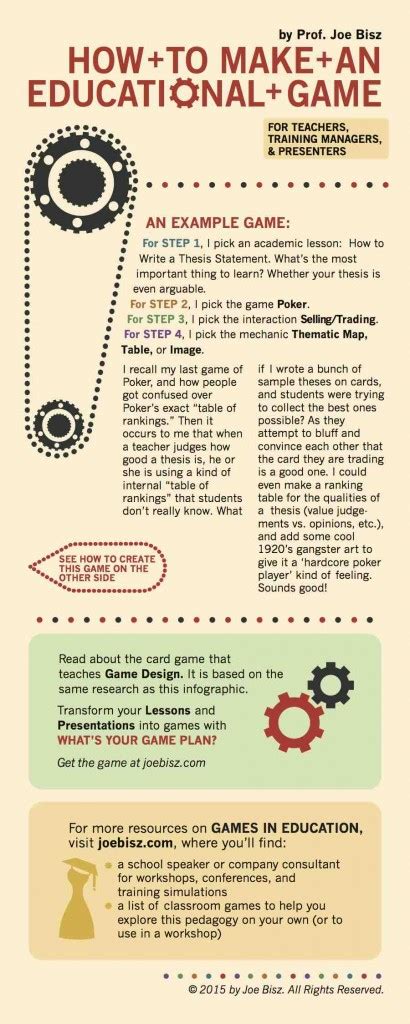
One of the most powerful strategies for managing complex mechanics is to break them down into smaller, digestible chunks. Instead of presenting an entire skill tree or economic system at once, segment it into logical sub-sections. Focus on explaining one key concept or system at a time, ensuring it is fully understood before moving to the next.
This modular approach prevents cognitive overload. Players can absorb and process information in manageable pieces, then gradually see how these individual components connect to form the larger, complex whole. Think of it as building with LEGOs – individual bricks are simple, but combined, they create something intricate.

Visuals and Examples: Show, Don’t Just Tell
Text alone, no matter how well-written, can struggle to convey the nuances of in-game mechanics. Incorporate visuals such as screenshots, diagrams, flowcharts, or even simple iconography to illustrate points. Seeing a highlighted UI element or a step-by-step visual sequence can clarify instructions far more effectively than a paragraph of text.
Additionally, provide concrete in-game examples. Instead of just stating “ability X deals damage,” offer a scenario: “Using ability X on a charging enemy will stun them, creating an opening for follow-up attacks.” Relatable scenarios help players contextualize the information and understand its practical application.
Progressive Disclosure: Layered Learning
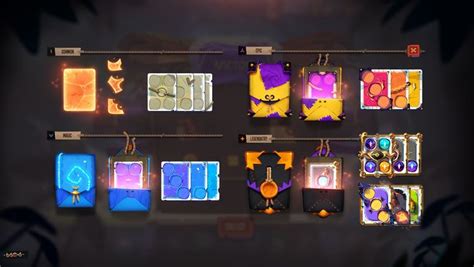
Not all information is equally important at every stage. Employ progressive disclosure, introducing advanced or situational mechanics only after the player has mastered the prerequisites. A new player doesn’t need to know about end-game raid strategies when they’re still figuring out how to equip an item.
Structure your guide so that core mechanics are presented upfront, followed by intermediate techniques, and finally, advanced strategies. This layered approach allows players to naturally progress their understanding, deepening their knowledge as their in-game experience grows. Allow players to revisit earlier sections easily if they need a refresher.

Clarity and Conciseness: The Language of Learning
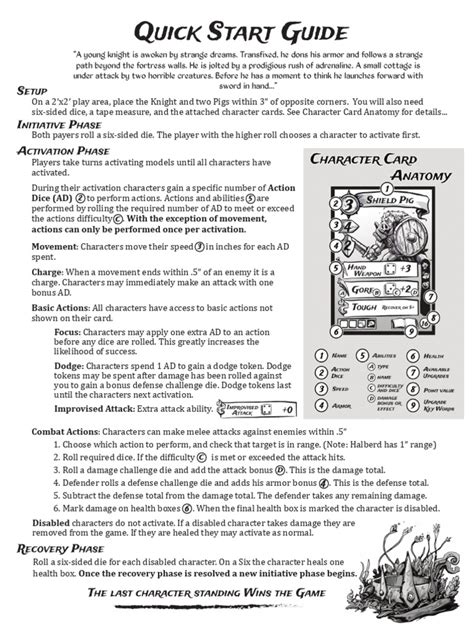
The language used in a game guide must be clear, direct, and concise. Avoid overly technical jargon where possible, or ensure any necessary game-specific terms are clearly defined upon their first mention. Use short sentences, active voice, and break up large blocks of text with bullet points, numbered lists, and appropriate headings.
Every word should serve a purpose. Eliminate filler and redundancy. The faster a new player can extract the essential information, the less overwhelmed they will feel. Simplicity in language directly correlates to ease of comprehension.

Practical Application: From Theory to Practice
A guide is a roadmap, not the destination. Encourage players to immediately apply what they’ve learned in the game. Suggest small, achievable practice exercises or challenges that reinforce the explained mechanics. For example, after explaining combat, suggest they try defeating a specific type of enemy using only the newly learned abilities.
The act of doing solidifies understanding. By linking theoretical knowledge directly to practical application, guides empower new players to experiment confidently, learn through experience, and ultimately master the game’s complexities at their own pace.
Conclusion: Empowering the New Player
Structuring game guides to simplify complex mechanics for new players is an art form that balances comprehensive information with digestible presentation. By starting with the basics, chunking information, leveraging visuals, employing progressive disclosure, maintaining clarity, and encouraging practical application, guide creators can transform potential frustration into genuine enjoyment and lasting engagement. The ultimate goal is to empower new players, turning confusion into competence, and ensuring they have the best possible start to their gaming journey.