How do you structure game beginner guides to prevent overwhelm and ensure quick learning?

Introducing new players to a complex game can be a daunting task. A poorly designed beginner guide can lead to frustration, overwhelm, and ultimately, player attrition. The goal is not just to explain everything, but to explain the right things at the right time, in a way that builds confidence and fosters quick learning. This requires a thoughtful, strategic approach to information delivery.
The Core Challenge: Information Overload
Many games throw a wall of text, a multitude of UI elements, and a barrage of mechanics at newcomers. This immediate sensory and cognitive overload is the primary enemy of quick learning. New players need a clear path, not a dense jungle. They need to feel competent, not confused, as they take their first steps into your game world.
Key Strategies for Effective Game Beginner Guides
1. Start with the Absolute Essentials
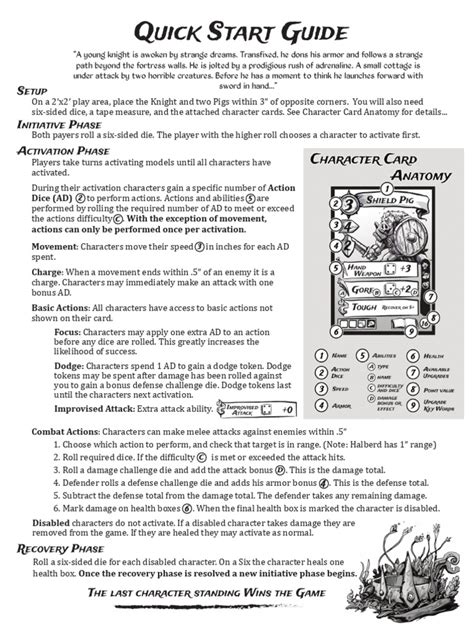
Before diving into advanced strategies or complex systems, focus on the bare minimum required to play. This typically includes movement, basic interaction (e.g., clicking, basic attack), and understanding the primary objective. Resist the urge to explain every button or menu item upfront. Introduce concepts on a ‘need-to-know’ basis.

2. Chunk Information into Digestible Bites
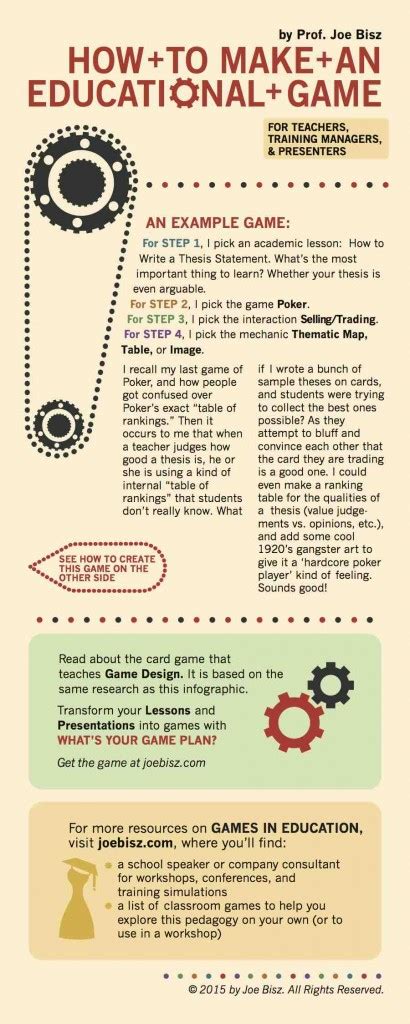
Instead of lengthy paragraphs or continuous videos, break down lessons into small, self-contained modules. Each module should ideally cover one core concept or mechanic. This makes the information less intimidating and easier to process. Think of it as a series of mini-lessons, each with a clear beginning and end.
3. Prioritize “Need-to-Know” Mechanics
Categorize your game’s mechanics into essential, important, and advanced. Your beginner guide should heavily emphasize the essential mechanics, briefly touch upon the important ones, and defer advanced concepts to later stages or optional reading. Players should be able to enjoy the core loop of the game without mastering every nuance.
4. Leverage Visuals and Interactive Examples
“Show, don’t just tell” is paramount in game guides. Use screenshots, short GIFs, contextual highlight overlays, or brief video clips to illustrate mechanics in action. Interactive prompts within the game itself (e.g., “Click here to move”) are even better, providing immediate feedback and reinforcement.
5. Provide Immediate Practice Opportunities
Learning is most effective when immediately put into practice. After explaining a new mechanic, give the player a low-stakes task or mini-challenge that requires them to use it. This hands-on experience solidifies understanding and builds muscle memory. The tutorial should feel like a guided play session, not a lecture.
6. Establish a Clear Learning Progression
Structure your guide like a curriculum, with concepts building upon previous ones. Each new lesson should feel like a logical next step, gradually increasing in complexity. Avoid jumping between unrelated topics. A clear path forward reduces cognitive load and allows players to feel a sense of accomplishment as they progress.
![Designing Game Progression and Progression Systems [Introductory Guide]](/images/aHR0cHM6Ly90czEubW0uYmluZy5uZXQvdGg/aWQ9T0lQLnVRbkJYQ1lSS2xsSVhpQktJTzU2VXdIYUVGJnBpZD0xNS4x.webp)
7. Keep Language Clear, Concise, and Encouraging
Avoid jargon, technical terms, or overly complex sentences. Use simple, direct language. Maintain an encouraging and positive tone throughout the guide. Acknowledge that learning takes time and reassure players that it’s okay to make mistakes. Celebrate small victories to keep motivation high.
8. Address Common Beginner Pitfalls
Anticipate where new players are likely to struggle or make common mistakes. Proactively address these areas in the guide, offering tips or clarifying potentially confusing aspects. This foresight can prevent frustration before it even begins.
Beyond the Basics: Ongoing Support
A beginner guide is just the first step. Consider providing in-game help sections, advanced tips accessible later, or links to community resources where players can continue their learning journey. The goal is to set them up for success, not just for the first five minutes, but for their entire experience with your game.
By thoughtfully structuring game beginner guides with these principles in mind, developers can transform the onboarding experience from a potential barrier into an engaging and empowering introduction, ensuring players quickly grasp the fundamentals and stay to explore the deeper aspects of the game.