How do you structure game beginner guides to avoid overwhelming new players?

The Challenge of Onboarding New Gamers
Introducing new players to a complex game can be a daunting task. The desire to share every intricate mechanic and deep lore can quickly lead to information overload, causing new recruits to abandon the game before they’ve even grasped its core appeal. An overwhelming first experience can irreversibly sour a player’s perception, leading to uninstalls and negative reviews. The key lies not in withholding information, but in presenting it strategically and progressively.
Effective beginner guides act as a gentle hand-holding mechanism, guiding players through the initial hurdles without making them feel patronized or lost. They build confidence, foster curiosity, and lay a solid foundation for deeper engagement. This article explores proven strategies for structuring game beginner guides to create a welcoming and engaging entry point for every new player.
Core Principles for Effective Beginner Guides
1. Prioritize and Employ Progressive Disclosure
Not all information is equally important at the start. Identify the absolute essentials – the core loop, basic controls, and immediate objectives – and present these first. Advanced mechanics, intricate crafting systems, or nuanced combat strategies can be introduced later, only when they become relevant or when the player actively seeks them out. This ‘progressive disclosure’ approach ensures players learn what they need when they need it, preventing cognitive overload.
2. Modular and Bite-Sized Information Delivery
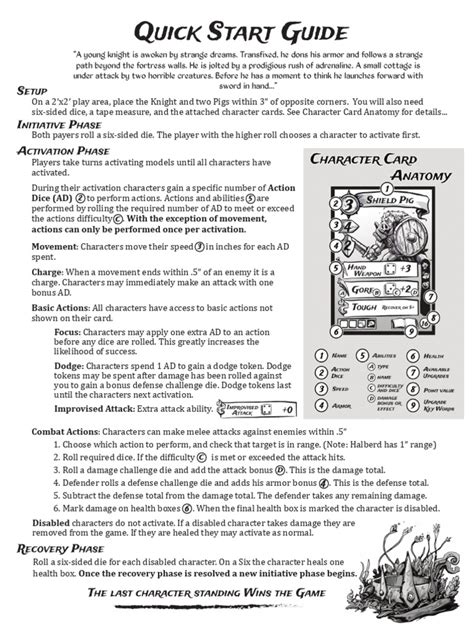
Break down complex systems into smaller, digestible modules. Instead of a single, sprawling tutorial, consider a series of short, focused lessons. Each module should cover one concept or mechanic, allowing players to master it before moving on. This approach also makes guides easier to revisit for specific information without wading through everything again.

3. Contextual and Experiential Learning
Theoretical explanations fall flat without practical application. Integrate learning directly into gameplay. Teach players how to move by having them navigate an obstacle course, or explain combat mechanics by throwing them into a low-stakes encounter. Experiential learning makes information stick better and immediately demonstrates the relevance of what’s being taught. Active participation is far more effective than passive reading.
4. Clear Language and Visual Aids
Avoid jargon, acronyms, or game-specific terminology until it has been clearly defined. Use simple, direct language that anyone can understand. Complement text with strong visual aids: screenshots, annotated diagrams, short video clips, or even animated GIFs can convey information far more efficiently than paragraphs of text. Visuals are especially crucial for explaining spatial relationships, control schemes, or user interface elements.
Practical Structuring Techniques
Interactive Tutorials and First Missions
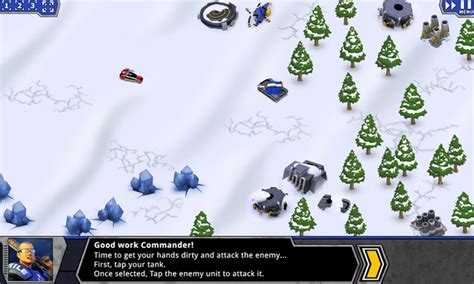
These are the gold standard for onboarding. A well-designed interactive tutorial guides players step-by-step through core mechanics, often within a narrative context that makes learning feel like part of the game. Follow this with a series of ‘first missions’ or quests that gently introduce more complex systems, gradually increasing difficulty and requiring players to apply what they’ve learned in new scenarios.
In-Game Tooltips and Knowledge Bases
For on-demand learning, implement context-sensitive tooltips that appear when players hover over UI elements or items. A robust, searchable in-game knowledge base or codex allows players to look up specific information when they encounter something new or need a refresher. This empowers players to learn at their own pace and explore topics of personal interest without being forced through linear guides.
External Resources (Optional but Helpful)
While primary onboarding should happen within the game, linking to well-curated external resources can be beneficial for advanced players or those seeking deeper dives. Official wikis, community forums, or developer-endorsed video guides can serve as valuable supplements for players who wish to explore beyond the basics.

Avoiding Common Pitfalls
Do not assume prior knowledge; always explain everything from a beginner’s perspective. Avoid front-loading too much information or having overly long, unskippable cutscenes or text blocks. Continually test your guides with actual new players to identify bottlenecks, confusion points, or areas where pacing is off. Iterate based on feedback to refine the onboarding experience.
Conclusion: Guiding, Not Dictating
The goal of a game beginner guide is to empower new players, not to dictate their entire experience. By adopting a structured, progressive, and player-centric approach, game developers can transform the potentially overwhelming first hours into an enjoyable and educational journey. Prioritize, modularize, contextualize, and clarify, and your game will be far more likely to retain its new adventurers, turning initial curiosity into lasting engagement.