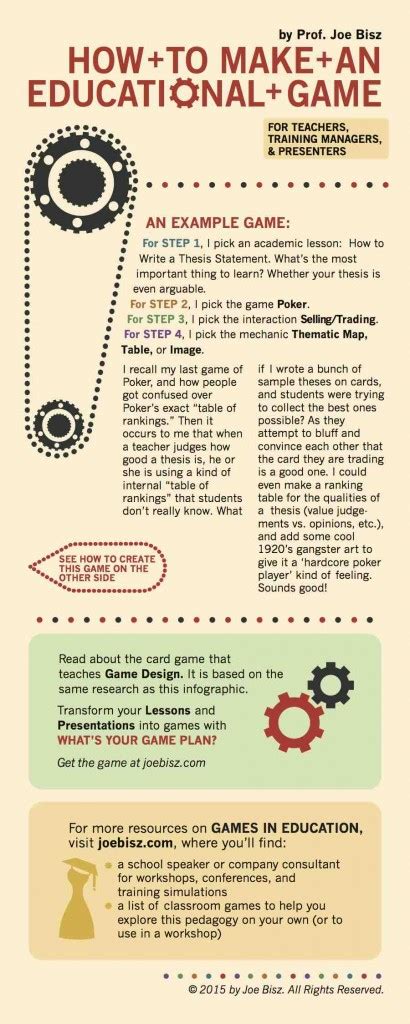
How do you structure a game guide for new players to master controls & basic strategy quickly?

Introduction: Why a Structured Guide Matters
For new players, diving into a complex game can be an overwhelming experience. A well-structured game guide is crucial not just for teaching them the ropes, but for ensuring they quickly grasp the fundamentals and stick around to enjoy the deeper aspects of the game. The goal is to minimize frustration and maximize early success, allowing players to build confidence and develop a sense of accomplishment from the outset.
The Foundation: Start with Controls
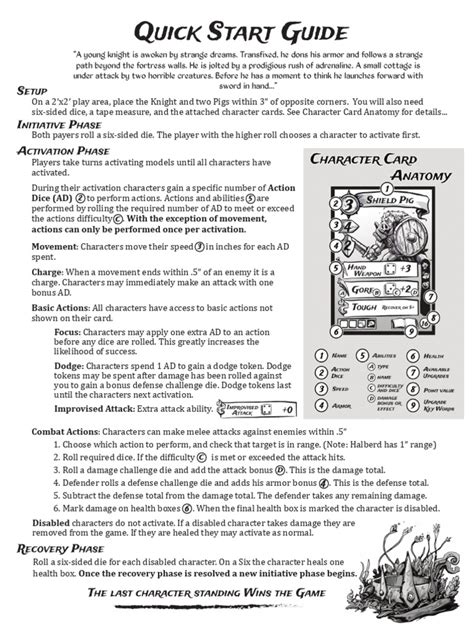
The very first hurdle for any new player is understanding how to interact with the game world. A guide should begin by meticulously breaking down the control scheme. Don’t just list button assignments; explain their purpose and context. Consider grouping controls logically (e.g., movement, combat, interaction) rather than presenting a monolithic list.
Ideally, this section should be interactive or at least describe controls in a way that encourages immediate practice. Use simple, non-threatening scenarios where players can try out each control without fear of failure. This builds muscle memory and familiarity before any real challenges are introduced.
Layering Mechanics: UI & Core Systems
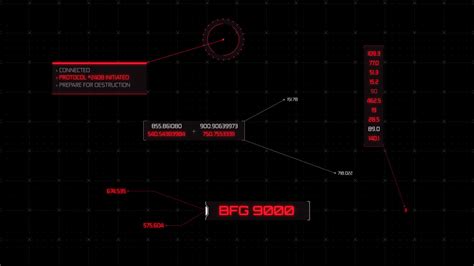
Once controls are solid, introduce the game’s user interface (UI) and core mechanics. Explain what each UI element signifies (health bar, mini-map, inventory slots, quest markers). Describe the basic loop of the game: e.g., ‘explore, gather, craft, fight’ or ‘accept quest, complete objective, turn in’.
This section should gently introduce concepts like inventory management, character progression (if applicable), and how to navigate menus. Avoid dumping too much information at once; introduce each system as the player is likely to encounter it naturally. Use visual aids or descriptions that paint a clear picture of what the player should expect to see on their screen.
First Steps: Basic Strategy & Objectives
With controls and basic mechanics understood, the guide should then shift to simple strategies and initial objectives. What’s the very first thing a player should do in the game? What are some common pitfalls to avoid? Provide actionable advice for early game scenarios, such as how to approach the first few enemies, where to find initial resources, or how to complete the introductory quests.
Focus on foundational strategies that provide a clear advantage without being overly complex. For example, in an RPG, advise players to complete side quests for experience. In a strategy game, suggest building basic defenses first. The goal here is to empower players to make informed decisions and feel competent in early engagements.

Reinforcement Through Practice & Tips
A good guide doesn’t just inform; it encourages. Include sections that prompt players to practice specific skills or experiment with learned mechanics. Offer troubleshooting tips for common new player issues, such as getting lost, running out of resources, or struggling with a particular enemy type.
Suggest small challenges or goals that players can set for themselves. For instance, ‘Try to defeat 5 enemies without taking damage’ or ‘Find all the hidden collectibles in the starting zone’. This reinforces learning through application and helps cement their understanding of controls and basic strategy in a practical context.
Beyond the Basics: What’s Next?
While the focus is on quick mastery, a good guide can briefly point towards the game’s future complexities. This isn’t about teaching advanced mechanics, but rather indicating that there’s more depth to explore once the basics are mastered. Mentioning where to find more advanced guides, community forums, or in-game tutorials for specific systems can provide a clear path forward for motivated players.
This acts as a bridge, reassuring players that their initial efforts will pay off as they delve deeper into the game’s challenges and rewards. It keeps them engaged by highlighting the rich experience that awaits them beyond the beginner stages.

Conclusion
Structuring a game guide for new players is about creating a logical, progressive learning path. Start with the absolute essentials—controls—and gradually introduce layers of complexity: UI, core mechanics, and basic strategy. By breaking down the learning curve into manageable chunks, providing clear explanations, and encouraging practice, you can transform an overwhelming new player experience into an engaging and empowering journey towards quick mastery and lasting enjoyment.