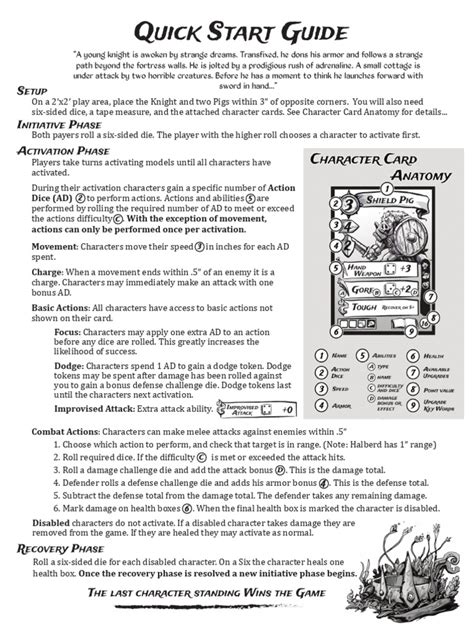
How do you structure a game beginner guide to prevent overwhelm and teach core gameplay?
Onboarding new players to a complex game is a delicate art. The goal is to get them hooked, not overwhelmed. A well-structured beginner guide is crucial for success, ensuring new players grasp core gameplay concepts without feeling like they’re drowning in information. This article will explore strategies for designing guides that gently introduce mechanics and foster engagement.
The Core Challenge: Overwhelm vs. Engagement
The biggest hurdle for any beginner guide is the balance between providing sufficient information and avoiding information overload. Too much detail too soon can cause players to shut down, while too little leaves them confused and frustrated. The key is to introduce concepts iteratively, building a solid foundation piece by piece.
Foundational Principles for Effective Onboarding
Before diving into specific structures, understand these guiding principles:
- Gradual Introduction: Present information in small, digestible chunks. Each new concept should build upon previously learned material.
- Context and Purpose: Always explain why a mechanic is important before detailing how to use it. Players learn faster when they understand the relevance.
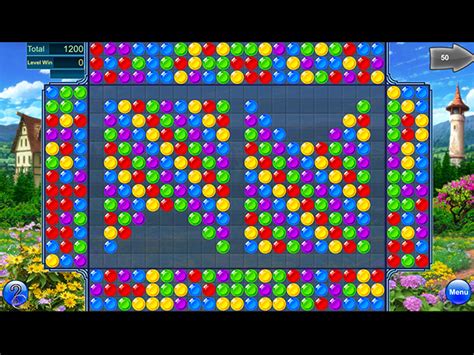
- Active Learning: Encourage players to immediately apply what they’ve learned through hands-on practice. Reading isn’t enough; doing is essential.
- Clear Goals: Give players small, achievable objectives within the guide to provide a sense of progression and accomplishment.
By adhering to these principles, guides become less a lecture and more an interactive learning experience.
Structuring the Guide: A Phased Approach
A phased approach breaks down the learning journey into manageable stages, each focusing on a specific set of skills or knowledge.
Phase 1: The Absolute Basics (0-5% Knowledge)
Focus on the bare minimum required to interact with the game world. This includes:
- Movement and Camera Controls: How to navigate the environment.
- Primary Interaction: The core action button (e.g., attack, pick up, use).
- Basic UI Elements: Health bar, minimap (if critical).
- First Objective: A very simple, immediate goal (e.g., ‘walk to the glowing spot,’ ‘defeat one enemy’).
This phase should be quick, intuitive, and get the player actively moving within minutes.
Phase 2: Essential Mechanics & Core Loop (5-20% Knowledge)
Once players can move and perform basic actions, introduce the fundamental gameplay loop and essential systems:
- Core Combat/Interaction System: Deeper dive into attacking, dodging, blocking, or resource gathering.
- Inventory Management: How to pick up, equip, and use basic items.
- Quest/Objective System: How to accept, track, and complete primary tasks.
- Character Progression Basics: Simple leveling or skill unlocking.
Phase 3: Expanding Horizons & Strategy (20-50% Knowledge)
This phase builds on the core, introducing more complex mechanics and strategic elements:
- Advanced Combat/Mechanics: Special abilities, combos, elemental weaknesses, crafting.
- World Exploration: Understanding different zones, fast travel, points of interest.
- Resource Economy: Trading, upgrading, managing multiple resource types.
- Teamplay/Social Mechanics: If applicable, basic cooperative or competitive play concepts.
Players should now have a solid grasp of how to play and start to formulate basic strategies.
Phase 4: Advanced Concepts & Mastery (50%+ Knowledge)
This stage is less about a guided tutorial and more about providing resources for continued learning and optimization:
- Endgame Content: Raids, competitive ladders, long-term goals.
- Optimization & Theorycrafting: Deeper character builds, advanced strategies.
- Community Resources: Pointers to wikis, forums, content creators.
Practical Tips for Guide Implementation
- Visual Aids are Paramount: Use screenshots, GIFs, short video clips, or clear in-game markers to illustrate concepts. Show, don’t just tell.
- Reinforce and Remind: Gently remind players of learned mechanics when new, related ones are introduced.
- Allow Skips: Experienced players or those returning to a game might want to skip basic sections. Provide options to bypass.
- Contextual Tutorials: Integrate tutorials directly into gameplay rather than a separate, dry menu. Introduce mechanics precisely when the player needs to use them.
- Playtesting is Key: Observe new players carefully. Where do they get stuck? What questions do they ask? Use this feedback to refine your guide iteratively.

Common Pitfalls to Avoid
- Wall of Text Syndrome: Avoid long paragraphs of static text. Break it up with visuals and interactive elements.
- Assuming Prior Knowledge: Never assume a new player understands genre conventions or previous game mechanics.
- Ignoring Player Agency: While guiding, still allow players some freedom to explore and experiment within the guided parameters.
- Poor Pacing: Introducing too many mechanics at once or having long stretches of inactivity.

Conclusion
Structuring an effective game beginner guide requires empathy for the new player and a thoughtful, phased approach to information delivery. By focusing on gradual introduction, active learning, and clear purpose, you can prevent overwhelm, efficiently teach core gameplay, and transform potential frustration into lasting engagement. A well-designed guide is not just a necessity; it’s the player’s first memorable experience and a cornerstone of your game’s success.