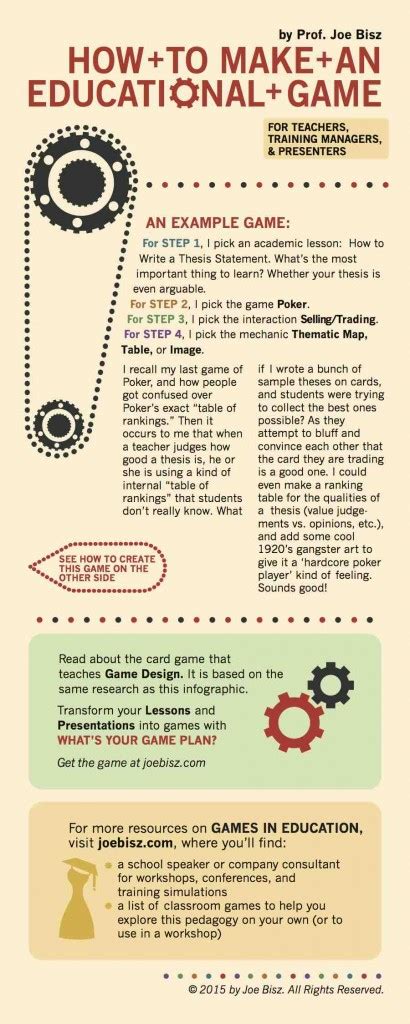
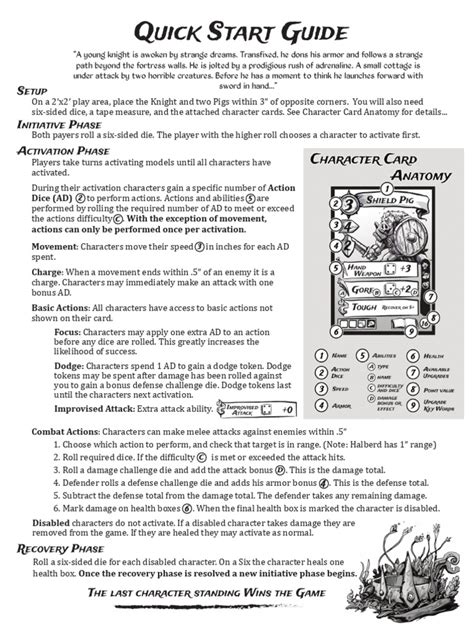
How do you simplify complex game mechanics without ‘dumbing down’ for new players?

The Delicate Balance: Depth vs. Accessibility
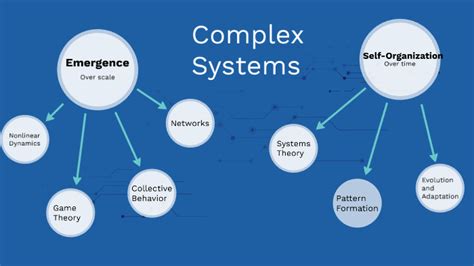
Many beloved games derive their longevity and replayability from intricate systems, deep strategic choices, and mechanics that reward mastery. However, these very complexities can present a formidable barrier to entry for new players, leading to frustration and early abandonment. The challenge for game designers is to create a welcoming experience that gently introduces newcomers to these systems without stripping away the rich layers that experienced players cherish – essentially, simplifying without ‘dumbing down’.
Achieving this balance is an art form, requiring careful consideration of how information is presented, when it’s revealed, and how players are allowed to interact with the game world. It’s about designing a learning curve that feels natural and empowering, rather than overwhelming or condescending.
Progressive Learning: The Gentle Introduction
One of the most effective strategies is progressive learning. Instead of dumping all rules and mechanics on a new player at once, the game introduces them gradually. This often begins with a well-designed tutorial that focuses on core actions and immediate objectives, slowly expanding the scope as the player demonstrates understanding.
Think of it as peeling an onion: each layer reveals new possibilities and intricacies. Early missions might limit available abilities or resources, allowing players to master fundamental concepts before advanced options become available. This ‘gating’ of content ensures that players build a foundational understanding before they are expected to manage the game’s full complexity.
Intuitive UI/UX and Visual Clarity
A cluttered or confusing user interface (UI) can make even simple mechanics feel complex. Conversely, a clean, intuitive UI and excellent user experience (UX) design can make complex systems feel manageable. Visual cues play a crucial role here. For instance, color-coding, clear iconography, and spatial arrangements can quickly convey information without requiring players to read extensive text.
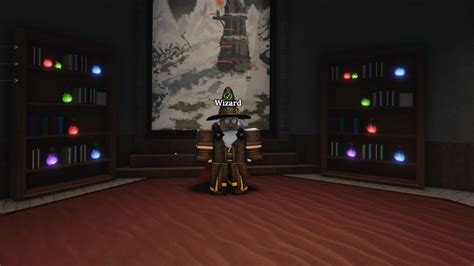
Consider how many games use glowing objects to indicate interactable elements, or distinct health bars to show enemy strength. These visual shorthand methods allow players to quickly parse information and make decisions, reducing cognitive load and allowing them to focus on the strategic depth rather than struggling with the interface itself.

Contextual Information and Gradual Reveals
Instead of an extensive in-game manual, contextual help systems empower players to seek information when they need it most. Tooltips that appear on hovering over an item or ability, or an in-game encyclopedia that updates dynamically as new elements are encountered, are excellent examples. This approach respects the player’s agency and learning style.
Furthermore, many games gradually reveal deeper mechanics as players progress. For example, a crafting system might start with simple ingredient combinations, with more complex recipes or advanced enchantment options unlocked much later. This ensures that new players aren’t daunted by the full scope of possibilities right away but have something to look forward to as they become more proficient.
Practice and Experimentation: Learn by Doing
Humans often learn best by doing. Providing safe spaces for experimentation is vital. This could be a dedicated training arena, a sandbox mode, or early game areas where failure has minimal consequences. In such environments, players can freely test different strategies, abilities, or build orders without the pressure of a high-stakes competitive match or difficult story progression.
This hands-on approach allows players to discover cause-and-effect relationships within the game’s mechanics organically. When they encounter a complex system, they can retreat to a practice ground to understand its nuances before applying that knowledge in a more challenging scenario, fostering a deeper, more personal understanding.

Conclusion: The Art of Nuance
Ultimately, simplifying complex game mechanics without ‘dumbing down’ is about smart design, not subtraction. It involves carefully orchestrating the player’s journey, providing clear and timely information, designing intuitive interfaces, and offering opportunities for self-directed learning. By focusing on progressive revelation, contextual help, and a user-centric approach, developers can ensure their games remain accessible to newcomers while retaining the rich, rewarding depth that keeps veteran players engaged for years to come.