How do you simplify complex game mechanics for beginner guides?

Writing beginner guides for games with intricate systems can feel like translating ancient texts. The goal isn’t just to explain what a mechanic does, but to ensure a complete novice understands its purpose, how to engage with it, and why it matters to their gameplay experience. Simplification is key to player retention and enjoyment, turning potential frustration into a smooth learning curve.
Know Your Audience Inside Out
Before you even begin writing, identify who your beginner truly is. Are they new to gaming entirely, or just new to this specific genre or game? Understanding their baseline knowledge helps you determine how much foundational explanation is necessary. Avoid assumptions and address potential points of confusion directly. Tailor your language; casual gamers might appreciate a less technical, more encouraging tone, while strategy enthusiasts might prefer concise, direct explanations of cause-and-effect. This foundational step ensures your guide hits the right mark without being condescending or overwhelming.

Break It Down: The “Chunking” Method
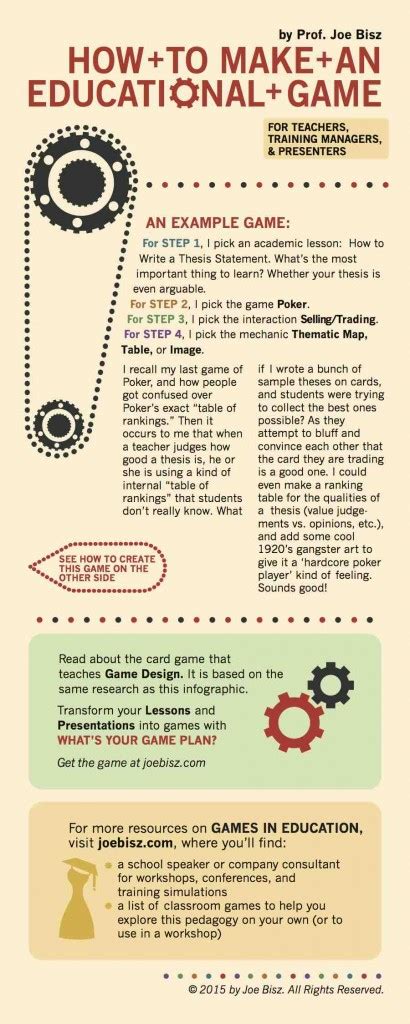
Complex mechanics are often a collection of smaller, interconnected systems. The most effective way to simplify them is to break them into manageable “chunks.” Instead of explaining an entire crafting system at once, start with gathering resources, then introduce basic recipes, then advanced recipes, and finally, the inventory management involved. Each chunk should build upon the previous one, creating a logical progression of understanding.
For instance, when explaining a character’s skill tree:
- Overview: What is the skill tree for?
- Basic Navigation: How do you open it and select skills?
- Skill Types: Differentiate between passive, active, and ultimate skills.
- Points Allocation: How do you earn and spend points?
- Progression: How does choosing certain skills affect future options?
This modular approach prevents information overload and allows beginners to master one concept before moving to the next.
Use Analogies and Real-World Examples
Sometimes, the most daunting game mechanics can be demystified by relating them to concepts outside the game world. Is a game’s resource management similar to managing a household budget? Is a combat ability like calling in an air strike? Creative analogies provide a familiar framework for understanding new, abstract ideas.
When explaining “aggro” in an MMORPG, for example, you might compare it to a bully on a playground who targets whoever seems most threatening. Similarly, a game’s “economy” can be related to a real-world stock market. These connections create immediate mental shortcuts, making the mechanic feel less alien and more intuitive.

Leverage Visuals and Step-by-Step Instructions
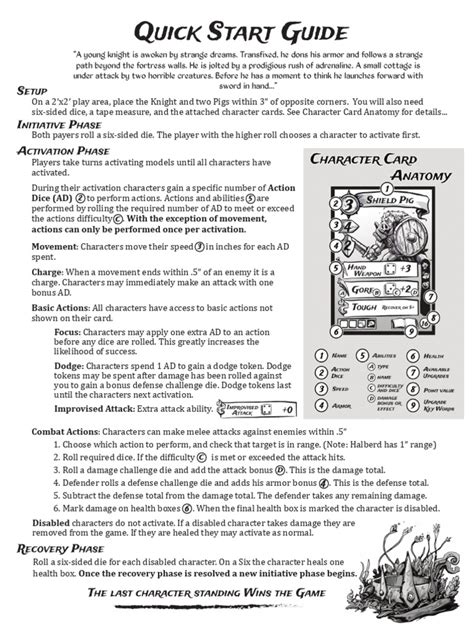
“Show, don’t just tell” is a golden rule for beginner guides. While you’re writing text, remember to describe the types of visuals that would be helpful. Screenshots, flowcharts, or diagrams demonstrating button presses, UI elements, or progression paths are invaluable. In your guide, verbally walk the reader through each action: “First, navigate to the ‘Inventory’ tab (usually indicated by a backpack icon). Next, click and drag the ‘Healing Potion’ onto your hotbar slot 1.”
Clear, numbered or bulleted lists for sequences of actions are far more digestible than dense paragraphs. Pair these steps with descriptive text that explains why each step is taken, not just what to do.

Test and Refine Your Guide
The best way to know if your simplification efforts are successful is to put them to the test. Ask someone unfamiliar with the game (ideally someone matching your target beginner audience) to read and follow your guide. Observe where they struggle, what questions they ask, and which parts remain unclear.
This feedback loop is critical. Don’t be afraid to rewrite entire sections, rephrase sentences, or add more introductory context. Often, what seems obvious to an experienced player is a complete mystery to a novice. Iterative refinement ensures your guide is truly accessible and effective.

Simplifying complex game mechanics for beginner guides is an art form that blends clear communication with empathy for the new player experience. By understanding your audience, breaking down concepts, using relatable analogies, leveraging strong visuals (even if described textually), and rigorously testing your explanations, you can transform daunting systems into engaging learning opportunities. A well-crafted beginner guide doesn’t just explain the game; it invites players to truly enjoy and master it.