How do you simplify complex game mechanics for absolute beginners effectively?

Introducing absolute beginners to games with intricate systems can be a daunting task. The line between challenging and overwhelming is thin, and a poorly explained mechanic can quickly lead to player frustration and abandonment. Mastering the art of simplification isn’t about dumbing down your game; it’s about intelligent onboarding that empowers new players to confidently engage with its full depth.
Start with the Core Loop, Build Gradually
The most effective way to introduce complex mechanics is by focusing on the absolute essentials first. Identify the core loop – the primary action-reaction cycle that defines your game – and teach only that. For an RTS, it might be ‘build a unit, send it to attack’. For an RPG, ‘accept quest, defeat enemy, gain loot’.
Once the core loop is understood and practiced, gradually introduce additional layers. Each new mechanic should build upon previously learned concepts, like adding a new tool to a toolkit the player already knows how to use. Avoid information overload; present one new concept at a time, allowing for practice and mastery before moving on.
Visual Aids and Interactive Tutorials
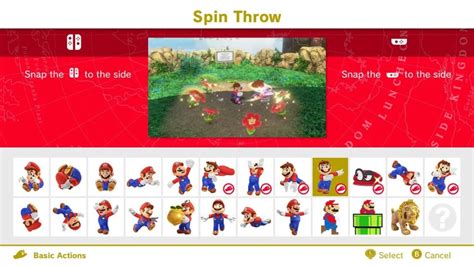
A wall of text is the enemy of a beginner. Visuals are paramount. Use clear, concise visual cues within the game itself: highlighted UI elements, animated arrows, distinct sound effects, and character dialogue that points to relevant information. Show, don’t just tell.

Interactive tutorials are far superior to passive ones. Instead of simply reading how to perform an action, have the player perform it directly within the game environment. This active learning approach builds muscle memory and a deeper understanding. Provide immediate, constructive feedback for correct and incorrect actions.
Contextual Learning and “Learning by Doing”
Abstract explanations often fall flat. Mechanics make more sense when taught in context, as part of the actual gameplay experience. Integrate tutorials seamlessly into the early game rather than sequestering them in a separate menu. For example, introduce a ‘cover’ mechanic when the player first encounters an enemy that shoots back, not in a pre-game training room.

“Learning by doing” also means explaining the ‘why’ alongside the ‘what’. Why is resource management important? Because without it, you can’t build advanced structures. Why is positioning crucial in combat? Because it reduces incoming damage. Understanding the strategic implications of a mechanic motivates players to learn it.
Progressive Disclosure and Scaffolding
Not all mechanics need to be available or explained from the very beginning. Progressive disclosure involves revealing game elements and mechanics only when they become relevant to the player’s progression. This reduces initial complexity and keeps players from feeling overwhelmed by choices they don’t yet understand.

Scaffolding refers to temporary aids that help beginners cope with complexity. This could be anything from auto-aim assistance, simplified control schemes, or UI elements that highlight optimal actions. As players gain proficiency, these ‘scaffolds’ can be gradually removed or made optional, allowing them to take full control and master the game on their own terms.
Clear, Concise Language and Analogy
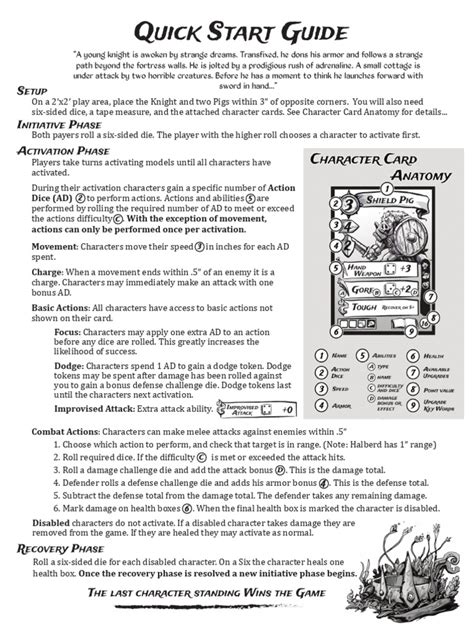
When you do need to use text, make it count. Avoid technical jargon specific to your game or genre unless absolutely necessary, and if you must use it, explain it immediately. Use simple, direct language. Break down explanations into short sentences and bullet points. Complex ideas can often be simplified using real-world analogies that players can easily relate to.

Remember, your goal is to make the player feel smart, not dumb. Guide them patiently, celebrate their small victories, and foster a sense of accomplishment as they unlock new layers of your game’s mechanics. Effective simplification is the cornerstone of great player onboarding and long-term engagement.