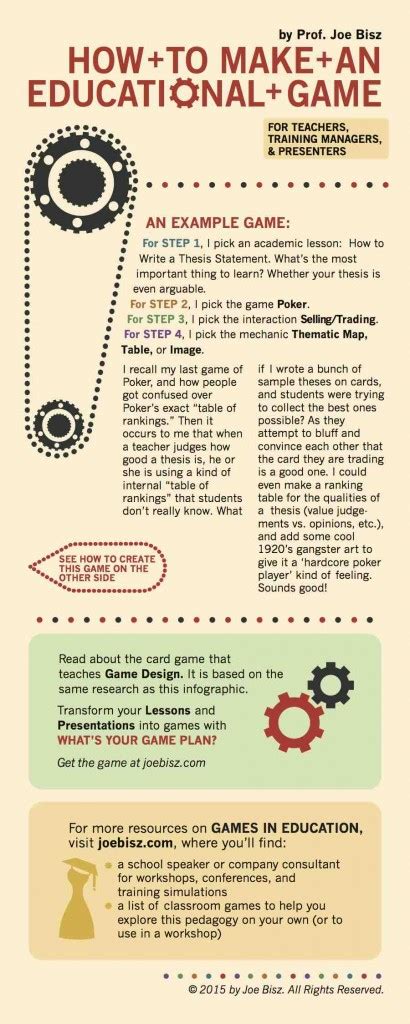
How do you simplify advanced game concepts for a beginner guide without losing depth?
The Delicate Balance of Simplification and Depth
Creating a beginner’s guide for a game with intricate mechanics presents a unique challenge: how do you make complex ideas accessible without stripping away the very depth that makes the game engaging? The goal isn’t just to teach players what to do, but why they should do it, fostering a true understanding that empowers them to master the game.
Achieving this balance requires a methodical approach that prioritizes clarity, context, and a gradual introduction to advanced systems. It’s about building a strong foundation of understanding, layer by layer, rather than overwhelming new players with a deluge of information from the outset.
Know Your Audience: The True Beginner
Before simplifying, understand who you’re simplifying for. A true beginner might not understand common gaming terminology, strategic archetypes, or even basic UI conventions. Avoid jargon where possible, or explain it clearly upon its first introduction. Think about their potential prior experiences – are they new to the genre, or new to gaming entirely? This dictates the level of foundational explanation required.
- Assume Nothing: Don’t take prior knowledge for granted.
- Focus on Core Concepts First: What absolutely must they know to play the first few minutes?
- Contextualize: Explain why a concept is important early on.
Breaking Down Complexity with Chunking
One of the most effective strategies is to break down advanced concepts into smaller, digestible chunks. Instead of explaining an entire economic system at once, introduce resource gathering, then production, then trade, and finally the interplay between them, each as a separate, manageable piece of information. This prevents cognitive overload and allows players to absorb one idea before moving to the next.
Step-by-Step Explanations
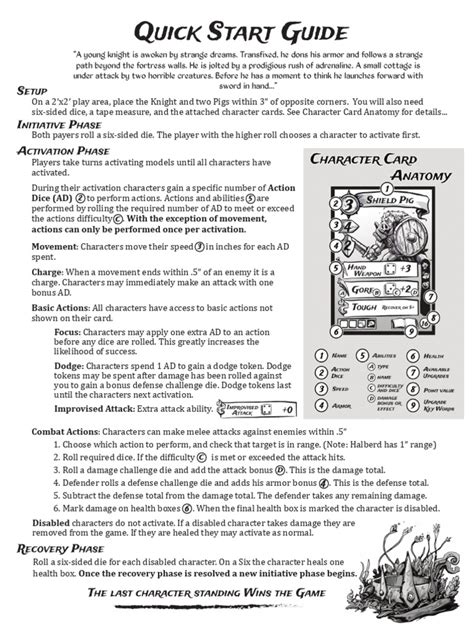
Presenting information in a sequential, step-by-step manner guides the player through the learning process. Use clear headings, bullet points, and numbered lists to structure the information logically. Each step should build upon the previous one, creating a natural progression of understanding.

Analogies and Metaphors: Bridging the Unknown
Relate unfamiliar game mechanics to concepts players already understand from real life or other games. For instance, explaining a complex “aggro” system in an RPG might be simplified by comparing it to attracting attention in a crowded room. A crafting system could be like following a recipe. These analogies provide an immediate mental hook, making the abstract concrete and relatable.
Ensure the analogies are apt and don’t introduce new misunderstandings. The goal is clarity, not cleverness for its own sake.

Visual Aids and Practical Examples
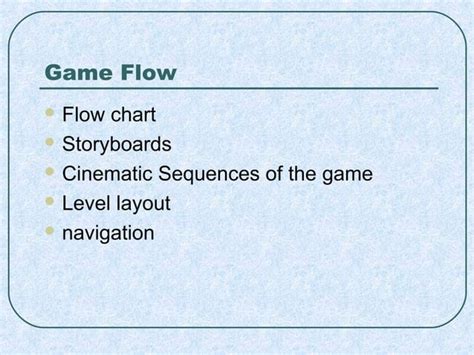
Show, don’t just tell. Diagrams, screenshots with highlighted areas, animated GIFs, or short video clips can illustrate concepts far more effectively than text alone. When explaining a combat rotation, show the exact sequence of abilities. For a building placement strategy, provide a visual example of an optimal layout.
Complement visual aids with concrete, in-game examples. Instead of just defining “critical hit chance,” show an example where a critical hit occurs, highlighting the damage number difference, and explain how it was calculated in that specific instance.
Layered Learning and Progressive Disclosure
Not all information is equally important at the start. Introduce core mechanics first, and then progressively reveal deeper layers of complexity as the player gains experience. This “learn as you go” approach can be implemented through:
- Early Game Limitations: Initially lock off certain advanced features or units.
- Tutorial Quests: Guide players through specific scenarios that introduce new mechanics.
- Tooltips and Info Boxes: Provide more detailed explanations only when a player hovers over or interacts with an element.
- Mid-Game Guides: Offer separate, more advanced guides that are linked from the beginner guide but don’t clutter the initial learning path.
This method prevents overwhelming beginners while still making all the depth available when they’re ready for it.

Maintaining Depth: The “Why” Behind the “What”
Simplification shouldn’t mean sacrificing the strategic implications. Once a concept is introduced, explain its purpose and impact. Why is this resource important? How does this ability interact with others? What are the strategic trade-offs? This is where true depth is preserved – by explaining the relationships between concepts and their tactical significance.
Encourage experimentation. Provide scenarios or questions that prompt players to think about how they would apply the learned concepts in different situations. A true understanding of depth comes from internalizing the mechanics and being able to predict outcomes.
Conclusion
Simplifying advanced game concepts for a beginner’s guide is an art of careful curation and empathetic instruction. By understanding your audience, breaking down complexity, leveraging analogies and visuals, and employing progressive disclosure, you can create a guide that welcomes new players without diluting the rich, rewarding depth of your game. The ultimate goal is to empower beginners to evolve into confident masters, appreciating every nuanced layer the game has to offer.