How do you simplify a complex game’s core loop for absolute beginners?

The Challenge of Onboarding Beginners to Complex Games
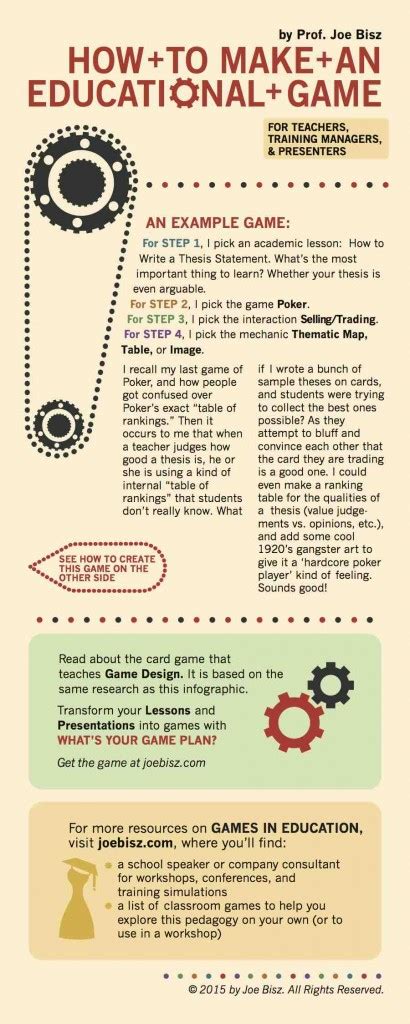
Many modern games boast deep mechanics and intricate core loops, offering rich experiences for seasoned players. However, this complexity often creates a formidable barrier for absolute beginners. How can developers and designers distill the essence of a challenging game into an approachable experience without sacrificing its depth? The key lies in strategic simplification and masterful onboarding, focusing on the core loop.
Deconstructing the Core Loop
Before you can simplify, you must first understand. A game’s core loop is the repeatable cycle of actions and rewards that forms the foundation of its gameplay. For instance, in an RPG, it might be: Explore → Fight → Loot → Upgrade → Repeat. In a strategy game: Gather Resources → Build → Train Units → Attack → Repeat. Pinpoint every micro-interaction and the dependency between them.
1. Identify the Absolute Essentials
Strip away everything that isn’t critical for a player to understand the fundamental “verb” of your game. What is the absolute minimum sequence of actions a player needs to perform to experience a sense of progression and satisfaction? Focus on this naked core. Are there elements that can be introduced later, or abstracted for the initial experience?
2. Break Down Complex Actions
If an action has multiple sub-steps, can you automate or combine them initially? For example, instead of requiring players to manually gather wood, stone, and food for their first building, perhaps they just click “build hut” and the resources are automatically, or semi-automatically, consumed or even provided for free in the very first tutorial stages. Gradually introduce the complexities of resource management.

Strategies for Progressive Revelation
Don’t dump everything on a new player at once. Instead, adopt a “learn by doing” approach, introducing mechanics one at a time and ensuring mastery before moving on.
1. Guided First Experience
The first few minutes of gameplay should be heavily guided. Use clear visual cues (arrows, highlights), contextual tooltips, and non-intrusive text prompts. Think of it as a guided tour through the most basic iteration of your core loop. This isn’t about lengthy tutorials, but about interactive learning.
2. Layered Mechanics Introduction
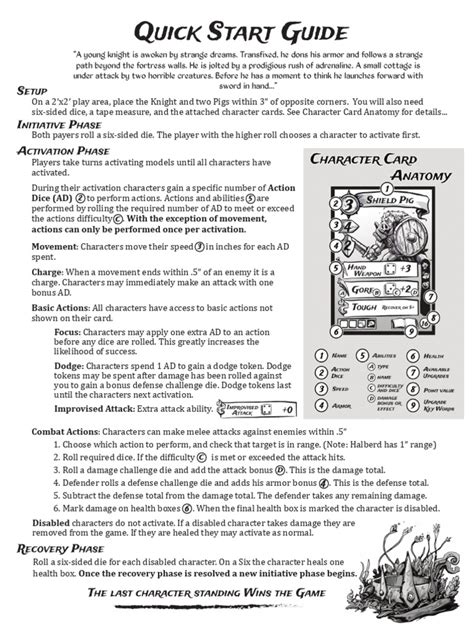
Introduce new mechanics sequentially. For instance, if your game has combat, resource gathering, and crafting, don’t teach all three simultaneously. Start with basic combat, then introduce simple resource gathering, then combine them for basic crafting. Each new layer should build upon learned concepts.
3. Simplified UI & Feedback
For beginners, simplify the user interface. Show only essential information and buttons. As players progress, gradually reveal more advanced options. Provide immediate and clear feedback for every action. Did they click correctly? Did their attack land? Did they earn a reward? Positive reinforcement reinforces learning.
Building Confidence with Early Wins
Absolute beginners need to feel competent quickly. This builds confidence and encourages them to continue learning.
1. Guaranteed Success Scenarios
Design early challenges that are impossible to fail. This could be a combat encounter where the player is overpowered, or a puzzle with a clear, single solution. These “wins” provide a sense of accomplishment and motivate further engagement.
2. Focus on One Concept at a Time
Each early mission or objective should ideally focus on teaching and reinforcing one new concept or a single simple iteration of the core loop. Avoid multi-objective tasks until the player has a firm grasp of individual components.
3. Contextual Help & Reminders
While an initial tutorial is crucial, ongoing contextual help can prevent frustration. If a player hasn’t used a particular mechanic in a while, a subtle reminder or tooltip can jog their memory without being overbearing.

Iterate, Test, and Observe
Simplification isn’t a one-and-done process. It requires continuous refinement.
1. Playtesting with True Beginners
The most valuable feedback comes from players who have never touched your game or even your genre before. Observe their struggles, confusion points, and moments of clarity. Don’t explain; just watch.
2. Data-Driven Refinement
Implement analytics to track where players drop off, what features they engage with, and where they spend their time. This data can highlight areas where the core loop might still be too complex or confusing.
3. Be Willing to Cut or Postpone
Sometimes, the best simplification is removing a feature (at least from the early game) or postponing its introduction until much later. Not every mechanic needs to be present from minute one.

Conclusion
Simplifying a complex game’s core loop for absolute beginners is an art form that balances accessibility with depth. By meticulously deconstructing the loop, employing progressive revelation, fostering early confidence, and committing to iterative testing, developers can craft an inviting gateway that gradually introduces players to the rich experiences their complex games have to offer, turning potential drop-offs into loyal, engaged fans.