How do you prioritize essential game mechanics for a beginner guide’s actionable first steps?

Welcoming new players into a game is crucial for retention, and a well-structured beginner guide that focuses on truly actionable first steps can make all the difference. The challenge lies in distilling a complex game’s mechanics down to the absolute essentials without overwhelming the newcomer. This article explores strategies for prioritizing those critical game mechanics to ensure a smooth, engaging, and successful initial learning experience.
Identify the Absolute Core Gameplay Loop
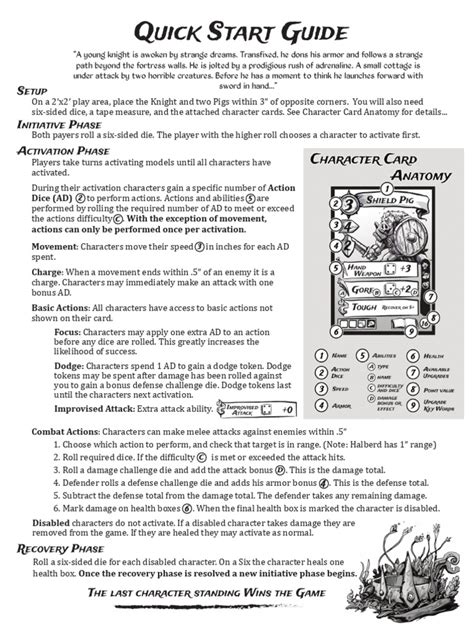
Before you can prioritize, you must understand the fundamental actions a player must take to even begin playing your game. What is the bare minimum sequence of actions that constitutes one complete, satisfying cycle of gameplay? This often involves movement, basic interaction (e.g., attacking, gathering, speaking), and achieving a very simple, immediate objective. Strip away all embellishments and identify the core verbs of your game. This initial loop forms the backbone of your beginner guide.
Prioritize by Immediate Necessity and Impact
When deciding what mechanics to introduce first, ask yourself: “Can the player even start playing or progress without knowing this?” If the answer is no, it’s a priority. Mechanics that unlock other essential actions, prevent immediate failure, or directly contribute to the game’s primary objective should come before optional quality-of-life features or advanced strategies. Focus on what gets them moving and interacting immediately.
Favor “Learn-by-Doing” over Information Dumps
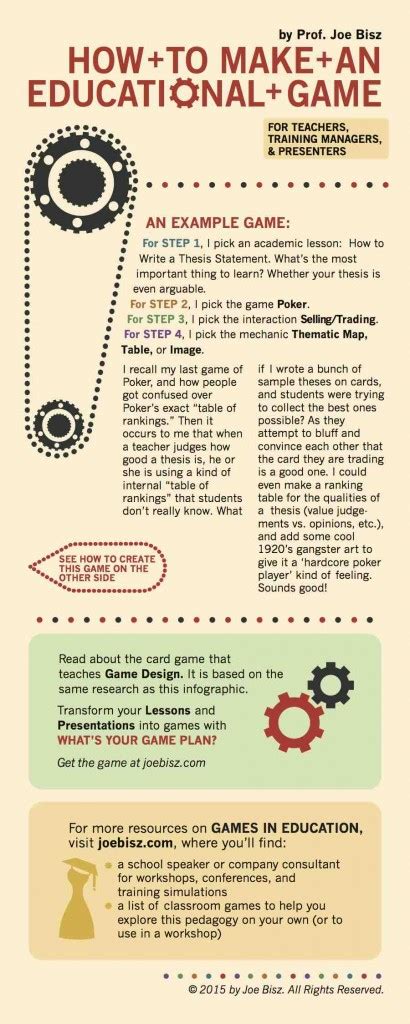
Beginners learn best through direct experience. Instead of lengthy text explanations, design your guide to encourage immediate application of a mechanic. Introduce a concept, then provide a simple task or scenario where the player must use that mechanic to proceed. This active learning approach solidifies understanding and builds confidence far more effectively than passive reading.

Filter Out All “Nice-to-Knows” for the First Steps
Every game has layers of depth. For a beginner guide’s first steps, ruthlessly cut anything that isn’t absolutely essential for the initial success and understanding. Advanced combos, intricate lore details, optimization strategies, or complex resource management systems can wait. The goal is to get the player playing and enjoying, not to turn them into an expert on day one. An overwhelmed player is a lost player.
Group Related Mechanics and Introduce Incrementally
Don’t throw a dozen isolated mechanics at once. Group them logically (e.g., all movement controls together, all basic combat actions together). Furthermore, introduce these groups incrementally. Allow the player to master one set of mechanics before adding another layer. This layering prevents cognitive overload and allows for a more natural learning curve, building complexity step by step.
Emphasize Early Success and Clear Feedback
Beginners need positive reinforcement. Structure your guide so that players experience small, achievable successes early and often. When they correctly use a mechanic, provide clear and immediate feedback (e.g., a visual effect, a sound, a confirmation message). This feedback loop is vital for understanding if they’re performing actions correctly and encourages continued engagement.

Prioritizing essential game mechanics for a beginner guide is an art of subtraction. It’s about empathy for the new player, understanding their potential for overwhelm, and designing a path that gently leads them into the heart of your game. By focusing on the core loop, actionable learning, and incremental introduction of vital concepts, you can transform potential frustration into lasting engagement, setting your players up for a truly enjoyable journey.