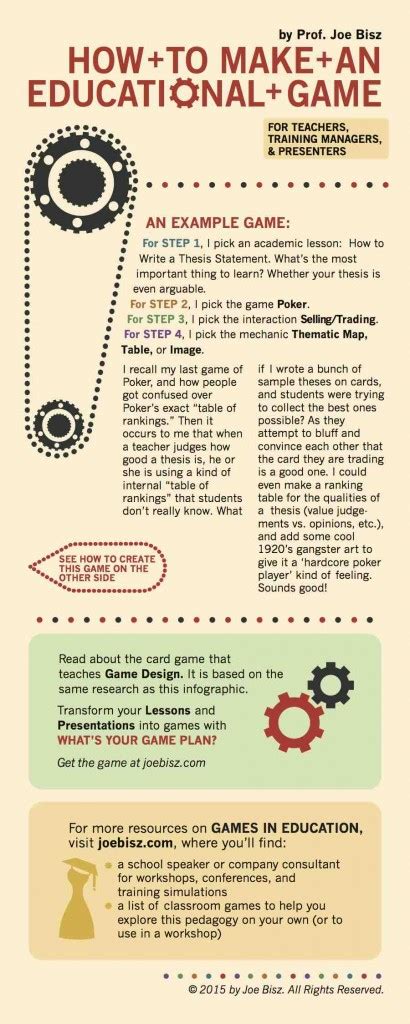
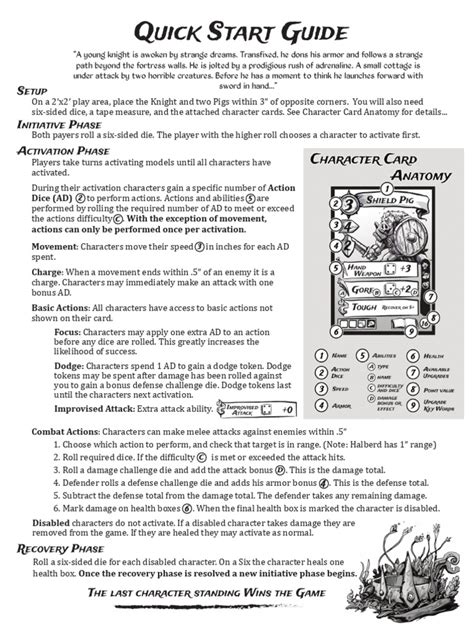
How do you make game how-to guides engaging for total beginners without being overwhelming?
Teaching a new game to someone who’s never touched a controller or understands complex gaming jargon can feel like a mission in itself. The goal is to onboard them smoothly, making the experience enjoyable rather than frustrating. How do you craft a guide that not only teaches but also inspires, without burying them under a mountain of information?
Know Your Audience: The Absolute Beginner
Before you type a single word, put yourself in the shoes of someone completely new. They might not know what an ‘HUD’ is, how to ‘strafe,’ or even the difference between an analog stick and a D-pad. Avoid assumptions. Your guide needs to be foundational, explaining concepts that seasoned gamers take for granted.
Start with the “Why,” Then the “How”
Instead of immediately listing controls, explain the purpose of an action. Why do you need to move? To navigate the world. Why do you need to attack? To defeat enemies. Understanding the objective first provides context for the mechanics, making them easier to grasp and remember. Frame early successes as immediate rewards.
Break It Down: Micro-Learning Modules
The biggest trap is trying to explain everything at once. Segment your guide into small, digestible chunks. Each section should focus on one core concept or mechanic. For instance, start with movement, then camera control, then basic interaction, and so on. Think of it as a series of mini-lessons, each building upon the last.
Step-by-Step Clarity
- Focus on one action: “How to Move Your Character.”
- Simple language: Use short sentences and avoid jargon.
- Immediate practice: Encourage them to try the explained action right away.
Embrace Visuals: Show, Don’t Just Tell
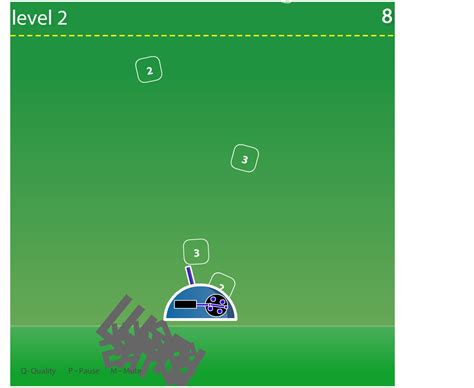
For beginners, seeing is often much more effective than reading. Use screenshots, GIFs, or short video clips extensively. Show exactly where to click, which button to press, or what a successful outcome looks like. Highlight key elements on screen. Visual aids reduce cognitive load and clarify instructions that might be ambiguous in text alone.

Use Analogies and Real-World Examples
To demystify complex game mechanics, relate them to familiar real-world concepts. Is a resource management system similar to budgeting your money? Is dodging an enemy attack like sidestepping an obstacle? These analogies bridge the gap between abstract game logic and understandable scenarios, making learning more intuitive.
Foster a Sense of Discovery and Play
A guide shouldn’t feel like a lecture. Infuse it with an encouraging and playful tone. Frame challenges as opportunities for discovery. Encourage experimentation within a safe environment (e.g., a tutorial level). Let them know it’s okay to make mistakes and that learning is part of the fun. Celebrate small victories.

Keep it Concise and Action-Oriented
While thoroughness is important, verbosity is the enemy of engagement for beginners. Get straight to the point. Use bullet points and numbered lists for steps. Emphasize what the player needs to *do* rather than just what they need to *know*. A well-structured guide feels like a helpful companion, not a textbook.
Offer Optional Deep Dives
Some beginners might want to understand the “why” behind every “how.” Offer optional sections or links to more detailed explanations for those who are curious, but don’t force it on everyone. This allows advanced learners to dig deeper without overwhelming those who just want to get playing.
Test and Refine: Get Beginner Feedback
The best way to ensure your guide isn’t overwhelming is to test it with actual beginners. Watch them interact with the game using your guide. Where do they stumble? What questions do they ask? Their feedback is invaluable for identifying areas where clarity can be improved or where too much information is presented at once.
Conclusion: Empowering the New Player
Crafting engaging game how-to guides for total beginners is an art. It requires empathy, a clear structure, strong visuals, and a commitment to simplifying the complex. By breaking down information into bite-sized chunks, focusing on practical application, and maintaining an encouraging tone, you can transform potential frustration into genuine enjoyment, empowering new players to confidently step into the vast and exciting world of gaming.