How do you make game beginner guides immediately useful for players overwhelmed by initial steps?

New players often face a steep learning curve when diving into a new game. The initial rush of excitement can quickly turn into frustration if they’re bombarded with too much information, too many mechanics, or an overwhelming array of choices. A truly effective beginner guide doesn’t just explain; it empowers players to take immediate, useful action, transforming confusion into confidence right from the start.
Prioritize Immediate Actionability and Core Mechanics
The cardinal sin of many beginner guides is front-loading information that isn’t immediately relevant. Players are looking for “how to play now,” not “how to master in 100 hours.” Focus on the absolute minimum required to perform the first few actions in the game. What are the controls? How do they move, interact, or attack? Strip away anything that can wait.

Break down the initial experience into a series of small, achievable goals. Instead of a long list of all features, guide them through their very first quest, combat encounter, or crafting recipe. Each step should build upon the last, providing a clear path forward rather than a daunting open world of possibilities.
Break Down Steps into Micro-Tasks
Think of the guide as a checklist of micro-achievements. Each paragraph or bullet point should explain one concept or action clearly, then immediately show how to execute it. If a concept involves multiple steps, list them explicitly. For example, instead of “build a house,” break it into: “1. Gather Wood. 2. Open Crafting Menu. 3. Select House Blueprint. 4. Place Foundation.”

This granular approach prevents players from getting stuck on a single complex step. When they complete a micro-task, they experience a small win, which encourages them to continue. This also makes the guide easily scannable for players who might forget a specific detail later.
Leverage Visuals and Interactive Elements
A picture is worth a thousand words, especially in game guides. Screenshots, GIFs, or short video clips demonstrating specific actions are far more effective than text descriptions alone. Show the exact menu they need to navigate, the enemy they need to target, or the item they need to pick up. Highlight key UI elements.

If possible, incorporate interactive elements within the guide itself, like clickable definitions for game-specific jargon or a simulated mini-tutorial. The more a player can see and do while learning, the better they will retain the information.
Contextualize Information Immediately
Don’t just explain “what” something is; explain “why” it matters right now. If you’re introducing inventory management, explain how it helps them survive their current objective. If you’re discussing character stats, connect them to an immediate benefit in the game world.
This contextual relevance makes the information stick. Players are more likely to remember something if they understand its immediate impact on their gameplay experience. Avoid theoretical explanations and focus on practical application.

Offer “Quick Start” Paths and FAQs
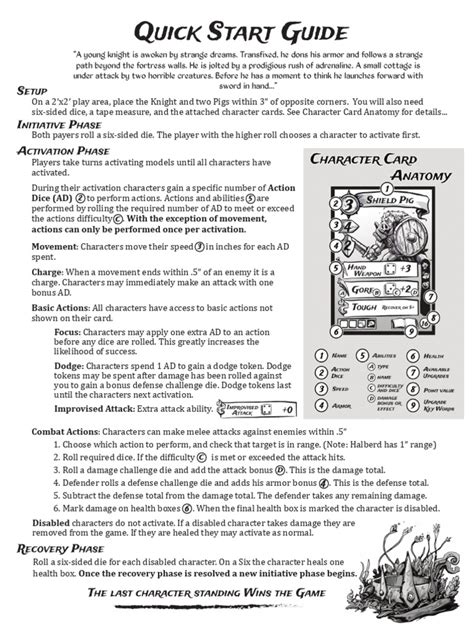
Some players want to dive in immediately, learning by doing, while others prefer to read everything first. Cater to both by offering a “Quick Start” guide that covers only the bare essentials, alongside a more comprehensive guide for those who want detail. This choice empowers players to learn at their own pace.
Additionally, anticipate the most common questions and pitfalls new players encounter. A “Frequently Asked Questions” section or a troubleshooting guide for common initial issues can save players a lot of frustration. Address questions like “Where do I go next?” or “Why can’t I use this item?”

Conclusion
Making a game beginner guide immediately useful means putting the player’s initial experience at its core. By prioritizing actionable, contextual information, breaking down complex tasks, and utilizing strong visuals, developers and guide creators can transform potential overwhelm into an engaging and empowering first impression. A great beginner guide isn’t just about teaching the game; it’s about fostering a positive relationship between the player and the game from the very first click.