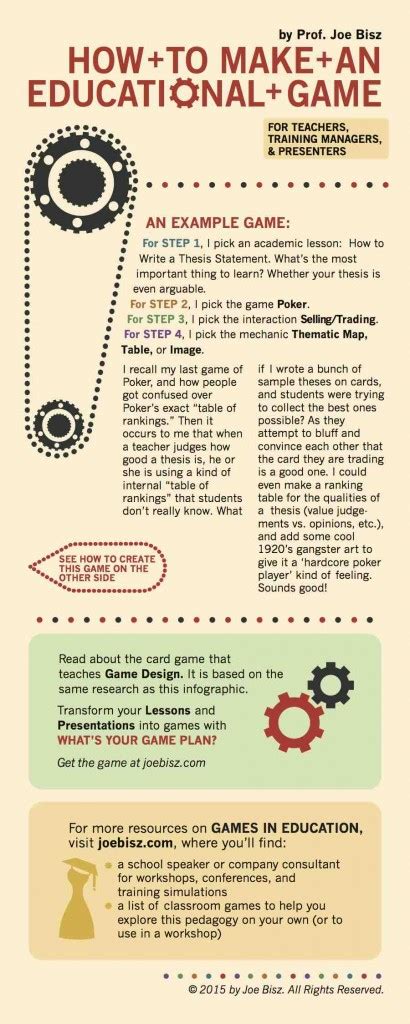
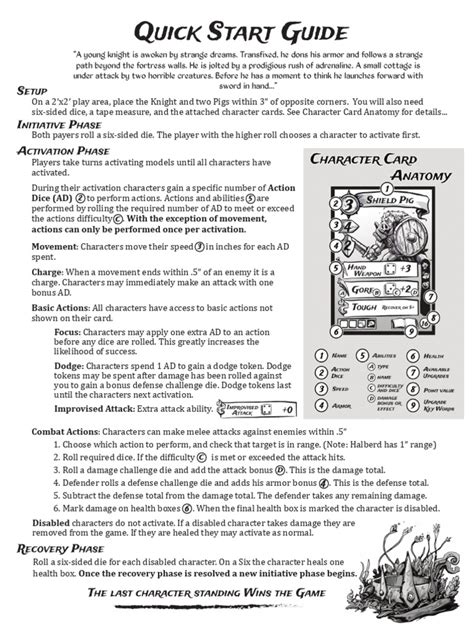
How do you make complex game how-tos simple for new players?

The Challenge of Complexity: Guiding New Players
Modern video games, especially those in genres like grand strategy, RPGs, or simulations, often come with intricate mechanics, deep lore, and numerous systems that can overwhelm new players. A poorly designed tutorial or an obtuse how-to guide can quickly lead to frustration and abandonment. The key to retaining new players and fostering a vibrant community lies in making that initial learning curve as smooth and enjoyable as possible.
Effective game how-tos don’t just explain; they guide, demonstrate, and empower. They transform potential frustration into discovery, slowly revealing the depth of a game without swamping the player in information overload.
![DOWNLOAD VLC MEDIA PLAYER LATEST VERSION 2022 [Windows & Mac] » Edu ...](/images/aHR0cHM6Ly90czMubW0uYmluZy5uZXQvdGg/aWQ9T0lQLjFjemlHbDBVNXF5VlNkenJ1UTFjU0FIYUVvJnBpZD0xNS4x.webp)
Core Strategies for Simplifying Game How-Tos
1. Progressive Disclosure: Introduce Concepts Incrementally
Instead of dumping all information at once, introduce mechanics and features as they become relevant. Start with the absolute basics (movement, primary interaction) and gradually layer in more advanced systems (resource management, combat tactics, crafting). This approach allows players to build a foundational understanding before tackling more complex interactions.
- Phased Tutorials: Break the tutorial into several distinct modules or chapters, unlocked as the player progresses.
- Contextual Hints: Provide pop-ups or tooltips only when the player first encounters a new UI element or mechanic.
2. Visual Aids and Interactive Demonstrations
Show, don’t just tell. Visuals are far more effective than walls of text for explaining spatial relationships, button prompts, or complex sequences. Interactive elements allow players to practice what they’ve learned immediately.
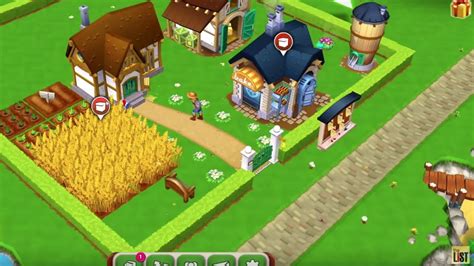
- Highlighted UI Elements: Use flashing or glowing indicators to draw attention to relevant buttons or parts of the screen.
- Short Video Clips or GIFs: Embed brief, looping animations directly within the tutorial to demonstrate actions.
- “Try It Now” Segments: After explaining a mechanic, provide an immediate opportunity for the player to perform the action themselves in a controlled environment.
3. Clear, Concise, and Jargon-Free Language
Avoid technical game development terms or overly complex sentence structures. Use straightforward language that a complete novice can understand. If game-specific jargon is unavoidable, define it clearly the first time it’s introduced.
- Bullet Points and Short Paragraphs: Break down information into easily digestible chunks.
- Consistent Terminology: Use the same terms for the same concepts throughout the game and its documentation.
4. Offer Practice and Reinforcement
Learning truly sticks when players can actively apply what they’ve been taught. Provide low-stakes environments or mini-challenges that allow players to experiment with new mechanics without fear of failure.
- Sandbox Areas: Dedicated zones where players can freely experiment with abilities or build structures.
- Optional Challenges: Side quests or objectives designed to reinforce recently learned skills.
5. Layered Information and On-Demand Help
Not all players learn at the same pace or need the same level of detail. Provide a core explanation, but also offer deeper dives for those who seek them, and easily accessible help for those who get stuck.
- Tooltips with “More Info” Links: A brief tooltip with an option to open a more detailed entry in a codex or help menu.
- Searchable In-Game Wiki/Codex: A comprehensive database of game mechanics, items, and lore that players can access at any time.
- Contextual Help Button: A dedicated key or UI element that, when pressed, provides information relevant to the current screen or situation.

Beyond the First Hour: Ongoing Support
Simplifying how-tos isn’t a one-time task for the initial tutorial. It’s an ongoing commitment to player understanding. As games evolve with updates and expansions, so too should their instructional support. Regularly review and update guides, ensuring they remain accurate and easy to follow. Engaging with player feedback is also vital, as it highlights common points of confusion and areas where further simplification is needed.

Conclusion
Making complex game how-tos simple for new players is an art form that balances depth with accessibility. By embracing progressive disclosure, visual learning, clear language, ample practice opportunities, and layered information, developers can transform daunting learning curves into engaging journeys of discovery. A well-crafted beginner experience not only retains players but also empowers them to fully appreciate the intricate worlds and systems they are about to explore.